

NAC (n-acetyl-cysteine)
-

N-Acetylcysteine (NAC) is a precursor to glutathione synthesis and also acts on its own to reduce the effects of reactive oxygen species. NFH NAC SAP has mycolytic properties and decreases viscosity of lung secretions. NAC has been shown by studies to have a protective effect on the liver and has been used to manage acetaminophen overdose, due to its ability to enhance hepatic and mitochondrial...
+ Earn 105 Reward PointsOur Price: $35.80In Stock -
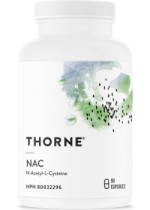
PROMOTE NORMAL LIVER DETOXIFICATION NAC from Thorne Research contains 500mg of N-acetylcysteine for liver support, detoxification and immune support. The N-acetylcysteine (NAC) found in NAC, is a sulfur-containing amino acid, it is the precursor of the amino acids L-cysteine and glutathione, antioxidants produced in the body.
+ Earn 108 Reward PointsOur Price: $36.25In Stock -
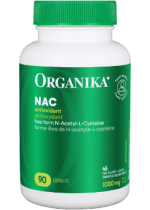
500MG ACTIVE CYSTEINE IN THE SUPERIOR "N-ACETYL" FORM. The ideal antioxidant supplement for the modern age! Derived from a natural process of fermentation, Organika's active NAC can help provide optimum antioxidant protection from free radicals caused by enviromental pollution, cigarette smoke and alcohol. Practitioners often recommend it for patients with mercury or heavy metal toxicity (from...
+ Earn 69 Reward PointsSale: $23.99
Reg.: $29.49 (Save $5.50)
In Stock
NAC Supplement
N-Acetylcysteine (NAC) is a naturally occurring antioxidant found in allium vegetables, such as garlic, onion, leeks, chives, and scallions. NAC and NAC supplements are also a precursor to the amino acid L-cysteine, and consequently, to glutathione, the body’s master antioxidant. Because NAC naturally replenishes glutathione inside the body, it can be especially important during the aging process since glutathione production slowly decreases as we age, putting us at increased risk of oxidative damage, and the diseases associated with oxidative stress. Seniors especially benefit from a boost of their glutathione levels.
Beyond stimulating the body’s production of antioxidants and helping to prevent free radical damage, NAC also supports and stimulates our inherent detoxification processes, and streamlines glucose metabolism, which increases insulin sensitivity, and helps improve conditions such as metabolic syndrome, central obesity, prediabetes, and type 2 diabetes. Because NAC has both antioxidant and anti-inflammatory properties, it is great to support healthy cell turnover and overall health.
Finally, it’s worth noting that NAC plays a critical role in regulating neurotransmitters insider the brain such as dopamine and glutamate, so supplementation is of considerable advantage to treating addiction, as well as support a balanced mood.
Benefits of NAC Supplements
- Antioxidant & Anti-Inflammatory
- Enhances Detoxification
- Stimulates Glutathione Formation
- Supports Optimal Lung Health
Who Benefits From NAC Supplements?
Practitioners often have recourse to NAC in their practice to help increase antioxidant levels, most notably, glutathione levels; to treat acetaminophen overdose, to support and protect bronchial tissues and overall lung health, especially to break up mucus in people with lung diseases, and bronchitis; to protect the liver; to prevent physical and neurologic damage caused by some prescription medications; as well as to address conditions such as hyperglycemia-induced oxidative damage, traumatic brain injury, as well as in psychiatric conditions as a standalone, or in combination with other supplements.
NAC Supplements
Potencies
NAC supplements are typically sold in potencies of 500 to 1,000 mg, and the recommended daily dose is usually in the 600-1800mg range, although higher doses may be recommended according to health status.
Formats
NAC can be found as a supplement in capsules, tablets, sprays, liquids, or powders. Practitioners can also administer NAC via IV.
Final Thoughts
NAC, like other single amino acid supplements, is best taken on an empty stomach.
While NAC is a supplement that is recommended to protect the liver and kidneys, very high doses may overtax these organs, so it’s important to always follow label instructions. Higher doses around 1,000 to 3,000 mg range may cause mild gastrointestinal symptoms.
Back to Top ↑








