

Co - Q Plus 100mg - 60 Softgels - Aor

We're sorry, we no longer carry this item.
Check These out
Suggested, Similar, & Related Products:
Sale: $69.97
Reg.: $89.99 (Save $20.02)
(Click Add to Select Bonus)
Sale: $39.99
Reg.: $59.99 (Save $20.00)
Sale: $68.97
Reg.: $79.99 (Save $11.02)

Sale: $19.99
Reg.: $29.99 (Save $10.00)
Sale: $37.97
Reg.: $44.99 (Save $7.02)

Sale: $44.99
Reg.: $52.99 (Save $8.00)

Sale: $39.47
Reg.: $69.99 (Save $30.52)
(Click Add to Select Bonus)
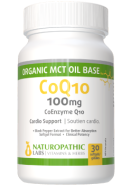
Sale: $9.99
Reg.: $14.99 (Save $5.00)

Sale: $55.95
Reg.: $65.49 (Save $9.54)
Or, Shop our Latest Deals:
Shop Now >- 100mg
- Co Enzyme Q10 (ubiquinone 10)
CautionsCoQ10 may decrease the effectiveness of warfarin; consult a health practitioner prior to taking this supplement if you are on warfarin. Best to avoid if pregnant or nursing.
 Softgels
60 Softgels
Take one to three capsules daily with food, or as directed by a qualified health care practitioner.
- Heart conditions.
- Periodontal disease.
- Immune disorders.
- Blood sugar control.
Innovative Formulas by AOR Canada found at National Nutrition
AOR Canada is the innovative formulators of Canada’s best-selling antioxidant support, AOR Advanced B Complex and AOR Tri-B12. They are also known for their top bone health supplements, Ortho Adapt and Bone Basics. You can also SHOP AOR's Nattokinase, and trusted Curcumin Ultra, Curcumin Active and Curcumin95 inflammation support at National Nutrition.ca. AOR are leaders in natural health with innovative product development. Read more >- Reviews
- POST A NEW REVIEW
Co enzyme Q10 has a quinone like group (hence the Q) with 10 isoprenoid units as the side chain (hence the 10). Quinones are molecules that serve as electron receptors in essential biological functions such as photosynthesis and respiration. Co Q10's quinone ring is synthesized from the amino acid tyrosine whilst the isoprenoid side chains are formed from acetyl CoA (of which pantethine is also a raw material). Co Q10 is very similar in structure to Vitamin K and Vitamin E, although its role is quite different.
Co Q10 is a fat soluble, crystalline compound with a Molecular weight of 338.44 Daltons. Co Q10 functions as a co enzyme in the energy producing metabolic pathways of every cell of the body with a powerful antioxidant activity.
Biological functions
The fact that Co Q10 is able to accept electrons in such a ubiquitous manner means that that it can serve several key biological functions pertinent to human health. These include:
The Generation of ATP
Co Q10 is critical in generating the synthesis of ATP (or adenosine triphosphate, the energy "currency" of all cells). This process takes place in the mitochondria and involves an intricate and complex cascade of enzymatic reactions called the "electron transfer chain". Indeed, Co Q10 is most notably found in the inner membrane of the mitochondrion.
Acts as a Redox agent
Co Q10 keeps other antioxidants (e.g. vitamins E and C) in their reduced active states. For example, as vitamins C and E perform their functions as antioxidants, they themselves become oxidized. Since these vitamins are active in their reduced forms, Co Q10 recharges them (reduces them) to their active states by accepting electrons.
Antioxidant activity
Biological oxidation is a ubiquitous event that occurs continually in the body, causing havoc and numerous pathological conditions. Oxidation results from the breakdown of oxygen molecules as they combine with other molecules in the body. Such oxidation can be the result of the body's normal metabolism of the foods we eat, or it can occur in the body as a result of external forces such as exercise, radiation, pollution, alcohol or heavy metal intoxication, infections etc. The resulting free radicals are highly reactive molecules, which interfere with enzymatic reactions and cause disruption of cell membranes and even DNA. Co Q10 has a strong ability to give up electrons quickly and thus acts as a powerful antioxidant against free radicals, and affords protection against LDL oxidation, which is a pivotal step in the cause of atherosclerosis. Co Q10 also stabilizes cell membranes and platelets.
The use of Co Q10 as adjunctive therapy in the treatment of heart failure goes back decades. In fact, Co Q10 has been approved as a drug in Japan for the treatment of congestive heart failure since 1974, with a number of other nations following suite. Placebo controlled studies to date with Co Q10 (including one study conducted in Italy which included 2,664 patients with congestive heart failure) have produced what scientists call 'significantly positive results'. These results include diminished levels of fatigue, chest pain, dyspnea and palpitations. Treatment with Co Q10 was even able to restore normal heart size and function in some patients primarily those whose onset of congestive heart failure was relatively recent.
There have also been many studies examining the effect of Co Q10 as an addition to standard medical treatments, particularly those pertaining to hypertension and other manifestations of cardiovascular disease. When Co Q10 was added as a concurrent treatment alongside the standard drug therapies for these conditions, the result was a significant reduction in the required use of the aforementioned drug therapies in order to alleviate the conditions in question.
Energy and Exercise
CoQ10's antioxidant and membrane stabilizing abilities have been shown to protect skeletal muscle cells from injury. A recent study found that young men training in the intense Japanese sport Kendo had lower serum activity of creatine kinase and lower serum myoglobin concentrations when they were given CoQ10 supplements. These two markers are associated with skeletal muscle damage, indicating that CoQ10 reduces exercise induced muscular injury.
Another recent study tested the effects of CoQ10 on exercise induced fatigue. In this double blind, randomized, placebo controlled, three crossover design, 17 healthy subjects were given 300 mg CoQ10 for a week before performing a workload trial on a bicycle ergomerter to induce fatigue. To test their physical performance, they performed non workload trials at maximum velocity for 10 seconds at 30 minutes and 210 minutes of the fatigue inducing trial. The study found that the decrease in physical performance due to physical fatigue was inhibited in the CoQ10 group compared to the placebo. Also, CoQ10 alleviated the sensation of fatigue compared to the placebo group.
Ensuring Absorption
A critical point to remember is that Co Q10 is fat soluble, and that absorption of Co Q10 has always been a challenge. In fact, well over 60% of orally consumed Co Q10 is excreted in bowel movements and its absorption is not only variable but also dependent on food intake, particularly the lipids present in the food. Absorption is lower when Co Q10 is consumed on an empty stomach and higher when taken with food that is comprised of high lipid content. In order to overcome this potentially serious impediment to absorption, AORTM has introduced Co Q PLUSTM. Co Q PLUSTM provides a potent 100mg of Coenzyme Q 10 (ubiquinone) in a softgel comprised of a superior lipid based delivery system to ensure maximum absorption.
Complications
None reported. Shown to be useful with Beta blockers, psychotropic drugs including phenothiazines and tricyclic antidepressants. A 1994 Lancet study reported 3 cases where Co Q10 reduced the effect of coumadin. No other cases have been reported. It may be wise to monitor the prothrombin when supplementing with Co Q10.
Back to Top ↑








