

Patchouli Oil
What Is Patchouli Oil?
Patchouli essential oil comes from a flowering plant in the Lamiaceae family, most commonly referred to as the mint or dead-nettle family. The perennial herb does well in warm to tropical climates and thrives in hot, humid weather, which explains why it can be found in Southeast Asia, including Sri Lanka, Indonesia, the Malay Peninsula, New Guinea, and the Philippines, as well as parts of North East India. Read more >-

Patchouli (Pogostemon cablin) essential oil has a uniquely rich, earthy aroma and is popular for its many uses and peaceful, calming attributes. The patchouli plant is a tropical member of the Lamiaceae family. Distant relatives include lavender, rosemary, and other herb plants associated with temperate regions. Because Aura Cacia’s Balancing Patchouli Essential Oil has lasting effects, it’s an...
+ Earn 29 Reward PointsOur Price: $29.91In Stock -
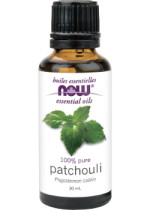
PATCHOULI ESSENTIAL OIL 100% PURE DERIVED FROM THE NON-FLOWER LEAVES. Native to India, Patchouli oil is reminiscent of the 1960's, where it was popular among hippies in time of liberation and free love. The earthy, musky scent of Patchouli oil is positively unique and has been noted as a mild aphrodisiac. A natural anti-inflammatory, antibacterial, and antifungal, this heady oil can be used as...
+ Earn 19 Reward PointsSale: $19.99
Reg.: $29.99 (Save $10.00)
In Stock
What is Patchouli Essential Oil?
Patchouli essential oil comes from a flowering plant in the Lamiaceae family, most commonly referred to as the mint or dead-nettle family. The perennial herb does well in warm to tropical climates and thrives in hot, humid weather, which explains why it can be found in Southeast Asia, including Sri Lanka, Indonesia, the Malay Peninsula, New Guinea, and the Philippines, as well as parts of North East India.
Patchouli essential oil is extracted by steam distillation from the dried leaves and twigs of the plant. Patchouli has been shown to possess neuroprotective, antioxidant, antibacterial, and anti-inflammatory properties. Interestingly, research has demonstrated that patchouli oil can suppress cell growth in senescent zombie cells and promote apoptosis (cell death) in old, faulty, or damaged cells. As such, it can be an excellent addition to your overall healthy aging regimen.
From an aroma perspective, patchouli has a strong, slightly sweet, minty, and intoxicating scent. It is often described as having a dark, musky-earthy aroma reminiscent of wet soil. Patchouli's scent is intense, and a little goes a long way, so if you're just starting out, use it sparingly. It can be used by itself or combined with other base notes such as vetiver, sandalwood, frankincense, myrrh, or cedarwood as a fragrance.
Benefits of Essential Oil
- Digestive & Liver Tonic
- Helps Prevent Infections
- Lifts Moods
- Mild Sedative
- Promotes Hair & Skin Health
- Soothes Inflammation & Pain
Therapeutic Properties of Patchouli Essential Oil
Patchouli oil’s characteristic fragrance makes it ideal for perfumery and incense, and it is commonly added to skin care products because of its ability to help promote optimal skin health. Some common uses for patchouli oil are for treating skin issues, including acne, eczema, and cracked, chapped, dry, or irritated skin. Patchouli oil is also frequently used in anti-aging skin care products thanks to its cell-rejuvenating properties and its demonstrated ability to reduce the appearance of fine lines, wrinkles, and scars. It is also frequently used in sensual or romantic essential oil blends for diffusion or massage and in emotional or spiritual blends. Moreover, because of patchouli’s potent antifungal properties, it can effectively treat athlete's foot and ringworm and be used to down-regulate inflammation throughout the body.
Using Patchouli Essential Oil
Patchouli oil is generally well tolerated and seldom causes irritation or allergic symptoms. It can be used in myriad aromatherapy applications, diluted in a carrier oil and applied to the skin, or a few drops can be added to skin and hair care products. Patchouli can also be used in diffusion or added to water and spritzed to freshen the air and add a little mood fragrance.
It's worth noting that patchouli oil can affect blood clotting, so it should be avoided by those on blood-thinning medication, those who have recently had or will be undergoing surgery, and anyone with a bleeding disorder, such as hemophilia.
Back to Top ↑








