

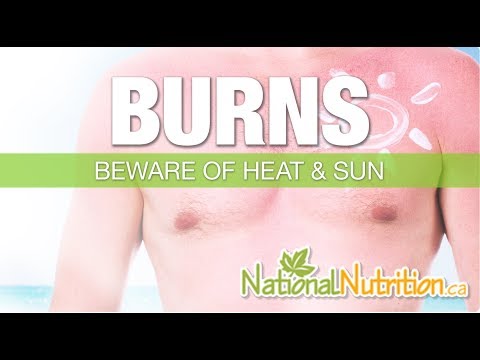
Burns & Sunburn
Updated Jun. 30th, 2026 | Read Time: 3 Minutes | What You Will Learn:
- What Happens To The SKin When It's Burned?
- Immediate Treatment Options For Burns
- Preventing Burns & Sunburns & Long-Term Treatment Regimens
- Nutrients That Support SKin Health & Improve Burn Healing
- Important Information
- Nutritional Information
- Reader Comments (7)
The skin is the largest organ in the body. Burns can severely injure the skin and can require medical attention. First-degree burns make the skin turn red. Second-degree burns form blisters. Third-degree burns look charred and cause damage to both the skin and underlying tissue. Excessive heat, friction, chemicals, electricity and radiation can cause burns. Sunburns are a form of radiation burn. Luckily, with modern first-aid and natural therapies, there are many treatment options for burns.
What Happens To The SKin When It's Burned?
Burns dehydrate the skin and weaken the immune system. Damaged skin loses its protective barrier, increasing infection risk. The immune system also focuses on healing the burn.
How Can I Immediately Treat A Burn?
Seek medical attention for severe burns. Keep the person calm and well hydrated until help arrives. It’s important to prevent the individual from going into shock. For less severe burns, there are topical agents that will ease symptoms and speed recovery. If there is no open wound, apply vitamin E oil to reduce swelling and scarring. Aloe vera gel will work to cool the burn and lessen the pain. One way to prevent infection is to apply diluted calendula tincture.
Do not use greasy substances for first aid. They prevent heat dissipation and may worsen the burn. Once the burn has begun to heal, the goal of treatment is to reduce scarring. vitamin E, rosa mosqueta or calendula cream can help.
Preventing Long-Term Treatment For Burns & Sunburns
Use sunscreens to protect against sunburn. Sunscreens containing physical sun blockers like zinc oxide and titanium dioxide block both UVA and UVB rays. New technology makes the particles so small that they go onto the skin with no white coating. The protective agents need not be absorbed into the skin in order to work; therefore, they are less harmful to the body. You can find these sunscreens at health food stores and through National Nutrition.
Nutrients That Offer Treatment For Skin Health & Improve Burns
A diet high in whole grains, raw fruits and vegetables provides a good source of vitamins, minerals and antioxidants. Drink lots of water to prevent dehydration. Eat yellow fruits and vegetables rich in vitamin A. Consume nutritional yeast for B vitamins to support immune function. Eat potassium-rich foods like bananas, potateos, and tomatoes to help maintain electrolyte balance. Consume ocean-going fish, nuts, seeds and cold-pressed oils for essential fatty acids.
Important Information
The most common complications of a burn are shock, dehydration and infection. The skin plays a large role in fluid regulation.












