

Poison Ivy
Updated Jun. 17th, 2026 | Read Time: 4 Minutes | What You Will Learn:
- What Is Poison Ivy?
- What To Do If You Come In Contact With Poison Ivy
- Poison Ivy Prevention Tips
- Poison Ivy Treatment Options
- Calamine
- Nutritional Information
- Reader Comments (4)
Coming into contact with poison ivy can quickly lead to uncomfortable itching, redness, and skin irritation that may linger for days or weeks. Finding effective ways to soothe the skin and support healing is essential for reducing discomfort and preventing further irritation. Alongside proper skin care and hygiene, many people look for natural approaches to poison ivy treatment to help calm inflammation and promote recovery. In this article, we'll explore practical strategies to help relieve symptoms and support healthy skin.
What Is Poison Ivy?
Poison Ivy, Oak and Sumac are a family of plant found all over North America, most commonly in wooded areas. These plants all produce urushiol, a sap or resin that causes an allergic reaction or contact dermatitis when it comes in contact with skin. This results in severe itching and an often painful rash. Some individuals are more sensitive than others.
15-30 % of the population will have no reaction, while a small percentage of the population can have an anaphylactic episode, following exposure. With repeated exposure, the reaction is often more severe. The typical rash will develop within a few hours to one week following exposure and the rash can last anywhere from one to four weeks. There is no way to distinguish a poison ivy rash from that of poison oak or poison sumac.
What To Do If You Come In Contact With Poison Ivy
Poison ivy, oak, and sumac are not contagious, but can spread very easily if the resin is not removed from the skin. Be sure to thoroughly wash all exposed areas and clothing as soon as possible to prevent spreading to other parts of the body.
Animals can also spread poison ivy, although they do not often have symptoms themselves. If you suspect your pet may have poison ivy, give them a thorough washing (wear gloves) so they do not pass it on to you.
Poison Ivy Prevention Tips
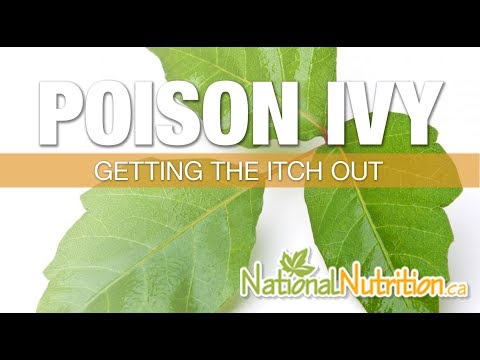
The best prevention is simply to avoid contact, which means you need to know what to look for. These plants commonly grow along the edges of wooded areas. Poison ivy and poison oak fature clusters of three leaflets. Their leaves appear red or reddish-orange in spring and fall. They appear bright green or yellow-green during summer. Each leaflet cluster grows on its own stem. That stem connects to the main vine. Posion sumac typically produces five, seven, or more leaflets. Some plants may appear hairy on their stems or leaflets. None of these plants produce thorns.
There is a small amount of research suggesting that quercetin and high dose vitamin C (3000-8000mg/day in divided doses. 1000 mg at a time) during the spring months, when poison ivy is at its most irritating (when it is full of sap) can help to prevent a reaction, or minimize a reaction in those who are most sensitive. Vitamin C is a natural anti-histamine and helps to reduce swelling, so it is also useful in these doses as a treatment. Bentoquatam (Ivy block) is a bentonate-based topical medication intended to act as a shield against exposure to urushiol, the oil found in plants such as poison ivy or poison oak. Contact your pharmacist to see if this product is available in your area.
Poison Ivy Treatment Options
You can take black walnut internally or apply it directly to rashes and blisters. Black walnut works best for acute treatment of lingering infections. It helps fight infection and limit spreading. You can also take goldenseal internally or apply it topically. Goldenseal works especially well when swelling or inflammation occurs. Aloe Vera and Witch Hazel are also good topically for relieving the itch and healing the skin once the infection is on its way out. Rhus Toxidendron is the stand-by homeopathic for the treatment poison ivy. It has been shown to relieve itching and promotes faster healing.
Calamine
Calamine lotion, a combination of zinc oxide and iron oxide, is widely used as an anti-pyretic (anti-itch) remedy for the treatment of poison ivy, chicken pox, stings, and more. Unfortunately, there is little to no research supporting its safety or effectiveness for these uses.
Nutritional Information
| poison ivy - quick facts |
|
|---|---|
| black walnut | take as directed. apply topically as needed used to treat infection and skin wounds. high in tannins, to diminish pain and swelling. |
| goldenseal | oral: 500-1000 mg/day. apply topically as needed antimicrobial and anti inflammatory. astringent and antiseptic. |
| quercetin with vitamin c | quercetin 300-1500 mg/day with 1000-5000 vitamin c daily in divided doses. natural anti-histamines, balancing immune reaction. |
| aloe vera | apply topically as needed. protects tissue from infection, possesses anti-inflammatory properties, soothes and helps to heal skin. |
| rhus toxidendron | 200ch or 30 ch, consult homeopathic doctor for individual dose recommendations. traditional homeopathic for the treatment of poison ivy/oak/sumac. |













Even though your rash can go away on its own in 1 to 3 weeks, your skin will feel better if you take some steps at home.
To help with oozing problems, try over-the-counter creams or lotions that you put on the rash.
Hello Paul,
Poison Ivy isn't a nice plant to cross. Nature's Aid is a great topical gel that supports many concerns, including poison ivy rash.
https://www.nationalnutrition.ca/nature-s-aid-skin-gel-125ml.html
Stay well!
I never knew that there was indeed an herbal toolkit (namely, as you list, black walnut, goldenseal, quercitin plus vitamin C, aloe vera, rhus toxidendron, and, pending more evidence, Calamine) for poison ivy treatment. I don't think that I have ever had a poison ivy rash but this is just because my parents did a good job teaching me how to recognize it. I will have to share this information with my Mother and Father as while they know how to recognize poison ivy, they are a bit adventerous and have indeed experienced poison ivy rashes before (which I gather are rather awful!). I wounder if they have heard of any of these natural remedies? Thank you for another great article, NN!
Hello Rachel,
Thank you for sharing your favourite take aways from this article on poison ivy remedies and that you can share it with your friends and family just in case they have a run in with it. If you'd like to learn more about the herbs mentioned in this article, check them out here: https://www.nationalnutrition.ca/articles/supplements/goldenseal/