

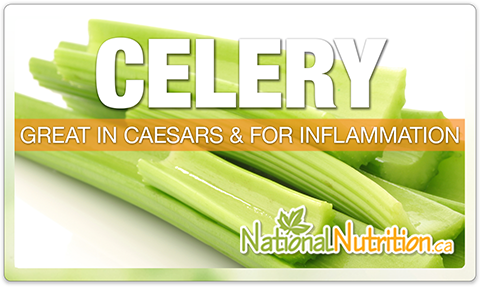
Celery is known to reduce inflammation, gout & more!
Celery: A Natural Immune Booster
Updated Apr. 24th, 2024 | Read Time: 1 Minute | What You Will Learn:
- Medicinal Benefits of Celery Supplements
- Types of Celery Supplements
- Cautions & Potential Side Effects
- Nutritional Information
- Reader Comments (4)
The use of celery supplements as medicine dates back centuries. Hippocrates believed it calmed the nerves, and as far back as 30 AD, they were using celery to relieve pain. Today, celery seeds are often labelled as a blood purifier, helping to support kidney and bladder function, and subsequently the elimination of toxins through urine.
Medicinal Benefits of Celery Supplements
Celery is a mild diuretic often used to decrease uric acid levels in the body to help gout. It is also commonly used to relieve inflammation caused by rheumatoid and osteoarthritis. Celery juice is also well known for its ability to lower blood pressure.
Celery supplements are commonly recommended for weight loss, as it is low in calories, while higher in dietary fibre. It is also a good source of minerals like calcium, sodium, and chlorine. Because of its mineral content, it is often used to reduce acidity and restore electrolytes in the body. There is some research to suggest that celery may be beneficial in psoriasis (with caution), as certain constituents have been shown to increase photosensitivity under UV radiation.
Types of Celery Supplements
While you can eat celery, you would have to eat a lot of celery to reap any therapeutic benefits it offers. You can juice celery to help increase your concentration of nutrients from this vegetable, or you can consume a celery supplement like a tincture, which is pure and potent and offers a therapeutic dose.
Celery seed extract supplements are also available in capsule form and are often included in gout, blood pressure and circulation formulas. There is no proven effective dose for celery extract in adults.
Cautions & Potential Side Effects
Allergies to celery are quite common and can be severe enough to cause an anaphylactic reaction. Cooking does not decrease the allergic potential of this plant, which contains an allergen which closely resembles birch pollen.
Consult your healthcare provider to determine which dosage is right for you. Celery is considered safe in food amounts. Individuals taking celery-based supplements or high celery content in the diet need to use caution if also taking medication to lower blood pressure, including diuretics, as well as blood thinning medication due to possible additive effects. Celery ingestion or contact with essential oils can increase photosensitivity. Subsequent UV radiation exposure has been known to cause phytodermatitis.













A vegetable to always have on hand.
Hello Sharon,
Thank you. Celery makes for a great snack and healthy alternative when you're craving something crunchy. Since it mainly contains water, it will also keep you hydrated, win-win!
Celery would be a great addition to this delicious salad recipe:
https://www.nationalnutrition.ca/articles/healthy-recipes/mediterranean-chickpea-salad/
Enjoy!
I'm sure that the first thing that comes to mind when many people from my generation hear "celery" is "juice cleanse" or "diet food." I don't eat celery because I struggle enough as it is to maintain my weight. I thought that celery was mostly just water and fiber, not much "real" nutrition. But, given the myraid of celery benefits you've introduced me to (I wonder how much celery is needed for an effect?) I may have to give it a try as an ingredient in otherwise hearty meals
Hello Rachel,
Indeed, celery offers many benefits and we're glad you could discover them with us.
Discover more ways to boost your immune system here: https://www.nationalnutrition.ca/articles/health-concerns/immune-system/
Happy reading!