

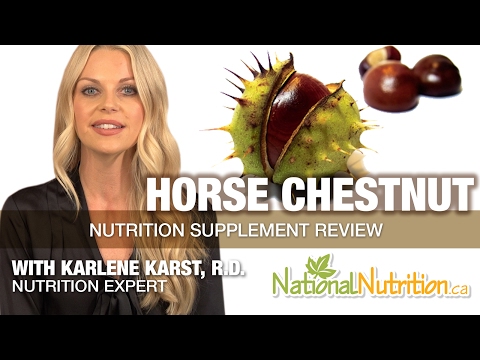
Horse Chestnut: A Natural Remedy For Varicose Veins
Updated Sep. 03rd, 2024 | Read Time: 2 Minutes | What You Will Learn:
- Understanding Chronic Venous Insufficiency
- Other Health Benefits of Horse Chestnut
- Finding Safe Horse Chestnut Supplements
- Potential Side Effects
- Nutritional Information
- Post a Comment
The tree (Aesculus hippocastanum) is commonly known as “horse chestnut” because of its large seeds that resemble chestnuts (although they are not related species). Extracts from the seeds have been used to treat chronic venous insufficiency.
Understanding Chronic Venous Insufficiency
This condition is caused by a blockage or valve failure in one or more of the major veins, most commonly in the legs. Since the blood cannot properly return to the heart, it pools in the veins, especially when movement is restricted, as in periods of prolonged standing. Thus, the veins in the legs are constantly filled with blood and can begin to bulge, resulting in a condition known as varicose veins. It can also cause swelling and purple discolouration of the legs, thickened skin on the feet and ankles, and even ulcers of the skin when the stasis is prolonged. This type of venous stasis also causes other venous conditions like hemorrhoids.
Other Health Benefits of Horse Chestnut
In addition to being effective in the treatment of chronic venous insufficiency, this herb has also long been used in the treatment of:
- Diarrhea
- Fever
- Cough
- Enlarged prostate
- Eczema
- Menstrual pain
It is also used in Bach flower remedies, and when the bud is used, it is called “chestnut bud”, whereas when the flowers are used it is called “white chestnut”.
Finding Safe Horse Chestnut Supplements
Young, fresh nuts contain some alkaloid saponins and glucosides, which can be poisonous when eaten. Be sure to only supplement with processed extracts from trusted sources.
Extracts are standardized to the percentage of the active ingredient called aescin that they contain. Optimal aescin content is considered to be 17% or greater for supplementation at the recommended dose of 300mg two times daily. These extracts are generally found in capsule form either alone or in combination with other vitamins and herbs for vein health.
Potential Side Effects
When taken by mouth: Standardized horse chestnut seed extract products are likely safe for most people when used short term. Only use products which have had esculin, a toxic substance, removed. Horse chestnut products can sometimes cause side effects such as dizziness, headache, stomach upset, and itching.
Raw horse chestnut seed, bark, flower, and leaf contain esculin and are unsafe to use. Signs of esculin poisoning include stomach upset, muscle twitching, weakness, vomiting, diarrhea, depression, and paralysis. Seek immediate medical attention if you've accidentally consumed raw horse chestnut.
When applied to the skin: There isn't enough reliable information to know if horse chestnut is safe. Some people are allergic to horse chestnut












