

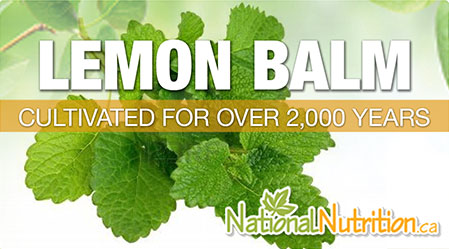
Lemon Balm works to help you deal with stress.
Lemon Balm Benefits & Uses
Updated Aug. 14th, 2024 | Read Time: 2 Minutes | What You Will Learn:
- Key Health Benefits of Lemon Balm
- Lemon Balm Supplement Varieties
- Potential Side Effects & Cautions
- Nutritional Information
- Reader Comments (2)
A perennial bush with serrated heart-shaped leaves which have a mild taste and smell like lemon. Lemon balm, part of the mint family, has been cultivated around the Mediterranean coast for over 2,000 years. Historically, many attributed increased intelligence to individuals who consumed it regularly. Now lemon balm is much more widely known for its health benefits and uses as a sedative, plus its anti-spasmodic and anti-bacterial uses. For some, it is still considered a cure-all.
Key Health Benefits of Lemon Balm
Lemon Balm has always been known for its general effects on the nervous system as a whole commonly used for stress and anxiety, lack of appetite, digestive discomfort, depression and for general strengthening of the memory and mind. Today, there is again a lot of attention on lemon balm in the treatment of Alzheimer's and dementia, showing results of improved mood and mental performance. It is also commonly prescribed for insomnia or difficulty relaxing, as well as for calming spasms of the digestive tract.
Lemon Balm Supplement Varieties
Lemon Balm is frequently paired with valerian root, as a sleep aid and anti-anxiety remedy. There is also strong evidence of lemon balm's efficacy in treating genital or oral herpes, decreasing the duration of sores and length between outbreaks. Although its specific anti-viral actions are poorly understood, it is suspected it interferes with virus receptors on host cells. If you are an outdoor enthusiast looking for natural options, the crushed leaves can also be rubbed over the skin for a natural mosquito repellent.
Lemon balm can be taken in capsule or tincture form and is commonly found in anti-anxiety or sleep-promoting combinations.
Potential Side Effects & Cautions
Lemon balm maintains an excellent safety record. There are no side effects for interactions associated with its use, although it is not to be taken by pregnant or breastfeeding women. Individuals taking benzodiazepines, SSRI or SNRI's may notice some mild drowsiness if combining lemon balm with these medications. Recommended dosages vary anywhere from 100-500 mg/day.












