

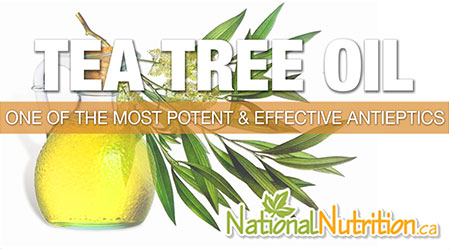
Tea Tree Oil is one of the strongest and most effective natural antiseptics
The Power of Tea Tree
Updated Feb. 23rd, 2026 | Read Time: 3 Minutes | What You Will Learn:
- What is Tea Tree?
- Traditional Uses of Tea Tree
- Modern Benefits & Applications of Tea Tree
- Important Information
- Nutritional Information
- Reader Comments (4)
Tea tree oil, distilled from the leaves of the Australian tea tree (Melaleuca alternifolia), has surged in popularity as a natural remedy. Celebrated for its potent antimicrobial and anti-inflammatory properties, it has become a staple in those who practice aromatherapy or those looking to have a more natural wellness routine.
What is Tea Tree?
This oil is a concentrated essential oil extracted from the leaves of the tea tree, as mentioned above. This tree is a small evergreen native to Australia. It thrives in subtropical climates, especially in northeastern New South Wales. It belongs to the Myrtaceae family and has narrow leaves with a fresh, medicinal aroma. For centuries, Indigenous Australians have utilized the leaves by crushing them to release their aromatic oil. They used this oil to help treat cuts, wounds, and infections. Today, this oil remains a star player in the world of aromatherapy.
Traditional Uses of Tea Tree
Historically, this oil was a trusted remedy among Australian Aboriginal communities. They would use crushed leaves to create poultices, applying them to wounds to prevent infection and accelerate healing. They would also brew the leaves and apply the pulp on a variety of ailments and to repel insects. It was also used in traditional inhalations to clear congestion and soothe respiratory issues.
When samples of Tea Tree were brought to England for study, its anti-fungal, antibacterial and anti-inflammatory effects were confirmed. These early applications paved the way for modern use, and its antimicrobial and antiinflammatory benefits continue to be valued today.
Modern Benefits & Applications of Tea Tree
Today, tea tree oil is widely used for its therapeutic benefits. Here are some practical ways to safely incorporate it into your daily wellness practices:
- Spot Treatment for Acne: Dilute 1 drop of tea tree oil in a teaspoon of carrier oil (like jojoba or tamanu) and apply directly to blemishes.
- Homemade Disinfectant Spray: Mix 10 drops of essential oil with water and white vinegar in a spray bottle to clean surfaces naturally.
- Bath Soak: Add a few drops to a warm bath with epsom salts to relax muscles and soothe skin. Be sure to thoroughly wash tub after to avoid slipping.
- Dandruff Treatment: Add a couple of drops to your shampoo to help reduce flaking and scalp irritation.
- Foot bath: Soak feet for 15 minutes each in a small tub of water mixed with 20-25 drops of Tea Tree oil.
Please note, dilution is crucial when working with essential oils. Never apply it, or any essential oil, directly to the skin without a carrier oil. Always use them in well-ventilated spaces.
Important Information
Despote its many benefite, tea tree oil is potent and must be used with care. Always dilute it before applying to the skin. It is also highly toxic to pets, so never use on them, around them, or on surfaces they come into contact with. If pregnant or breastfeeding, or dealing with medical conditions, consult a healthcare professional before use.
If you experience any adverse reactions, stop use immediately and seek medical attenton.














This is another product that you never want to be without. It is an excellent healer. It is also an essential to add to boiling water, cover your head with a towel and breath in the vapours to relieve sinus and head cold problems. I add it to echanasia, golden seal, and oregano to treat bad cold congestion.
Hello Sharon,
Indeed, tea tree oil is great to have on hand, when diluted and applied topically it has many benefits. Thank you for sharing how you use it, that's an excellent idea when feeling congested. Read more about other popular essential oils here:
https://www.nationalnutrition.ca/articles/supplements/lavender/
Have a healthy day!
Tea tree is amazing! I love the scent and tea tree is especially wonderful for me as a women given the evidence that tea tree could have some estogenic effect (on this note, it would be excellent if in the important information section you included the a warning re abnormal breast growth in young boys and the potential endocrine disrupting effects of tea tree). Anyway, I did not know that tea tree is commonly used to treat acne, cuts, wounds, sore throat, ringworm, athlete’s foot, vaginal infections, hemorrhoids, insect bites and dandruff. I have a new remedy in my tool kit to try now!
Hello Rachel,
Tea tree is a multifaceted essential oil with many medicinal properties and benefits. However it's important to note that it's toxic to pets and should be kept out of their reach. Its antibacterial properties makes it great for fighting acne and its anti inflammatory properties make it great for soothing scalp irritation that can cause dandruff. If you'd like to learn more about this oil's benefits and what other essential oils it pairs well with, check out this video of ours, https://www.youtube.com/watch?v=A73P81MZyPo&list=PLFydSZTC8qlbfjY2KHRR9lCDLZNLDd5k5&index=19&pp=iAQB
Have a healthy day