

A-Z natural digestive support Articles

  • Irish Sea Moss: An Algae Packed With Beneficial Nutrients

    Irish Sea Moss was once only heard of in coastal Ireland, but in recent years, it has made quite a mark in the global natural health industry.

    Irish Sea Moss is a red algae that’s also known as Chondrus Crispus. It’s been used for centuries in ancient medicine due to its ability to soothe the respiratory system, support digestion, and boost immunity. Today, Chondrus crispus is gaining popularity as a plant-based superfood rich in over 90 essential minerals, including iodine, magnesium, and potassium. With a nutrient profile that impressive, it’s no wonder Irish Sea Moss is so popular. Let’s explore more about this ancient algae and the key health advantages it has to offer.

    What Is Irish Sea Moss?

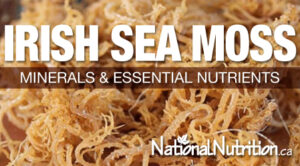
    As mentioned, Irish sea moss is a species of red algae that grows along the rocky Atlantic coasts of Europe and North America, with an affinity for the Irish coastline. It’s often confused with other sea moss varieties like Gracilaria, but what’s distinctive about Chondrus Crispus is its fan-like appearance and dark purple to reddish hues.

    Even more so, Irish sea moss contains 92 of the 102 minerals your body needs, including:

    It is also rich in polysaccharides, especially carrageenan, which gives sea moss its signature gel-like texture. These compounds are believed to have antiviral, antimicrobial, and anti-inflammatory properties, making Irish Sea Moss a powerful addition to wellness products.

    Top 4 Health Benefits of Irish Sea Moss

    This algae is praised for its multi-purpose support from gut health to skin rejuvenation. Here are 4 major health benefits backed by traditional medicine and modern science.

    1. Immune System Support

    Considering its rich vitamin, antioxidant, and mineral composition, it’s no surprise that Irish Sea Moss is a natural immune booster. It contains immune-boosting nutrients like zinc, selenium, and vitamin C, which strengthen immune defence and protect against pathogens.

    Sea moss also contains antiviral and antimicrobial properties, which may help the body fend off infections, reduce inflammation, and promote healing. Beyond that, it possesses the mucilaginous texture of sea moss, which is known to soothe irritated tissues in the lungs and throat, making it a traditional remedy for coughs, sore throats, and respiratory infections.

    2. Gut & Digestive Health

    Irish sea moss acts as a prebiotic, which helps feed the good bacteria in your gut, helping support a healthy microbiome.Its mucilage content, a type of soluble fibre, helps soothe the digestive tract, regulate bowel movements, and promote gut lining integrity. This makes it beneficial for gut health issues like constipation, leaky gut, and irritable bowel disease.

    It can also help detoxify the digestive tract due to the carrageenans found in it. These carrageenans help bind to and remove toxins, further enhancing your gut health.

    3. Skin Health & Beauty Benefits

    Irish sea moss is quickly becoming a favourite in natural skincare, both as a topical treatment and a supplement. Its high sulfur content provides antimicrobial and anti-inflammatory properties, which can help combat acne, calm redness, and improve overall skin clarity.

    When taken internally, the minerals it possesses, like zinc and vitamin A, help support collagen production and skin cell turnover. This can help smooth skin texture, improve skin hydration, and enhance your skin's natural glow.

    Much like aloe vera, topical applications of Irish sea moss gel are beneficial to soothe eczema, psoriasis and dry patches thanks to its cooling, moisturizing qualities.

    4. Thyroid Function & Hormonal Balance

    Sea moss is one of the richest plant sources of iodine, a mineral essential for healthy thyroid function. The thyroid gland regulates hormones that control metabolism, energy levels, temperature, and mood.

    An iodine deficiency can lead to conditions like hypothyroidism, causing symptoms such as fatigue, weight gain, and brain fog. By providing natural, bioavailable iodine, Irish sea moss helps support optimal thyroid hormone production and hormonal balance.

    Because of its impact on hormones, sea moss is also popular among those managing PMS, fertility issues, or adrenal fatigue.

    How To Use Irish Sea Moss Supplements

    There are several ways to incorporate Irish Sea Moss into your daily routine, given the many formats it’s available in. You can purchase it in gel, powder, capsule, and dried formats, giving you the flexibility based on your personal preference.Here’s how you can use each format:

    • Gel – this is the most popular and traditional form. It’s made by soaking and blending raw dried sea moss, and it can be used by adding to smoothies, teas, soups, or consumed by the spoonful. It has a mild taste and can last up to 3 weeks in the fridge.

    Dosing: 1-2 tablespoons daily

    Pro Tip: mix with lemon, ginger, or cinnamon for added flavour and health benefits.

    Capsules – if you prefer the convenience or don’t like the texture of gel, capsules are also available. Irish sea moss capsules are often blended with bladderwrack or burdock root, two herbs that work synergistically with sea moss for detoxification and thyroid support.

    Dosing: typical doses range from 500-1000mg/day, but it’s best to follow brand recommendations on the label or those given by your healthcare provider.

    • Powder – powdered formats can be mixed into baked goods, energy bites, or shakes. It’s shelf-stable and a great choice for travel or DIY skincare masks.
    • Raw Dried Sea Moss – for purists who want full control, dried formats can be soaked, rinsed and blended into gel for an at-home DIY. Make sure to purchase wildcrafted, sustainably harvested varieties to avoid contaminants.

    Where To Buy Irish Sea Moss in Canada

    You can find Irish Sea Moss right here at National Nutrition. We offer the most trusted brands in natural health at competitive prices. When you shop with us, you will also receive friendly service from our team of expert consultants, bonus deals and items on qualifying products, and reliable shipping that’s free on Canadian orders over $79. We even work hard to offer same-day fulfilment on qualifying orders.

    Potential Side Effects

    While Irish sea moss is generally well-tolerated in moderate amounts, there are a few potential side effects and precautions to be aware of:

    1. Excess Iodine Intake: Too much iodine may overstimulate the thyroid, potentially causing hyperthyroidism or thyroid inflammation. Sticking to the recommended doses can help avoid this issue.

    2. Heavy Metal Contamination: Sea moss grows in the ocean and can absorb heavy metals like mercury or lead. Always purchase these products from reputable brands that offer third-party testing for purity and safety.

    3. Digestive Upset: Because of its mucilage content, consuming too much sea moss may cause loose stools, bloating, or gas, especially when first introduced.

    4. Allergic Reactions: Though rare, people with sensitivities to seaweed or shellfish should avoid these products.

    Pregnant or breastfeeding women, or those with thyroid disorders, should consult a physician before taking these supplements.


  • Top 5 Ways To Support Your Microbiome

    When your gut is healthy, you feel better because you experience less bloating, inflammation, better digestion, and more. Gut health is the foundation of overall wellness because it affects everything from digestion to skin health. More importantly, to have a healthy gut, you need a healthy gut microbiome (the trillions of bacteria and microbes that keep your body balanced). Let’s explore the top 5 ways you can support your gut microbiome.

    What Is Your Microbiome?

    Your microbiome is home to trillions of microorganisms, including bacteria, fungi, and viruses. These microorganisms primarily live in your gut, but can also be found on your skin and throughout your body. They play a critical role in maintaining overall health, supporting digestion and nutrient absorption, regulating your immune system, and even having an influence on your mood and brain function.

    A diverse and balanced microbiome helps protect against inflammation, chronic disease, and infections, while an imbalanced one (dysbiosis) can lead to issues like bloating, fatigue, weakened immunity, and mood changes.

    What Are Signs of An Unhealthy Gut?

    An unhealthy microbiome, also known as gut dysbiosis, can sabotage your well-being with a range of uncomfortable symptoms.

    Common signs of an imbalanced gut include:

    However, symptoms don’t stop with your digestive tract; an unhealthy microbiome can also present itself as:

    • Chronic Fatigue
    • Brain Fog
    • Poor Sleep
    • Mood Swings
    • Anxiety
    • Skin Issues (acne, eczema, etc.)
    • Weakened Immune System

    You may also notice random sugar cravings, unexplained weight gain or difficulty losing weight, and/or food sensitivities.

    These symptoms are your body’s way of signalling that your gut bacteria are out of balance, but thankfully, there are many ways to return your gut to homeostasis.

    5 Ways To Support Your Microbiome

    Supporting your microbiome is one of the most effective ways to boost digestion, immunity, mental clarity, and overall vitality. While diet and lifestyle are essential, the right gut health supplements can help fill any nutritional gaps and rebalance your gut flora, especially when stress, a poor diet, or antibiotics have disrupted your microbiome. Let’s explore the top 5 ways to support your microbiome naturally.

    1. Diet & Lifestyle

    Your daily choices are the foundation of a healthy gut. A microbiome-friendly diet focuses on whole, plant-based foods rich in fibre, antioxidants, and healthy fats. You can achieve this by consuming plenty of vegetables, fruits, nuts and fish containing healthy fats; however, due to nutrient depletion in the soil, you don’t always absorb an adequate amount of nutrients from food alone. Luckily, there are food supplement concentrations like fibre-rich psyllium husk, omega-3 fatty acids, and L-Glutamine that help repair the gut lining. Greens powders are also beneficial because they’re rich in vitamins and antioxidants, which can help reduce inflammation while providing a daily dose of nutrition.

    Equally important are lifestyle habits such as getting adequate sleep, staying hydrated, managing stress, and engaging in regular movement. These activities all positively influence your gut health, but when these habits aren’t managed well, they can disrupt the balance of your microbiome, leading to inflammation and digestive discomfort.

    2. Prebiotics For Microbiome Support

    Prebiotics are essential for feeding the good bacteria in your gut. Certain foods like garlic and onions, or fermented foods, are rich in prebiotics, but since these aren’t something you eat an abundance of daily, you may benefit from a prebiotic supplement, including:

    • Inulin
    • FOS (Fructooligosaccharides)
    • GOS (Galactooligosaccharides)
    • Partially Hydrolyzed Guar Gum (PHGG)

    These plant-based fibres nourish beneficial microbes and promote the production of short-chain fatty acids, which support your gut barrier and lower inflammation.

    3. Probiotics For Microbiome Support

    Probiotics are one of the most well-known gut-supporting supplements, and for good reason. They are responsible for replenishing and diversifying the beneficial bacteria in your gut, especially after antibiotics or illness.

    When shopping for probiotic supplements, multi-strain formulas that include a variety of species like Lactobacillus, Bifidobacterium, and Saccharomyces boulardii are well-rounded and most beneficial for everyday use. If you need more targeted results, consider strain-specific blends that are combined with other nutrients or herbs.

    4. Vitamins & Minerals For Gut Health

    You need key micronutrients to function optimally. Vitamin D3 plays a powerful role in immune functioning and maintaining the gut lining, while zinc may help heal leaky gut while supporting mucosal integrity. Magnesium glycinate aids in regular bowel movements and stress reduction, while B-complex vitamins support energy, detoxification and nervous system health, all of which impact the gut-brain axis.

    If your diet is lacking or your gut is compromised, these targeted nutrients can help restore microbial balance.

    5. Digestive Enzymes

    Digestive enzymes are often overlooked, but are essential players in the role of gut health. They break down food efficiently, reducing fermentation, bloating, and feeding the good bacteria. If you experience indigestion, sluggish digestion, or food sensitivities, a broad-spectrum digestive enzyme supplement can help. Look for formulas containing protease, amylase, lipase, lactase, and cellulase to support the full breakdown of proteins, carbs, fats, and fibres.

    Shopping For Gut Microbiome Support Supplements

    When shopping for gut health supplements, make sure to choose products that are from trusted brands, third-party tested, and made with pure ingredients. It’s also important to note that when shopping for probiotics, select a dairy-free blend if you’re lactose intolerant.

    At National Nutrition, we carry a wide range of trusted brands in natural health, and we have a plethora of gut-supporting products. When shopping with us, you’re guaranteed competitive pricing, fast and reliable shipping that’s free on Canadian orders over $79, and same-day fulfillment on qualifying orders.

    Frequently Asked Questions About Gut Health

    1. What Is The Gut Microbiome and Why Is It Important?

    The gut microbiome is the colony of microorganisms that live in your digestive tract. They help with digestion, nutrient absorption, immune regulation, and even mental health through the gut-brain connection. A healthy microbiome is essential for lowering inflammation, supporting metabolism, and protecting against chronic diseases like IBS.

    2. How Can I Naturally Improve My Gut Health?

    As mentioned in this article, plant-based foods that are rich in fibre, fermented foods (kimchi or yogurt), and prebiotics (garlic, onions, asparagus). Lifestyle choices like staying hydrated, reducing stress and adequate sleep can also have a positive impact on your gut health, as well as supplements like probiotics, digestive enzymes, and L-Glutamine, all of which support gut repair and microbial balance.

    3. What Are Signs of An Unhealthy Gut Microbiome?

    Common signs of an imbalanced or unhealthy gut microbiome include bloating, constipation, diarrhea, gas, food sensitivities, sugar cravings, and fatigue. You may also experience skin issues like acne or eczema, brain fog, or mood swings. These symptoms often point to an imbalance in the gut, where harmful bacteria outnumber the beneficial ones.

    4. Do Probiotics Work For Gut Health?

    Yes, probiotics can be very effective for supporting gut health, especially if you’ve taken antibiotics. They introduce beneficial bacteria that aid in digestion, nutrient absorption, and inflammation reduction. To reap the full benefits of probiotics, be sure to select one that is made with quality strains for your specific needs, is made by a reputable brand, and is a science-backed formula.

2 Item(s)

First name is required!
Last name is required!
First name is not valid!
Last name is not valid!
Please enter a valid email address.
Email address is required!
This email is already registered!
Password is required!
Enter a valid password!
Please enter 6 or more characters!
Please enter 16 or less characters!
Please ensure your passwords match.
Terms and Conditions are required!
Incorrect FormKey!
Incorrect Email or Password!
reCAPTCHA is mandatory. Click check box beside I am not a robot
Invalid login/register data, Kindly contact customer service agent.







