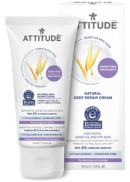
Free of potentially harmful preservatives such as phenoxyethanol, parabens, formaldehyde or formaldehyde-releasers, benzyl alcohol and MIT.
 Cream
Cream
75ml
Apply liberally to the affected area as needed or as directed by a specialist.
- 3% colloidal oatmeal
- Protective, soothing and hydrating
- Dermatologically tested, non-irritating and hypoallergenic.
- Fragrance-free
- Won’t dry out your skin

Eco-Friendly & Hypoallergenic Shampoo, Soaps & More…
Why Choose Attitude Living?
Attitude is a Canadian company based in Montreal that produces leading Natural Household & Body Care products for Adults & Children. Their best-selling products include Attitude laundry detergent, dishwashing soap, Natural+ body wash and hand soaps, baby body care and their blooming belly line for mothers-to-be. With body care available in Wildflower, Citrus Zest & Pink Grapefruit scents, Attitude's chemical-free products are energizing and gentle on your skin. Read more >- Reviews
- POST A NEW REVIEW
Reviews By Rating
helpful votes
0
0 customers found this product review helpful
DRY SKIN
Dry skin can be a very frustrating condition. Nutritional supplements, especially essential fats can make a difference for most...
The skin is the largest organ in the body. Its function is to act as a barrier to the external environment, allow the exchange of water and to modify vitamins. Dry skin can be simple or complex.
When the skin is deficient in natural oils, it cannot hold adequate water in its cell which causes simple dry skin. Oil is important as it acts as a barrier, protecting the skin from water evaporation in upper layers of the skin while also providing lubrication. Simple dry skin is seen usually in women under 35 years.
Complex dry skin, skin that lacks oil and moisture, usually affects older adults and is associated with aging. Prolonged UV exposure damages the protein in the skin and will lead to the development of fine lines, enlarged pores and brown spots.
Dry skin appears dull, scaly, flaky, chapped or cracked, and develops fine lines and wrinkles more readily than healthy skin. It may feel tight after washing and be relieved when moisturizer is applied. It most commonly occurs on areas of the body that are exposed to the elements. It can be caused by nutrient deficiencies, dehydration, environmental factors (like dry heat, sun or wind), chemical use, cosmetics, excessive bathing and harsh soaps.
To fight dry skin topically, avoid chlorinated tap water for drinking and bathing. Stay out of the sun. Use gloves while handling any substance that irritates the skin. Avoid perfumes and colourings in laundry and personal hygiene products. Use glycerin and natural soaps to wash your body, face and hair. Take oatmeal baths to relieve itching.
Calendula or vitamin E cream or ointment or aloe vera gel can be used to nourish the skin. Steam the skin with herbs such as chamomile, lavender or peppermint.
Dietary change is important for nourishing the skin. Water. Water. Water. Eat foods high in zinc such as whole grains, sunflower seeds and raw nuts.
Eat lots of fruit, especially mango and apricot, for its water content and alpha-hydroxy acids. Sulphur rich foods like garlic, onions, eggs and asparagus, provide raw material for building skin proteins.
Essential fatty acids are a source of the good fats for the skin. Use cold pressed oils like flax, olive, sunflower and safflower. Avoid hydrogenated fats, fried foods, soft drinks, sugar, chocolate, junk foods, cigarettes and alcohol. Ask your health professional if the recommendation medication you are taking is contributing to your dry skin.
What You Can Do For Healthy Skin:
- Eat lots of vegetables
- Avoid allergenic foods
- Detoxify your body with herbs
- Avoid refined sugar
- Don't eat deep fried food
- Take essential fats
- Ensure proper digestion with an enzyme supplement
- Don't smoke or drink coffee; cause the skin to age prematurely
Did You Know?
(Skin Health Facts)
- An eruption on the skin can be a symptom of toxins building up in the body.
- The skin is the largest organ
- Antioxidants can help slow the degeneration of skin cells
Back to Top ↑