

Keep out of reach of children. For external use only. Discontinue use if rash or irritation occurs.
 Wipes
Wipes
1 Pack
Pop the top, wipe the mess, close the lid. Great for cleaning kitchen countertops, high chairs, toys, walls, hardwood floors, painted surfaces, furniture, inside ovens, laminate, porcelain, granite, bathroom fixtures, wood, sealed stone, electronics & more
- Gentle plant-based ingredients that are safe enough to use around your baby but powerful enough clean any mess
- Durable enough and safe for all types of countertops, floors, walls, toys, furniture, and other surfaces
- Ultra effective and non-toxic: No harsh chemicals
- Pediatrician and Dermatologist tested
- No: ammonia, bleach, phosphates, phthalates, sulfates, artificial fragrances or dyes

- Reviews
- POST A NEW REVIEW
ENVIRONMENTAL ILLNESS
More and more common, environmental illness occurs when toxins from the environment overwhelm the immune system...
The industrial revolution has shaped human society in many beneficial ways but has also presented us with challenges that our evolutionary past has not prepared us for. There is no question that we are exposed to more chemical stressors today. These chemicals combined with calorie rich but nutrient deficient diets, polluted water and air, electromagnetic radiation, lack of exercise and high stress levels causes some individuals to feel chronically unwell.
Environmental illness and environmental allergies share some common symptoms, however environmental illness is a result of toxin build-up inside the body which are detrimental to normal cell functioning, and environmental allergies respond as an immune response to irritating matter. The response will usually stop when the source of the reaction is no longer present. When we remove the toxic substance causing illness, the symptoms remain because the toxicity has damaged the tissue.
Fatigue, nausea, headache, diarrhea, ringing in the ears, stuffy nose and watery eyes are symptoms of a potential environmental illness. Certain conditions like bronchitis, eczema, asthma and depression have shown a connection to environmental illness as well.
Detoxification involves dietary, supplemental and physical interventions. It usually focuses on one or more of the main organs of detoxification, the liver, kidneys, bowels, lungs or skin. This is an important step for individuals with environmental illness because these pathways are not working up to speed or have become blocked.
The back up of waste material makes it harder for the rest of the body to function normally and ultimately leads to symptoms of environmental illness.
Detoxification is a process that can result in a worsening of symptoms if the proper procedure is not followed and displaced toxins overwhelm the system. Individuals with environmental illness can be hypersensitive to even the most gentle detoxification methods. It is best to consult a health professional to see which methods of detoxification are safest for you.
Detoxification can also alter the levels of medication in the body, another reason why it is best to consult a health professional.
There are many ways of decreasing the toxin load in your environment. Keep rooms free of dust and use an air purification system. Use environmentally friendly cleaning products and personal care items. Do not smoke and eliminate exposure to second hand smoke. Keep plants that remove pollutants from air.
These types include bamboo palm, Boston fern, dracaena, English ivy, ficus ali, peace lily, rubber plant and spider plant. Spend time outdoors away from vehicle smog and pesticide sprays. Do not spray your lawn. Decrease stress levels with exercise and techniques like yoga, biofeedback or deep breathing.
Eat organic food and drink filtered water. Be well rested. Minimize the time spent in front of appliances that give off electromagnetic radiation like TVs, computers, microwaves and alarm clocks.
What You Can Do:
- Use biodegradable household and cleaning products
- Use aluminum free deodorants
- Take a green drink or green tablet daily; the chlorophyll will help remove toxins
- So an appropriate fast
- Take milk thistle
- Eat plenty of vegetables
- Eat organic (pesticide & herbicide) free foods
Did You Know?
(Environmental Illness Facts)
- Environmental illness is often misdiagnosed as depression
- Secondary illnesses such as Candida can develop die to a weakened immune system
- Pollution from the environment can promote the development of unhealthy cells in your body
Back to Top ↑

-
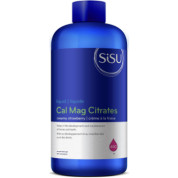
Cal Mag Citrate (Creamy Strawberry) - 450ml
Sale: $31.95
Reg.: $37.49 (Save $5.54)
-
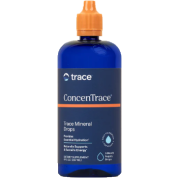
Concentrace Trace Mineral Drops - 240ml
Sale: $37.99
Reg.: $44.99 (Save $7.00)












