

Dermaflora (Psoriasis Cream) - 29ml - Boericke & Tafel
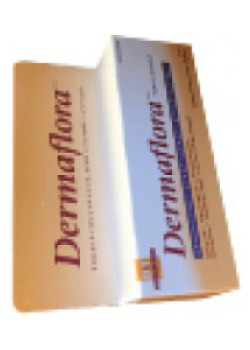
We're sorry, we no longer carry this item.
Check These out
Suggested, Similar, & Related Products:
Sale: $2.99
Reg.: $3.99 (Save $1.00)
Sale: $5.97
Reg.: $7.49 (Save $1.52)
Sale: $6.99
Reg.: $7.99 (Save $1.00)
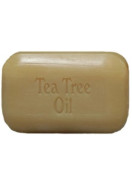
Sale: $1.99
Reg.: $2.49 (Save $0.50)
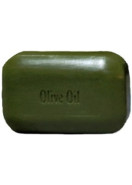
Sale: $1.99
Reg.: $2.49 (Save $0.50)
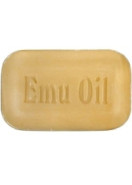
Sale: $1.99
Reg.: $2.49 (Save $0.50)
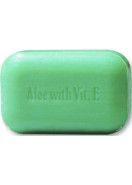
Sale: $1.99
Reg.: $2.49 (Save $0.50)
Sale: $1.99
Reg.: $2.49 (Save $0.50)
Sale: $1.99
Reg.: $2.49 (Save $0.50)
Or, Shop our Latest Deals:
Shop Now >- 1D
- Mahonia Aquifolium
Non-Medicinal Ingredients:
Purified water, glycol stearate, heptanoic acid, cetyl alcohol, isopropyl myristate, light mineral oil, benzyl alcohol, potassium hydroxide.
Store at room temperature in a dry place out of direct sunlight. No animal testing. Consult a health care practitioner prior to use if you are pregnant or breast feeding. Consult a health care practitioner if symptoms persist or worsen.
 Cream
Cream
29ml
apply to affected area up to 4 times daily. Rub in gently.
- Itching
- Dryness
- Flaking skin
- Rashes
- Non-greasy and absorbs quickly

- Reviews
- POST A NEW REVIEW
PSORIASIS RELIEF
Psoriasis can be treated with success nutritionally. Read on to discover how you can reduce the severity and frequency of psoriasis flare ups...
Chronic, recurrent, and often difficult to treat, psoriasis is an autoimmune disorder in which the body’s own immune system attacks the skin, causing an increase in the production of skin layers.
Triggers for someone predisposed to psoriasis include hormonal changes, emotional stress, recurrent skin irritations, surgery, cuts, medications, poor diet, poor digestive function, other autoimmune disorders, and alcohol consumption, and smoking. Toxicity in the body, especially the liver, can also play a large role in aggravating a flare up.
There are certain risk factors associated with psoriasis. Although anyone can develop it those with a family history of it are at a higher risk as are those who have viral and bacterial infections. Meaning if you have a lower immune system and have reoccurring infections you are at a high risk.
Signs and symptoms of psoriasis varies from person to person. The appearance of psoriasis is characterized by patches of thick, silvery scales surrounded by a red border. Often these patches can be raised up like at thick scab. Scratching the scales produces pinpoint bleeding. It is not itchy and does not cause scarring. Typical locations are on the elbows, knees, scalp and lower back, although any area can be affected. Psoriasis near the nails causes ridges and pitting. Some people may experience swollen and stiff joints. as well.
There are a few convention treatments of psoriasis involving the use of creams and ointments to remove the scales. The most common is corticosteroid creams. Using corticosteroid creams decrease skin cell multiplication but can cause skin thinning, immune suppression and decreased bone density. In severe cases of psoriasis strong medications like methortexate, acitretin and etretinate are used. However, some of these medications have lots of side effects including bruising, and bleeding. None of these treatments will prevent psoriasis reoccurrence.
Treating psoriasis nutritionally can involve three different approaches - a combination of all four usually works best: reducing the autoimmune reaction, improving overall health of the skin, and detoxification. But remember what may work for one person may not work for another.
Reducing the autoimmune reaction that causes psoriasis can be a challenge, but there are several supplements that you can use to help. Recent research shows that nutrients called sterols and sterolins have a large impact on the healthy functioning of the immune system. They help to calm down an overactive immune system by normalizing the activity of specific immune cells that are overactive in cases of autoimmune disorders. Primrose oil is also a useful supplement for normalizing immune system function when it is overactive. A combination of these two together works well for most people with psoriasis.
The overall health of your skin depends on many different factors, but some of the most important nutrients to ensure that you are getting enough of are essential fats. Firstly, they are needed to moisturize the skin and secondly, they are needed for healthy skin repair. Use a combination of borage or primrose with flax oil and fish oil. This will give you a balanced blend of the 3, 6, and 9 omega series of essential fats. It is common for people with psoriasis to be deficient in essential fats because the disorder causes their bodies to use more of them than they would normally, so it’s important to ensure that you are getting enough. You can also use the mineral silica and vitamins A and D to support skin health.
Detoxifying your body - specifically your blood and your liver can make a substantial reduction for you in the severity and duration of a psoriasis flare up. Because an accumulation of toxins in the body creates added stress on your immune system, it is important for all autoimmune disorders – not just psoriasis - to detoxify several times a year. Use a combination of the herbs red clover, burdock, and dandelion to cleanse the blood. For liver cleansing, use milk thistle; it has been clinically proven to help in even severe cases of psoriasis. Use glutamine to support the health of the intestinal lining and to prevent leaky gut, as leaky gut also puts added stress on the immune system.
To fight psoriasis topically avoid chlorinated tap water for drinking and bathing. Avoid perfumes and colourings in laundry and personal hygiene products. Use natural soaps containing tar to wash your body, face and hair. If psoriasis is in the scalp always blow-dry your hair. Moderate sunbathing often decreases psoriasis outbreaks. Apply compresses of seawater, liquid whey, comfrey, lavender or stinging nettle to affected areas. Avoid stress and ensure regular sleep patterns.
Dietary change is important for psoriasis treatment. All foods that promote detoxification of the body are essential because the skin will be used to excrete toxins if the primary organs of detoxification are overwhelmed. They include high-fibre foods and lots of water. See the article on detoxification for more information.
Avoid any foods that you are sensitive to especially, sugary foods, dairy products, alcohol, caffeine, chocolate, fried foods, processed foods, strawberries and peanuts. Do not eat spices derived from flowers, hazelnuts, walnuts, peanuts, commercial citrus juices and the rind of citrus fruits. They contain oils that cause psoriasis. Do not eat red meat because it contains an inflammatory substance that cannot be digested properly by those with psoriasis. Use vegetable source protein like tofu, potatoes, beans and nuts. Consume essential fatty acids by using flaxseed or fish oil and eating deep-sea fatty fish. Eat lots of raw fruits and vegetables, especially yellow root vegetables, for their vitamin and mineral content. Use liquid whey because it destroys bacteria and regenerates the skin.
WHAT YOU CAN DO IF YOU HAVE PSORIASIS:
- DETOXIFY YOUR BODY WITH MILK THISTLE AND OTHER HERBS
- TAKE STEROLS AND STEROLINS TO REDUCE THE AUTOIMMUNE REACTION
- EAT PLENTY OF VEGETABLES
- TAKE PRIMROSE OIL; IT HELPS OPTIMIZE HEALING OF THE SKIN
- IDENTIFY & ELIMINATE ALLERGENIC FOODS
- DO NOT DRINK COFFEE, BLACK TEA, OR COLA; THE CAFFEINE IN THEM DEPLETES IMPORTANT NUTRIENTS
DID YOU KNOW?
(PSORIASIS FACTS)
- THERE CAN BE A GENETIC PREDISPOSITION TO PSORIASIS
- A CONCOCTION OF ONIONS, SEA SALT, AND URINE WAS ONE OF THE FIRST TREATMENT OPTIONS.
- IF YOU HAVE AN EXISTING AUTO-IMMUNE DISORDER, THERE IS A GREATER CHANCE OF ACQUIRING IT.
Back to Top ↑








