

Coral Calcium
Discover the Power of Coral Calcium for Stronger Bones
Have you ever heard of Coral Calcium? It is a mineral derived from limestone and fossilized coral sand deposits that were once part of a coral reef. In turn, coral is made up of the skeletal structure of marine animals, which are collected directly from coastal land or the shallow waters surrounding it. Coral Calcium, as the name implies, is a form of calcium composed of 24%–40% elemental calcium, primarily in the carbonate form. Calcium, of course, is an essential mineral vital to life and the key building block for bones and teeth. Read more >-
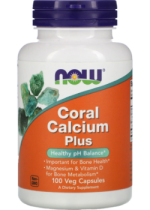
NOW Coral Calcium Plus contains an alkaline form of Calcium that can help to support a healthy serum pH. In addition, Coral Calcium has a number of naturally occurring trace minerals that are important for bone health, as well as for optimal enzymatic activity. NOW Coral Calcium is not harvested from living coral reefs or even from the ocean environment, but from above-ground sources in an ecol...
+ Earn 22 Reward PointsSale: $22.99
Reg.: $33.19 (Save $10.20)
In Stock
Harness the Benefits of Coral Calcium for Bone Vitality
If you're looking for a supplement for strong bones and overall bone health, have you ever heard of coral calcium? It is a mineral derived from limestone and fossilized coral sand deposits that were once part of a coral reef. In turn, coral is made up of the skeletal structure of marine animals, which are collected directly from coastal land or the shallow waters surrounding it.
coral calcium, as the name implies, is a form of calcium composed of 24%–40% elemental calcium, primarily in the carbonate form. Calcium, of course, is an essential mineral vital to life and the key building block for bones and teeth. Calcium also plays a fundamental role in cell signalling and mitochondrial function.
Coral calcium also naturally contains magnesium and 72 trace elements, i.e., the full spectrum of trace elements, much like that found in human bone. In fact, it is precisely because of this unique composition that coral calcium is so different from other forms of calcium supplements, making it ideal for bone grafting. Indeed, coral calcium, like human bone, is porous and interconnected and has been the go-to surgical material for bone grafts for well over 30 years.
As a bonus, coral calcium is naturally alkalinizing because of its high concentration of trace minerals. It helps the body achieve a more anti-inflammatory state, which can help ward off chronic degenerative diseases associated with inflammation and aging.
Key Benefits of Coral Calcium in Bone Health Maintenance
- Aids In The Production Of New Bone
- Helps Build & Maintain A Strong Skeleton
- May Help Prevent Bone Loss & Reduce Blood Pressure
- Provides The Full Spectrum Of trace minerals
- Used For Growing New Bone in Reconstructive Surgery, Cosmetic Surgery, and Trauma
Is Coral Calcium Right for You? Understanding Its Importance for Bone Health
Coral calcium is often recommended to help prevent or correct low blood calcium levels (deficiency) in those whose diets do not provide enough calcium. Coral calcium is also excellent for helping to prevent bone loss and reducing the risk of osteopenia, osteoporosis, and fractures. It is also frequently used to decrease the activity of the parathyroid gland (in hypoparathyroidism) and to promote healthy muscle and nerve function. Pregnant and nursing women would also be great candidates for a coral calcium supplement, as would menopausal and postmenopausal women, to help reduce the risk of bone loss and osteoporosis.
Explore Coral Calcium Supplements
Potency
Coral calcium is sold in a few different potencies, typically in the 250–1000 mg range, with a typical daily dose being in the 600–2,000 mg range.
Formats
Coral calcium supplements come in traditional capsule form (gelatin-based) or in veggie caps.
Why Coral Calcium is a Crucial Choice for Bone Health
Coral is an ancient, living organism found in semi-tropical seas. Under the Endangered Species Act, 22 coral species are listed as threatened, and two are listed as endangered. The primary threats to coral reefs are climate change, pollution, and unsustainable fishing. But rest assured, coral calcium is ecologically and sustainably harvested above sea level from fossilized deposits pushed over the waterline.
While coral calcium is generally well tolerated, supplementation may cause digestive problems, such as gas, bloating, and constipation, in some individuals.
Back to Top ↑








