- 2%
- 2-Hydroxybenzoic Acid / Salicylic Acid (Arachis Hypogaea Seed)
Purified Water, Cocamidopropyl Betaine (from Coconut), Green Tea Extract.
No side effects or contraindications. Non-irritant to the skin. Not to be taken internally. Not tested on animals. Contains no animal ingredients.
 Liquid
240ml
Lather with water in your hand until foamy. Apply cleansing gel over entire face and back with small, circular motions. Use twice daily.
- Fights acne and breakouts.
- pH balanced for healthy skin
- Natural gel.
- Easy to apply and use.
- Smoothes skin.

- Reviews
- POST A NEW REVIEW
Reviews By Rating
helpful votes
0
0 customers found this product review helpful
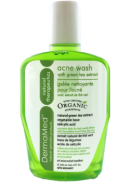
DermaMed Acne Wash with Green Tea Extract removes debris, impurities and excess sebum and imparts a clean, refreshing sensation to your face. Formulated in a natural vegetable base cleansing agent it provides the beneficial properties of salicylic acid and green tea extract (high in anti-oxidants) to repair and reduce inflammation.
ACTIVE INGREDIENTS:
2.0% Salicylic Acid: Will only penetrate the surface of the derma making it very safe in an effective wash. Salicylic acid reduces and isolates acne, plugged pores (blackheads and whiteheads), deeper lumps (cysts or nodules), redness and inflammation associated with acne, causing skin cells to slough off more readily and prevent pores from clogging up.
Green Tea Extract: Green Tea Extract is potent extract used primarily for fighting free radicals. Green tea extract contains potent antioxidants which are intimately involved in the prevention of cellular damage.
For best results, use DermaMed Acne Gel after cleansing to prevent additional skin irritation and for fast recovery of irritated skin
Acne
This common skin complaint is characterized by pimples, blackheads, and whiteheads. It affects most of our society at some point in their life (usually just in time for that big date or photo opportunity!). Although the problem is not life threatening, it can be disheartening. It can lead to lower self-esteem & a negative body image.
Nutritional deficiencies, exposure to environmental toxins, stress, genetics, hormonal imbalances and some pharmaceutical drugs can cause acne. It is rarely caused by uncleanliness.
Hormonal changes, including increased male hormones or increased progesterone, cause acne in adolescence and premenstrually. The extra hormones lead to increased production of oil that clogs the skin's pores. Bacteria get stuck in the oil and the resulting immune reaction causes inflammation. Acne can also be due to toxin excretion through the skin. When the body's organs (liver, kidneys, lungs) are overwhelmed by toxins the skin can sweat them out. Toxins in sweat can irritate the tissues leading to inflammation and susceptibility to acne. Scarring of the skin is the only long-term consequence of acne and is usually due to picking at the skin.
Conventional treatment with Accutane does reduce oil production and acne. However this drug had many side effects including nosebleeds, headaches, joint pain and it may cause bone loss and depression. The most dangerous side effect is birth defects from women taking Accutane during pregnancy. Topical treatment with Retin-A increases skin shedding to avoid oil build-up. Side effects include sun sensitivity. Oral antibiotics or creams can be recommended to kill bacteria. Side effects, like yeast infections, are quite common. Topical treatment with benzoyl peroxide is antibacterial but can cause excessive skin dryness and allergic reactions.
To fight acne topically tea tree oil, grapefruit seed extract and lavender essential oil are good choices. They can be added to hot water for a steam treatment or diluted and dabbed on the skin.
There are also many cleansing products available with one or more of these antibacterial agents. Colloidal silver is an antibiotic that can be applied topically. Green clay masks also help to detoxify the skin and draw out acne blemishes.
Dietary changes and stress reduction are the main stays of acne prevention. All foods that promote detoxification of the body are essential. They include high-fiber foods and lots of water. Avoid any foods that you are sensitive to especially, sugary foods, dairy products, alcohol, caffeine, chocolate, fried foods, processed foods and iodized salt. Eat foods high in zinc such as whole grains, sunflower seeds and raw nuts. Eat lots of fruit for its water content and alpha-hydroxy acids. Eat raw foods that contain oxalic acid like almonds, beets, cashews and chard.
Back to Top ↑