

Digestive Acids
Exploring Digestive Acids: Foundation of Digestive Health
An effective digestive process requires the secretion of an appropriate amount of digestive acids and enzymes, hydrochloric acid (also called HCL, HCL acid or betaine hydrochloride in supplement form), mucus, and bicarbonate. Read more >-
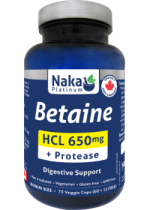
Betaine HCL (Hydrochloride) proves to be a highly efficient digestive supplement. Naka Platinum's Betaine HCL offers a combination of 650mg of betaine + 30mg of protease to provide additional assistance. Betaine actively stimulates the production of digestive acids, facilitating the breakdown of food and effectively preventing digestive discomfort such as gas and bloating. This product is parti...
+ Earn 17 Reward PointsSale: $17.99
Reg.: $19.99 (Save $2.00)
In Stock
Digestive Acids Explained: Your Guide to Better Digestion
An effective digestive process requires the secretion of an appropriate amount of digestive acids and enzymes, hydrochloric acid (also called HCL, HCL acid or betaine hydrochloride in supplement form), mucus, and bicarbonate.
Gastric juice comprises digestive enzymes, hydrochloric acid and other substances that allow us to absorb nutrients from our foods. A healthy digestive system produces roughly 3 to 4 litres of gastric juice every single day. The hydrochloric acid in the gastric juice breaks down our food, and the digestive enzymes decompose the amino acids in proteins. The acidic nature of our gastric juice also kills any potential bacteria that may be present. The mucus, in turn, covers the stomach wall with a protective coating and, alongside bicarbonate, ensures that the mucosal membranes in the stomach are not eroded by the hydrochloric acid.
Unfortunately, as we age, our production of gastric juices – notably hydrochloric acid, decreases – which can affect the body’s ability to digest and absorb proteins. Low HCL (or hypochlorhydria) can also damage the gut and lead to digestive issues such as indigestion, gas, bloating, and poor nutrient absorption. Moreover, not producing enough HCL can lead to lowered immunity (because 70% of the immune system resides in the gut), frequent infections, autoimmune conditions, cognitive issues, and skin problems, including acne and rosacea. Digestive support supplements can help.
Different Types of Digestive Acid Supplements Available
You can take a range of supplements that can help improve your digestion, including enhancing your ability to absorb nutrients from the foods you eat.
Digestive bitters have long been considered an excellent way to improve HCL/stomach acid production, alongside apple cider vinegar and various digestive herbs. Bitters can be taken daily for optimal digestion or used as needed to soothe symptoms of digestive upset. They can also be used to complete detoxification programs/detox kits.
Betaine HCL (Hydrochloric acid) is another beautiful supplement that can be used for those with low stomach acid to help mitigate symptoms, improve digestion, and balance the stomach's pH level. HCL supplements are often combined with the enzyme pepsin to provide additional digestive support for proteins.
Butyric acid is yet another great supplement that may be used to promote the healing of cells in the small and large intestines. Moreover, studies have shown that butyric acid aids digestion, downregulates inflammation and is especially beneficial for those with irritable bowel syndrome and Crohn's disease.
Digestive enzymes are another solution that can help improve your digestive health and soothe the symptoms of low stomach acid and GI conditions. Because digestive enzymes are essential to the digestive process and our ability to absorb nutrients, a quality digestive enzyme supplement can also help bolster your overall nutritional profile.
Enhancing Digestion: The Benefits of Digestive Acids
- Can Help Treat Candida & Bacterial Overgrowth In The Gut
- Helps Reduce Gas & Bloating
- Improves Nutrient Absorption
- Relieves Heartburn or GERD
- Soothes Acid Reflux Symptoms
Concluding Insights on the Importance of Digestive Acids
Digestion is a complex process that is critically important to health. Many organs are involved in the digestive process, so if you suffer from GI issues such as difficulty digesting certain foods, gas and bloating after eating uncharacteristically ravenous appetite, or lack of appetite, cramps, pain, and flatulence, you might need a little liver or gallbladder support, or your gut microbiome may need some balancing with a quality probiotic formula.
Speak to a qualified natural health care practitioner if you've been having new or worsening gastrointestinal symptoms to find out which digestive health supplements could help.
Back to Top ↑








