

Pepsin
What Is Pepsin?
Did you know, the name “pepsin” comes from the Greek word pepsis, meaning "digestion? It is one of the first digestive enzymes discovered by renowned German physician and physiologist Theodor Schwann in 1836. Pepsin is one of the components of the gastric juices we secrete alongside water, mucus, hydrochloric acid, and intrinsic factor. Read more >-
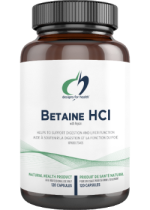
Designs for Health's Betaine HCl offers betaine hydrochloride in combination with pepsin, an essential enzyme responsible for protein digestion that is naturally produced in the stomach. This formulation is particularly beneficial for individuals seeking to enhance their digestive capabilities. Consuming a single capsule prior to a meal aids digestion, particularly of protein-rich foods, and pr...
+ Earn 54 Reward PointsOur Price: $54.92In Stock -
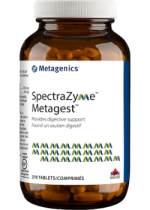
SPECTRAZYME METAGEST (FORMERLEY METAGEST) EASILY HELPS YOUR DIGESTIVE SYSTEM METAGENICS SPECTRAZYME METAGEST (FORMERLEY METAGEST) IS A HIGH POTENCY DIGESTIVE supplement with 650mg of active betaine HCl and 45mg of pepsin. Are you experiencing the symptoms of low stomach acid? These two digestive acids are ideal for people who are concerned with low stomach acid. Just take 1-2 tablets with each...
+ Earn 97 Reward PointsOur Price: $97.75In Stock -
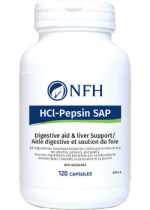
HCl-Pepsin SAP delivers an optimal combination of betaine HCl and pepsin that can help support digestion and improve liver function. Hypochlorhydria is common in several medical conditions including Helicobacter pylori infection and prevalent in geriatric population suffering from atrophic gastritis. Hypochlorhydria can also result due to repeated usage of acid-reducing pharmacological agents. ...
+ Earn 38 Reward PointsOur Price: $38.20In Stock -
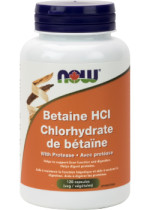
BETAINE HCL + PEPSIN FROM NOW FOODS. Naturally sourced; Betaine HCl (Hydrochloride) is an effective digestive aid. Now's Betaine contains 648mg + 150mg of pepsin for added support. Betaine works to stimulate digestive acids helping break down foods and prevent digestive upsets including gas and bloating. A good choice for those who experience frequent indigestion after meals.
+ Earn 24 Reward PointsSale: $24.99
Reg.: $29.99 (Save $5.00)
In Stock -
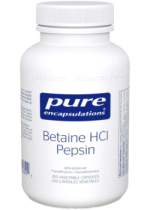
Pure Encapsulations Betaine HCL Pepsin provides digestive enzymes, betaine and pepsin, for overall digestive support. While betaine can be consumed in the diet, it’s often not in high enough quantities or doesn’t bypass stomach acid; therefore capsules are often more convenient. Digestive enzymes support healthy gut bacteria, which lessens bloating and offers better digestion. [VCAPS]
+ Earn 65 Reward PointsOur Price: $65.75In Stock -
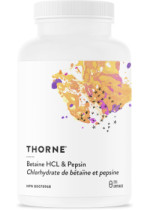
OPTIMAL DIGESTIVE SUPPORT WITH THORNE’S BETAINE HCL AND PEPSIN Thorne Research's Betaine HCL & Pepsin is a digestive support supplement containing active digestive acids. Ideal for people with low stomach acid, each capsule of Betaine HCL & Pepsin by Thorne contains 500mg of Betaine HCL to assist in protein breakdown and 23.5mg of Pepsin and supplement the stomach’s digest...
+ Earn 56 Reward PointsOur Price: $56.25In Stock
What Is Pepsin?
Did you know, the name “pepsin” comes from the Greek word pepsis, meaning "digestion? It is one of the first digestive enzymes discovered by renowned German physician and physiologist Theodor Schwann in 1836. Pepsin is one of the components of the gastric juices we secrete alongside water, mucus, hydrochloric acid, and intrinsic factor. Of these components, pepsin is the principal enzyme involved in protein digestion.
Indeed, as an aspartic protease, pepsin is required by humans (and many other animals) to properly digest the proteins found in foods such as those in meat, eggs, dairy products, nuts, and seeds. It does this by breaking the bonds linking amino acids together. More concretely, pepsin partially degrades proteins into smaller units in the digestive tract, which are either absorbed from the intestine into the bloodstream or broken down further by pancreatic enzymes. Some pepsin passes from the stomach into the bloodstream, breaking down some of the larger or partially undigested proteins that may have been absorbed by the small intestine.
Pepsin works best in an acidic environment, with a pH between 1.5 to 2, corresponding to gastric juices' typical acidity. This is key because the stomach is meant to be a highly acidic environment to break down all the foods we eat, from meat to tough, fibrous plants. Pepsin, however, does not function properly in environments with a pH of 6.5 or higher.
Those suffering from low stomach acid or digestive difficulties can significantly benefit from pepsin supplementation to enhance their digestion (especially that of proteins) and help manage all sorts of digestive health conditions.
Benefits of Pepsin
- Aids Liver Detoxification
- Boosts Nutrient Absorption
- Helps The Body Break Down Hard To Digest Proteins
- Soothes Symptoms Of Pancreatitis, GERD, Acid Reflux & Heartburn
- Stimulates Bile Secretion
Who Needs Pepsin?
A good quality pepsin supplement may be recommended to those who have difficulty digesting protein, people who regularly suffer from indigestion, or who have leaky gut, pancreatitis, gastric reflux (GERD), heartburn, and other issues like irritable bowel syndrome. A pepsin supplement may also be recommended to help manage problems such as dyspepsia, vomiting due to morning sickness, nausea and diarrhea, and digestive difficulties associated with cancer treatment.
Pepsin Supplements
Pepsin supplements are widely available in health food stores and online in capsule and tablet form. They can be purchased in isolated form, but more often than not, they come in combination blends with other digestive aids such as betaine HCL, glutamic acid HCL, bromelain, pancreatin, papain, and others. Always follow label instructions and dosing carefully.
Final Thoughts
While healthy lifestyle hygiene should enable your body to produce adequate pepsin for digestion, certain factors can reduce your production of stomach acid, resulting in lower pepsin production. Some of these include:
Age — the body’s production of gastric juices naturally wanes with age
Stress — chronic stress hampers our ability to produce gastric juices
Smoking — reduces the body’s nutrient stores, which can impede our ability to produce stomach acid
Alcohol — compromises the body's ability to produce stomach acid
Vitamin deficiencies — deficiencies in iron, zinc and B vitamins can inhibit stomach acid production
A quality pepsin supplement, alongside a few key lifestyle tweaks and dietary modifications, can get you back on track to healthy digestion and optimal nutrient absorption.
Back to Top ↑








