

Gas Relief Supplements
Understanding Intestinal Gas: Causes and Impacts
“Breaking wind," “cutting one," “tooting," and “passing gas” are all euphemisms for intestinal gas, which is caused by a buildup of air in the digestive tract, particularly the intestine, as the natural result of swallowing and digestion. Most healthy adults pass gas somewhere between 13 and 21 times each day. Read more >-
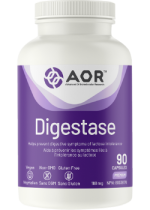
DIGESTASE SUPPORTS HEALTHY DIGESTION. Formulated by AOR Digestase represents the culmination of the most advanced study of the human digestive system to date - conducted by the prestigious Dutch research organization, TNO. Digestase is formulated with proteases that activate at different pH ranges to guarantee protein digestion as well as various amylases and lipases for the breakdown of starc...
+ Earn 36 Reward PointsSale: $36.31
Reg.: $45.39 (Save $9.08)
In Stock -

BioMed’s Absinthium is a powerful herbal blend traditionally used to relieve both acute and chronic digestive issues such as heartburn, indigestion, acid reflux, bloating, flatulence, and loss of appetite. This formula works by normalizing gastric secretions like hydrochloric acid and enzymes, while also improving motility through its effect on autonomic nervous tone. Bitter herbs like Gentian ...
+ Earn 40 Reward PointsOur Price: $40.99In Stock -

BioMed’s GastroEase is a blend of whole plant extracts, including mastic gum, traditionally used to support digestive comfort. This formula is designed to help soothe the stomach lining and may be beneficial for individuals experiencing occasional symptoms related to gastritis, acid reflux, or digestive irritation. GastroEase is often used as part of a natural approach to maintaining a healthy ...
+ Earn 70 Reward PointsOur Price: $70.99In Stock -

BioMed’s Oxyplex is designed to support digestive health by helping to manage levels of certain bacteria in the gut. It works by releasing small amounts of oxygen, which may help create a more balanced intestinal environment. Oxyplex is often used to ease occasional digestive issues such as gas, bloating, constipation, and discomfort related to imbalanced gut flora. It may also be used in prepa...
+ Earn 39 Reward PointsOur Price: $39.99In Stock -

Digestion Issues? Look no Further. Organika’s Digest Relief with Activated Charcoal helps to relieve digestive upset including lack of appetite, nausea, digestive spasms, and indigestion. Combining Ginger and Activated Charcoal this formula provides quick relief from indigestion carefully and effectively. Ginger has a very long history of use in various forms of traditional and alternative medi...
+ Earn 17 Reward PointsSale: $17.99
Reg.: $23.49 (Save $5.50)
In Stock -

No one likes to feel bloated. Suku Vitamins Debloat Gummies provide a delicious powerhouse blend of chamomile, ginger, and sweet fennel to help relieve digestive upset and disturbances including indigestion, digestive spasms, gas, and nausea. Bloating’s no fun, but with just two sugar free gummies a day Debloat will leave you feeling the way you should! Suku Vitamins is dedicated to bring you t...
+ Earn 20 Reward PointsSale: $20.99
Reg.: $22.99 (Save $2.00)
In Stock -
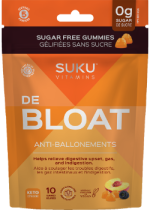
No one likes to feel bloated. Suku Vitamins Debloat Gummies provide a delicious powerhouse blend of chamomile, ginger, and sweet fennel to help relieve digestive upset and disturbances including indigestion, digestive spasms, gas, and nausea. Bloating’s no fun, but with just two sugar free gummies a day Debloat will leave you feeling the way you should! Suku Vitamins is dedicated to bring you t...
+ Earn 5 Reward PointsSale: $5.99
Reg.: $6.99 (Save $1.00)
In Stock
Intestinal Gas Explained: Symptoms and Sources
“Breaking wind," “cutting one," “tooting," and “passing gas” are all euphemisms for intestinal gas, which is caused by a buildup of air in the digestive tract, particularly the intestine, as the natural result of swallowing and digestion. Most healthy adults pass gas somewhere between 13 and 21 times each day. Indeed, studies have shown that the average person generates 0.6-1.8L of intestinal gas daily. This gas is made up of nitrogen, oxygen, carbon dioxide, hydrogen, and methane. And although less than 1% of gas is odorous, intestinal bacteria produce several sulphur-containing compounds that cause the characteristic odour of intestinal gas.
While it is generally considered impolite or inappropriate to pass gas in certain situations, such as in a formal setting or in proximity to others, it is not necessarily impolite in all contexts. In fact, in some cultures, flatulence is perfectly acceptable. For instance, the Inuit fart after a meal to express thanks and appreciation to the host for the food. However, in Western culture, passing gas in social settings is generally considered impolite or socially unacceptable. Indeed, intestinal gas is a perfectly healthy occurrence; however, excessive gas can be extremely uncomfortable and may be a symptom of an underlying digestive condition, such as irritable bowel syndrome (IBS), lactose intolerance, celiac disease, Crohn’s disease, peptic ulcer, gastroenteritis, diverticulitis, and SIBO. Fortunately, digestive health supplements can help.
Combatting Excessive Intestinal Gas: Effective Solutions
Suppose you've recently added new foods to your diet, such as high-fibre fruits, vegetables, grains, or cruciferous vegetables. In that case, you can expect to experience intestinal gas for a little while. High-fat and spicy food and dairy also tend to cause an increase in intestinal gas for many people. However, as your body gets used to these foods, it usually starts producing enzymes in the correct quantity needed to digest newly introduced foods.
Of course, if you know you are sensitive to certain foods, avoiding excess intestinal gas and bloating is the easiest and best way to prevent excess intestinal gas and bloating.
If dietary modifications don't do it, many natural supplements can help tame intestinal gas and flatulence and help relieve uncomfortable GI symptoms such as belching, bloating, cramping, stomach ache, constipation and diarrhea. These include:
- Activated Charcoal – is a substance that does not get absorbed by the gut, so once it is swallowed, it reaches the intestines intact. It can absorb toxins and intestinal gases in the digestive tract, relieving uncomfortable GI symptoms.
- Bitters – are combinations of bitter botanicals (herbs, spices, barks, fruits, flowers, and roots) that stimulate the secretion of digestive juices to promote better digestion and relieve GI symptoms such as indigestion, gas, bloating, and flatulence.
- Cinnamon – a classic of Traditional Chinese Medicine- helps calm the digestive tract and decreases gas pains. It is a natural antispasmodic that reduces gas formation when taken with food.
- Digestive Enzymes – a full-spectrum digestive enzyme supplement that contains lactase to break down lactose in dairy, lipase to break down fats, amylase to break down starches and protease to break down proteins, promotes optimal digestive health and helps soothe GI symptoms like gas and bloating.
- Fennel Seeds / Fennel Essential Oil – boast antiseptic properties; known to relieve constipation, flatulence, bloating, gas pains, and digestive upset.
- Ginger has potent anti-inflammatory properties, aiding digestion and reducing gas formation. It also helps alleviate nausea.
- Peppermint – natural antispasmodic; helps soothe stomach aches and gas pains. Helps calm the digestive tract, reducing the spasms that cause gas buildup.
- Probiotics–friendly bacteria help balance the gut flora, which enables you to digest foods without causing gas pains, bloating, or cramping.
Top Digestive Supplements for Relief from Intestinal Gas
Supplements that support digestion are widely available in health food stores and online. They come in all sorts of shapes and sizes, including capsules, tablets, caplets, chewable formats, liquids, and powders. Always follow the dosing instructions listed on the product you buy. Depending on the supplement you select, it may be taken 15 minutes before a meal, after your first bite, or whenever symptoms arise.
Managing Intestinal Gas: Practical Tips and Dietary Advice
While changing your diet is the first thing you should look at to help you manage intestinal gas, some easy lifestyle habits can also make a big difference. These include:
- Eating slowly, and chewing your food thoroughly
- Consuming smaller, more frequent meals
- Drinking room temperature beverages as opposed to cold and hot
- Increasing physical activity during the day
- Sitting up straight after eating – not lying down
- Taking a walk after eating
Back to Top ↑








