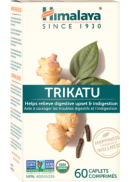
- 16 mg
- Organic ginger (Zingiber officinale, rhizome powder, 25: 1 super critical extract)
- 4 mg
- Organic black pepper (piper nigum stem, 16:1 super critical extract)
- 70 mg
- Organic Trikatu extract, Organic long pepper (piper longum fruit, 14.29:1 extract)
- 60 mg
- Organic black pepper (piper nigum fruit, 16.67:1 extract)
- 150 mg
- Organic ginger (Zingiber officinale, rhizome powder, 10:1 extract)
- 130 mg
- Organic Trikatu powder, Organic long pepper (piper longum, fruit powder)
- 130 mg
- Organic black pepper (piper nigum fruit powder)
- 130 mg
- Organic ginger (Zingiber officinale, rhizome powder)
Keep out of reach of Children. If you are pregnant or breastfeeding, consult your healthcare professional prior to use. If symptoms persist or worsen, consult a health care practitioner. If you are taking other medications or natural health products, consult a health care practitioner prior to use, as this product may alter their effectiveness. If you have gastric or duodenal ulcers, do not use.
 Caplets
60 Caplets
Adults take one (1) caplet once daily.
- Supports the upper digestive system
- Helps relieve digestive upsets, disturbances, discomfort
- Combination of organic Trikatu extract and organic supercritical CO2 extract
- Organic. Vegan. Non-GMO, Gluten, Wheat, Corn, Soy and Dairy Free

Pioneers In Herbal Healthcare Offering Time-Tested Ayurveda
What makes Himalaya Herbals unique is their range of 100% natural and safe products with rare herbs collected from the foothills of the Himalayas. Founded in 1930 by Mr. M. Manal with a clear vision to bring Ayurveda to society in a contemporary form and to unravel the mystery behind the 5,000 year old system of medicine. Read more >- Reviews
- POST A NEW REVIEW
INDIGESTION
Burning, cramping, tension and upset stomach are all symptoms of indigestion that might actually be telling you that you are not digesting your food properly. Taking an enzyme formula can not only relieve your symptoms, but also help you get more out of your food...
Indigestion is caused by an inability to breakdown and absorb food. It has probably affected everyone at least once and, most likely, after a Thanksgiving dinner. It is usually directly related to the type of food eaten and poor eating habits.
Chronic indigestion may be related to lack of bile, stomach acid and enzymes, or food sensitivities. It occurs more commonly as we age because our production of digestive enzymes and stomach acid decreases. Indigestion symptoms include, a burning sensation in the stomach or chest, a heavy sensation, belching, flatulence, bloating, nausea and decreased appetite.
Conventional treatment of indigestion involves symptomatic treatment, usually with antacids. Prolonged use of antacids can cause mineral imbalances because they contain large amounts of sodium, aluminum, calcium and magnesium. Excess sodium can worsen hypertension and aluminum has been connected to Alzheimer’s disease. Antacids also change the pH of the stomach so that food is improperly broken down, actually leading to worse indigestion. Drugs to suppress acid production are also prescribed. Long-term use of these medicines can damage the stomach lining, leading to tumour formation. Other side effects include impotence or breast enlargement.
It is important when you experience chronic digestive symptoms like heart burn that you support the health of your stomach, intestinal, and esophogeal lining. The flare up, absence, or reflux of acid can damage the lining of the gut, creating further digestive challenges, in particular leaky gut in which undigested food particles leak out from the intestines and then into the blood stream. See the list below for supplements that can help you maintain the health of the gut lining.
To prevent indigestion eat small meals, chew well and eat slowly so that you do not swallow excess air. Relax and enjoy the smell and taste of food. This will stimulate the release of digestive juices. Do not drink liquids while eating because it dilutes digestive juices. Avoid foods that are extremely hot or cold. Avoid things that increase stomach acidity like alcohol, coffee, tea, colas, tobacco, aspirin, ibuprofen and spicy foods. If you have low stomach acid take lemon juice or take apple cider vinegar with your meals. Avoid any foods that you are sensitive to. An elimination or rotation diet may be necessary to uncover specific food allergens. Combinations of certain foods can also be difficult to digest. Use food-combining guidelines to make digestion easier.
Eat papayas, pineapple and kiwi with your meal because they contain protein digestive enzymes. To help fat digestion take unrefined, cold pressed nut or seed oils, like walnut, pumpkin or flax, with your meal. To relieve indigestion symptoms eat bitter green leafy vegetables like endive, lettuce and artichokes. Prepare them as a salad or steam them and eat them with boiled potatoes. Carrot and cabbage coleslaw with yogurt or kefir helps with heartburn.
Back to Top ↑