

Probiotics Enhancers
What Are Probiotic Supplement Enhancers?
Probiotic supplement enhancers are substances or compounds designed to support the growth, viability, and effectiveness of probiotic bacteria in the gastrointestinal tract. Probiotics, as you likely know, are beneficial microorganisms that confer numerous health benefits when consumed in adequate amounts. Read more >-
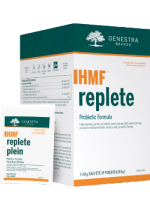
HMF Replete delivers over 150 Billion CFU per dose. Genestra offers HMF Replete as a high level formula probiotic formula. Genestra's HMF Replete provides Lactobacillus acidophilus, Lactobacillus paracasei and Bifidobacterium animalis subsp. Lactis along to ensure rapid establishment and dominance of probiotic cultures in the gastrointestinal tract along. HMF Replete also delivers a Prebiotic o...
+ Earn 67 Reward PointsOur Price: $67.50In Stock
Probiotic Supplement Enhancers
Probiotic supplement enhancers are substances or compounds designed to support the growth, viability, and effectiveness of probiotic bacteria in the gastrointestinal tract. Probiotics, as you likely know, are beneficial microorganisms that confer numerous health benefits when consumed in adequate amounts. They are commonly found in certain foods such as yogurt, kefir, kimchi, miso, and tempeh and are widely available in supplement form.
Probiotic enhancers can be used to optimize the conditions for probiotic bacteria to survive and thrive in the gut. Indeed, these substances are intended to improve the survival rate of Probiotics during manufacturing, storage, and transit through the stomach's acidic environment. They can also help probiotics adhere to the intestinal lining and colonize the gut, increasing their overall effectiveness and multiplying their benefits to health.
Both the food and supplement industries commonly use probiotic enhancers. See below for some common types of probiotic enhancers.
Types Of Probiotic Supplement Enhancers
Prebiotics – Prebiotics are indigestible fibres or carbohydrates that serve as food for probiotic bacteria. They selectively stimulate the growth and activity of beneficial bacteria in the gut. Common prebiotics include inulin, fructooligosaccharides (FOS), and galactooligosaccharides (GOS).
Synbiotics – Synbiotics are combinations of probiotics and prebiotics. They provide both live beneficial bacteria and the nutrients necessary for their growth. The prebiotics in symbiotic blends help the probiotic bacteria to establish themselves and flourish in the gut.
Postbiotics – Postbiotics are metabolic byproducts produced by probiotic bacteria during fermentation. They include organic acids, enzymes, antimicrobial substances, and other bioactive compounds. Postbiotics have been shown to benefit gut health and immune function.
Encapsulation – Probiotic bacteria can be encapsulated in protective coatings or microencapsulated to improve their survival in harsh environments, such as the acidic conditions of the stomach. Encapsulation techniques can enhance the viability and stability of probiotics, ensuring that they reach the intestines intact and in sufficient numbers.
Benefits of Probiotic Supplement Enhancers
- Enhance Nutrient Absorption
- Help Modulate Inflammation
- Improve Digestive Health
- Promote Mental Health & Mood Balance
- Strengthen The Immune System
Who Needs A Probiotic Enhancer?
Probiotic enhancers are ideal for individuals who want to improve their Digestive Health or enhance the effectiveness of probiotic supplements. Most notably, they may benefit those with pre-existing digestive issues such as bloating, gas, diarrhea, or constipation; those who have recently taken antibiotics; individuals with weakened immune systems: Probiotics play a role in supporting the immune system; people with weakened immune systems or dealing with food intolerances, as well as individuals who are seeking to improve their overall gut health.
Final Thoughts
When shopping for a quality probiotic enhancer, there are several factors to consider, including:
High-quality ingredients: Check the supplement's label for the source and quality of the ingredients used. Look for supplements using reputable suppliers and manufacturers with Good Manufacturing Practices (GMP) certifications. Ideally, choose supplements from natural, whole-food sources rather than synthetic ones. If quality matters to you, do not make the mistake of choosing solely based on price point!
Third-party testing and certifications: Look for supplements that have been independently tested by third-party organizations to ensure their quality, potency, and purity. Some reputable certifications include USP (United States Pharmacopeia), NSF International, or ConsumerLab.
Proper dosage and potency: Ensure that the supplement you’re considering provides the appropriate dosage and potency of the active ingredients (in this case, probiotic enhancers). The label should clearly state the amount of each nutrient per serving, allowing you to compare it to recommended daily allowances or therapeutic doses.
Avoid unnecessary additives: Check for unnecessary fillers, preservatives, artificial colours, and flavours. Quality supplements should have minimal non-medicinal ingredients (excipients).
Allergen considerations: If you have allergies or sensitivities, carefully read the label to ensure the supplement is free from common allergens such as gluten, dairy, soy, or nuts. Look for products labelled "free from" or "allergen-free" if you have specific dietary restrictions.
Transparent labelling: A quality supplement should have clear and transparent labelling, providing comprehensive information about the ingredients, serving size, and potential allergens. Avoid products with proprietary blends that do not disclose the specific amounts of individual ingredients.
Back to Top ↑








