

Alpha-GPC - 60 V-Caps - Douglas Labs

We're sorry, we no longer carry this item.
Check These out
Suggested, Similar, & Related Products:

Sale: $14.99
Reg.: $24.99 (Save $10.00)
(Click Add to Select Bonus)

Sale: $46.99
Reg.: $67.99 (Save $21.00)
(Click Add to Select Bonus)

Sale: $12.49
Reg.: $16.99 (Save $4.50)

Sale: $43.99
Reg.: $61.99 (Save $18.00)
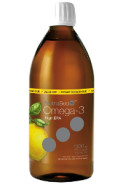
Sale: $79.99
Reg.: $104.99 (Save $25.00)
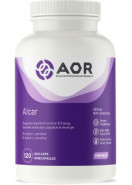
Sale: $35.87
Reg.: $44.84 (Save $8.97)
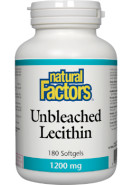
Sale: $12.99
Reg.: $19.99 (Save $7.00)

Sale: $12.99
Reg.: $17.99 (Save $5.00)
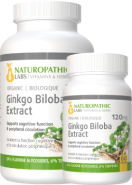
Sale: $39.99
Reg.: $49.99 (Save $10.00)
(Click Add to Select Bonus)
Or, Shop our Latest Deals:
Shop Now >- 250 mg
- Choline alfoscerate (L-alpha-glycerophosphorylcholine from soy)
Hypromellose (capsule), cellulose, silica, magnesium silicate, magnesium stearate.
Consult your healthcare practitioner prior to use if you are pregnant or breastfeeding. For optimal storage conditions, store in a cool, dry place. If seal around cap is broken, do not use. Keep out of reach of children.
 Veggie Caps
60 Caps
Adults: Take 2 capsules two times daily or as directed by your healthcare practitioner.
- Helps maintain cognitive function during aging
- Source of choline for the maintenance of good health
- Supports memory functions
- Does not contain yeast, gluten, milk/dairy, corn, sodium, sugar, starch, artificial colouring, preservatives, flavouring or GMOs

- Reviews
- POST A NEW REVIEW
Choline
By: Articles by a Naturopathic Doctor (N.D.)
An essential nutrient that helps to regulate fat in the body and protects the brain and cardiovascular system...
Choline is a member of the B Vitamin family and is a water-soluble essential nutrient for the human body. It plays a number of important roles including maintaining the structure of cell membranes and improving cell signaling. It is also one of the few substances that can cross the blood-brain barrier to produce chemical messengers in the brain called neurotransmitters.
The most important of these Choline-based neurotransmitters is acetylcholine, the molecule responsible for memory. It is commonly recommended by natural health care practitioners for a variety of different therapeutic applications, including: Fatty Liver, Cardiovascular Health, Depression, poor concentration, and neurological diseases such as Multiple Sclerosis, Tardive Dyskinesia, and Parkinson’s disease.
Choline in the Brain
One of the most important roles choline plays in the body is its role in the brain. As mentioned above, it can form acetylcholine for memory. Because of this, insufficient amounts can affect memory. It also plays an integral role in the formation of the cell membranes of all the neurons in the body and the protective myelin sheath surrounding the peripheral nerves. These are the nerves that conduct messages from the brain to the muscles and organs of your body. Myelin performs a similar function to the insulation sheathing of electrical wires, preventing misfiring and “short-circuits”. If this protective sheath degenerates (as in Multiple Sclerosis), a “shorting out” of the message that the nerve is carrying occurs. Choline is often supplemented in place of Phosphatidyl choline to avoid gastrointestinal side effects when attempting to support these brain functions.
Fat Metabolism
Choline is well known for its role as a fat emulsifier, which means that it helps to make fat dissolve in water. When fat can be soluble in water substances like our blood or body tissues, it can more easily be carried to the cells in our bodies. For this emulsifying function, choline works best when combined with inositol. Choline also helps to regulate fat metabolism both for storage and for its use. It also helps to regulate cholesterol metabolism in the liver and gallbladder, breaking them down into smaller particles, which makes it easier for your body reduce the accumulation. For more information on these functions, please see our High Cholesterol article.
Heart Health
Choline helps to reduce cholesterol levels in the body, and also helps to reduce homocysteine. Homocysteine is a pro-inflammatory marker molecule that is associated with a number of different diseases in humans, including cardiovascular disease and Arteriosclerosis. Preventing high levels of homocysteine in the bodycan help to prevent the development of disease. Once disease is established, altering homocysteine has little effect. Because of this, choline will be most beneficial in prevention of heart disease.
Hormone Production
Since healthy fats play a large role in hormone formation, choline can also help to optimize hormone levels in both men and women. Pregnancy is a time when choline demands in the body are greatest. It is important that pregnant women ingest sufficient choline to meet their newfound requirements. This is especially true during the 3rd trimester when the fetal brain is developing and requires sufficient choline for cell membranes and acetylcholine production. This need continues after birth, and new mothers should continue higher levels of choline intake while breastfeeding to help further support brain growth in the infant.
Co-Supplementation
All of the B vitamins work together in the body and are best taken in a B complex, which is why many B complex supplements include a small dose of choline in them. If additional supplementation of choline is needed, it should be combined with a good B complex to maintain balance in the body. Choline also works quite well with inositol for fat metabolism, and they are commonly paired in combination supplements.
Deficiency
The most common signs of choline deficiency are Fatty Liver Disease and kidney failure. Diets low in natural choline can also cause infertility, stunted growth, bone abnormalities, neurological disorders, and hypertension. Certain groups of people are at risk for deficiency of choline, including but not limited to: vegetarians, vegans, endurance athletes, and chronic alcoholics. Oral contraceptives, estrogen, sulfa drugs, food processing and alcohol also all deplete choline levels in the body. If any of these affect you, it is a good idea to increase choline in your diet or with supplementation.
How can I get more choline?
There are a number of foods rich in choline such as: egg yolks, legumes, meat, milk, soybeans and whole grains. In supplemental form, choline can be found in capsules or tablets, and often in complex with other B vitamins. Most B vitamins are water-soluble and any unused excess is flushed out of the body easily. Because of this, it is generally best to take lower dosages of the B complex several times a day, rather than one large dose. Lecithin is 13% choline by weight and may be used a source for supplementation as an alternative to choline tablets or powder. The recommended supplemental dose of choline is between 500 and 1000mg daily, although it can vary widely depending on dietary intake.
Choline– Quick Facts
Food Sources
· Egg Yolks, Lecithin, Legumes, Meat, Milk, Soybeans, Whole Grains.
Deficiency Symptoms
· Fatty Build-Up In The Body, Gastric Ulcers, High Blood Pressure, High Cholesterol, Intolerance To Dietary Fat, Kidney Or Liver Impairment, Infertility, Stunted Growth.
Optimum Dosage
· 500-1000mg Daily. (Clinical Doses May Be Higher As Recommended By Your Practitioner).
Works Well With
· Vitamin B Complex, Inositol
Important Information
· When Using Lecithin Or Choline Along With Calcium Supplementation Use A Chelated Calcium Supplement.
· There Is No Toxicity Associated With Choline.
· If You Have A Sensitivity To Soy Products Use Caution Because Choline Is Sourced From Soybeans.
Back to Top ↑








