

- 50 mg
- Bee Propolis (Apis mellifera, secretion)
- 150 mg
- Licorice Root (Glycyrrhiza glabra, Root)
- 20 mg
- Vitamin C (Ascorbic acid)
- 0.7 mg
- Zinc (Zinc sulfate, Heptahydrate)
- 5 mg
- Golden Seal Root (Hydrastis canadensis, Root and Rhizome)
- 5 mg
- Echinacea (Echinacea angustifolia, Root)
Honey, glycerine, ethyl alcohol, orange flavour, water, slippery elm bark powder, commiphora myrrha resin extract, clove powder.
If you are pregnant or breastfeeding, consult a health care practitioner prior to use. Consult a health care practitioner if symptoms persist or worsen, if you are allergic to bee products, poplar tree products, or balsam of Peru. Consult a health care practitioner if you have a history of asthma or allergies, do not use this product. Hypersensitivity, such as allergy, has been known to occur; in which case, discontinue use immediately.
 Spray
Spray
30ml
Adults: Take 5 sprays per day. Take with food, a few hours before or after taking other medications or natural health products.
- Help protect against infections
- Source of antioxidants
- Immunity Booster
- Anti-inflammatory, anti-viral, and anti-bacterial
- Helps Prevents Common Cold And Other Infections

Premium Canadian Raw Honey & Natural Bee Products
Dutchman’s Gold has been sharing unpasteurized, award-winning Canadian honey since 1981. From humble beginnings selling honey from the Van Alten family’s front porch, they’ve grown into a trusted brand known for quality, integrity, and sustainability. They source exclusively from Canadian bees, working closely with beekeepers to ensure every jar preserves the natural goodness of the hive. Read more >- Reviews
- POST A NEW REVIEW
BEE PROPOLIS BENEFITS
What Is Bee Propolis?
Did you know that bee propolis (also often called “bee glue”) is a potent natural antimicrobial that has the ability to fight various types of bacteria, fungi, and viruses? Indeed, bee propolis – a natural resinous substance that bees produce from plants and tree buds – has been revered for centuries for its potent health benefits. It contains a complex mixture of substances such as beeswax, essential oils, pollen, flavonoids, phenolic compounds, and minerals that impart propolis with its documented antibacterial, antifungal, antiviral, and anti-inflammatory properties.
But what exactly is bee propolis, and how is it made? Bees produce propolis by collecting resinous substances from various plant sources such as tree buds, sap flows, and other botanical materials. They primarily gather resin from the buds of trees like poplar, birch, and conifers. Once the bees collect the resin, they mix it with beeswax, pollen, and enzymes in their saliva to create propolis.
In turn, bees use propolis to reinforce and protect their hive – i.e. they use it much like you would a construction material to seal small gaps and cracks in a structure. They apply it to the inner surfaces of the hive, such as the walls, crevices, and the frames of honeycombs. By filling these openings, propolis strengthens the hive, protects against potential intruders, and helps maintain a safe and stable environment for the entire colony.
Health Benefits Of Bee Propolis
In humans, propolis has long been used medicinally to help prevent and treat a whole host of health conditions. Propolis is known to:
- Boost Immune Function
- Fight Parasites
- Help Prevent And Treat Candida Infections
- Improve Fertility In Women With Endometriosis
- Inhibit The Growth Of Oral Bacteria / Prevent Tooth Decay
- Possess Benefits For Healthy Cell Growth/Renewal
- Reduce Oxidative Stress
- Stop The Replication Of Cold Sores / Herpes (Oral & Genital)
- Treat The Common Cold And Other Infections
Buying Bee Propolis
Various forms of propolis are available on the market, including extracts, tinctures, capsules, tablets, powders, throat sprays, topical creams, balms, and ointments. These can be purchased in most health food stores as well as online.
For internal use, the recommended dose of propolis is typically around 500mg once or twice daily. Always follow the dosing instructions on the product you purchase.
Final Thoughts
Bee propolis is, by and large, extremely well tolerated by most, but, as in all things, may not be appropriate for everyone. Certain individuals may be allergic to propolis and may manifest mild to severe symptoms, including itching, swelling, rash, hives, and difficulty breathing. In such instances, discontinue use and consult a health care provider.
Beyond allergies, some may experience side effects when they begin taking propolis. Symptoms may include skin irritation or redness and itching when propolis is applied topically. Moreover, those with a history of asthma or other allergic respiratory conditions may be at an increased risk of developing allergic reactions to propolis.
Back to Top ↑

-
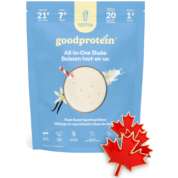
All-In-One Shake (Vanilla Milkshake) - 880g + BONUS
Sale: $49.99
Reg.: $61.99 (Save $12.00)












