

Blueberry Supplements
Blueberries For Eye Health
Blueberries are small, round, edible fruit that belongs to the Vaccinium genus. They are typically blue or purple in colour, although some varieties can be red and even black. Blueberries are prized for their delicate sweet taste and are often used in culinary applications, such as in baked goods like pies, muffins, and pancakes, as well as in jams, jellies, and sauces. Read more >-
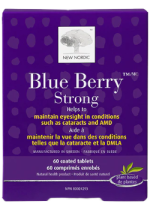
PROTECT & STRENGTHEN VISION WITH BLUE BERRY STRONG New Nordic's Blue Berry tablets are recommended to people who want help to maintain healthy eyes and normal vision. Highly concentrated blueberry tablets with high content of bio-activeanthocyanins and natural lutein which helps maintain a healthy macula of the eye. Combined with eyebright and grape seed antioxidants it helps defend against d...
+ Earn 87 Reward PointsSale: $29.99
Reg.: $42.99 (Save $13.00)
In Stock -
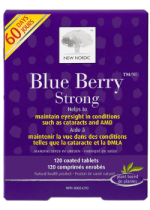
PROTECT & STRENGTHEN VISION WITH BLUE BERRY STRONG New Nordic's Blue Berry™ tablets are recommended to people who want help to maintain healthy eyes and normal vision. Highly concentrated blueberry tablets with high content of bio-activeanthocyanins and natural lutein which helps maintain a healthy macula of the eye. Combined with eyebright and grape seed antioxidants it helps defen...
+ Earn 156 Reward PointsSale: $52.99
Reg.: $74.99 (Save $22.00)
In Stock
The Benefits of Blueberries for Eye Health
Blueberries are small, round, edible fruit that belongs to the Vaccinium genus. They are typically blue or purple in colour, although some varieties can be red and even black. Blueberries are prized for their delicate sweet taste and are often used in culinary applications, such as in baked goods like pies, muffins, and pancakes, as well as in jams, jellies, and sauces. They are also absolutely delicious, eaten fresh. However, they also have health benefits, let's explore how the blueberry supports your eye health.
Nutritional Impact of Blueberries on Overall Health
Given their deep blue hue, it should be no surprise that blueberries also pack quite the nutritional wallop. Indeed, these blueberries are rich in vitamins C, E, and K, minerals like manganese and potassium, and contain powerful antioxidant compounds. They are particularly rich in flavonoids, specifically anthocyanins, and in phytochemicals, such as resveratrol and quercetin.
The Benefits of Blueberries for Eye Health
Blueberries have been linked to improved brain function, reduced risk of heart disease, lower blood pressure, improved insulin sensitivity, and better management of blood sugar levels. The antioxidants in blueberries may also help slow the aging process and protect against certain types of cancer.
Because of how dense they are in antioxidants, they are especially beneficial to eye health. Indeed, blueberries help protect the eyes from damage caused by free radicals, which can lead to age-related macular degeneration (AMD) and other eye conditions. They also support the health of the macula, and studies suggest they can help reduce the risk of developing AMD, as well as can slow the progression of cataracts. Moreover, since blueberries are rich in vitamins C and E, they help maintain the health of blood vessels in the eyes, including those in the retina.
Exploring Blueberry Supplements: Types and Dosages
While fresh blueberries are delicious on their own and should be a part of your healthy diet, you'd have to eat a lot to get the same quantity of beneficial compounds that nutritional supplements can provide. Fortunately, you don't need to choose between them! You can easily add a blueberry supplement to your daily regimen while enjoying yummy blueberries in season.
Blueberry supplements come in various forms, including capsules, tablets, powders, and liquid extracts. They are typically made from the fruit or extract of the blueberry plant and are offered in 50 to 1,000 mg per serving. However, the most commonly recommended daily dose is usually in the 100 to 500 mg range.
A Comprehensive Guide to Blueberry Supplements
While blueberries are generally considered safe and well-tolerated, certain individuals should exercise caution or avoid blueberry supplements. These include:
Allergic individuals: If you have a known allergy to blueberries or other berries, avoiding blueberry supplements is important to prevent an allergic reaction. Symptoms of an allergic reaction may include itching, swelling, hives, difficulty breathing, or anaphylaxis.
Individuals with kidney issues: Blueberries contain certain compounds, such as oxalates, which can contribute to the formation of kidney stones in susceptible individuals. If you have a history of kidney stones or kidney problems, you should speak with your healthcare practitioner before taking blueberry supplements.
Individuals on blood-thinning medications: Blueberries contain vitamin K, which has natural blood-thinning properties. If you take anticoagulant or antiplatelet drugs, such as warfarin or aspirin, adding blueberry supplements to your routine may increase the risk of bleeding or interfere with your medication.
Diabetic individuals: Blueberries are generally considered to be low-glycemic fruits. However, blueberry supplements, especially those in concentrated forms, may contain added sugars or other ingredients that could affect blood sugar levels. Exercise caution.
Back to Top ↑








