

Lutein Supplements
How Does Lutein Help Vision?
Lutein is a naturally occurring carotenoid that belongs to the xanthophyll family of pigments. It is found in various plants, algae, and photosynthetic bacteria and is part of a subgroup of carotenoids that have oxygen-containing molecules. Lutein is known for its vibrant yellow colour, which is responsible for the hue of certain fruits, vegetables, and flowers. Foods like leafy green vegetables (spinach, kale, and broccoli), egg yolks, corn, and orange and yellow fruits like oranges and mangoes are rich in lutein. Read more >-
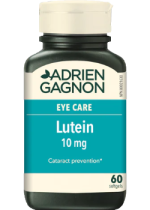
Lutein is a supplement that helps people suffering from age-induced cataracts and macular degeneration maintain a good vision. Neutralize free radicals that can damage the retina with Adrien Gagnon’s Lutein while also helping to slow down the progression of macular degeneration. Studies show a correlation between high lutein consumption and increased pigmentation of the retina. Increased pigmen...
+ Earn 16 Reward PointsSale: $16.29
Reg.: $18.79 (Save $2.50)
In Stock -

Jamieson Lutein Ultra Strength is formulated with Zeaxanthin and Lutein to provide antioxidants for the maintenance of optimal eye health. Providing 20mg of Lutein and 1,000 mcg of Zeaxanthin to help support eye health in conditions associated with sunlight damage such as cataracts and age-related macular degeneration (AMD). [SOFTGELS]
+ Earn 19 Reward PointsSale: $19.99
Reg.: $22.99 (Save $3.00)
In Stock -

Jamieson Lutein Ultra Strength is formulated with Zeaxanthin and Lutein to provide antioxidants for the maintenance of optimal eye health. Providing 40mg of Lutein and 1,600 mcg of Zeaxanthin to help support eye health in conditions associated with sunlight damage such as cataracts and age-related macular degeneration (AMD). [SOFTGELS]
+ Earn 21 Reward PointsSale: $21.99
Reg.: $25.99 (Save $4.00)
In Stock -

New Root’s EyeSurance combines naturally sourced lutein (25 mg) and zeaxanthin (5 mg) in convenient one-per-day softgel dosage for healthy eyesight and to help prevent macular degeneration and cataracts. These two antioxidants in EyeSurance from New Roots can prove to be an invaluable ally for maintaining better vision, a critical component of healthy aging. EyeSurance is a potent source of two...
+ Earn 24 Reward PointsSale: $12.79
Reg.: $14.54 (Save $1.75)
In Stock
Discover the Vision Protection Benefits of Lutein
Lutein is a naturally occurring carotenoid that belongs to the xanthophyll family of pigments. It is found in various plants, algae, and photosynthetic bacteria and is part of a subgroup of carotenoids that have oxygen-containing molecules. Lutein is known for its vibrant yellow colour, which is responsible for the hue of certain fruits, vegetables, and flowers. Foods like leafy green vegetables (spinach, kale, and broccoli), egg yolks, corn, and orange and yellow fruits like oranges and mangoes are rich in lutein. In the body, lutein is primarily concentrated in the macula, a region of the retina responsible for central vision. It acts as a powerful antioxidant and filters harmful blue light, helping to protect the eyes from oxidative stress and reducing the risk of age-related macular degeneration (AMD) and cataracts. Lutein supplementation has been shown to benefit visual function and reduce the risk of and/or the progression of AMD.
Lutein has been found to benefit the skin by protecting it from UV rays which can cause premature aging, wrinkles, and other skin problems. As an antioxidant, lutein also protects cells from oxidative stress, which can contribute to various chronic diseases, such as heart disease, cancer, and neurodegenerative disorders. Lutein supplementation has been shown to benefit the brain and improve memory, processing speed, and overall cognitive performance.
How Lutein Shields Your Eyes from Harmful UV & Blue Light
- Acts As A Natural Sunscreen, Protecting The Macula From Harmful Ultraviolet (UV) Light And Oxidative Stress
- Helps Filter Blue Light
- Helps Prevent Cataracts
- Reduces The Risk Of Developing AMD / Can Slow Progression
- Rich In Antioxidants
Is Lutein Right for You? Understanding Its Importance
While lutein is essential for everyone, certain people may have a greater need for this nutrient, including individuals concerned about eye health, such as older adults, those with a family history of eye diseases, individuals with a poor diet, and anyone with a digestive condition that alters their ability to digest foods and absorb nutrients.
Choosing the Right Lutein Supplement: Formats and Dosages
Lutein supplements are offered in all sorts of delivery formats, including capsules, softgels, tablets, and liquid extracts, in various potencies. And while there is no set recommended daily intake for lutein, supplementation between 10 to 20 mg a day has been shown safe and effective.
It is generally recommended to take your lutein supplement along with a fat-containing meal or snack to enhance absorption and use by the body.
Essential Dietary Tips for Optimal Eye Health
Maintaining healthy vision involves consuming a balanced and nutritious diet that includes a hefty portion of the following foods:
Leafy Green Vegetables – Spinach, kale, and collard greens are excellent sources of lutein and zeaxanthin that help protect the eyes from harmful light and reduce the risk of age-related macular degeneration (AMD).
Carrots – Carrots are high in beta-carotene, which the body converts into vitamin A. Vitamin A is essential for good vision and helps prevent night blindness.
Citrus Fruits and Berries – Oranges, grapefruits, lemons, and berries such as strawberries, blueberries, and blackberries are rich in vitamin C. Vitamin C supports the health of blood vessels in the eyes and may lower the risk of cataracts.
Fish – Fatty fish like salmon, tuna, sardines, and mackerel are rich in omega-3 fatty acids, which help prevent conditions such as dry eyes and macular degeneration.
Nuts and Seeds – Almonds, walnuts, chia seeds, and flaxseeds are excellent sources of vitamin E and omega-3 fatty acids, which are beneficial for eye health.
Legumes – Kidney beans, black-eyed peas, lentils, and chickpeas are excellent sources of bioflavonoids and zinc, which help protect the retina and lower the risk of AMD and cataracts.
Eggs – Eggs contain lutein, zeaxanthin, vitamin E, and zinc, all of which contribute to maintaining healthy eyesight.
Whole Grains – Whole grains like brown rice, quinoa, and whole wheat bread provide vitamin E, niacin, and zinc, which promote overall eye health.
Bright & Colourful Vegetables – Bell peppers, tomatoes, broccoli, and Brussels sprouts contain various vitamins and antioxidants beneficial for eye health.
Dark Chocolate – Dark chocolate with a high cocoa content (70% or more) contains flavonoids that improve blood flow to the retina and promotes healthy vision.
Back to Top ↑








