

Feminine Hygiene Products
Natural Feminine Hygiene Products
One significant development in feminine hygiene is the menstrual equity movement, which advocates for greater accessibility to menstrual products and an end to period poverty. Activists and organizations have raised awareness about the financial burden that menstruation can impose on individuals who struggle to afford menstrual products. This has led to initiatives to provide free or low-cost products in schools, workplaces, and public spaces. Read more >-
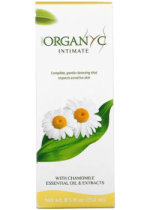
Organ(y)c’s hygiene wash is certified organic by the ICEA; therefore, it’s paraben, SLES and SLS free. This vegan formula is calming, cooling and great for sensitive skin for gentle everyday cleansing. Formulated with chamomile essential oils and extracts, this scent offers a soothing aroma that will transport you to a serene spa. As a bonus, their packaging is made of recycled and renewable ma...
+ Earn 12 Reward PointsSale: $12.99
Reg.: $14.62 (Save $1.63)
In Stock -
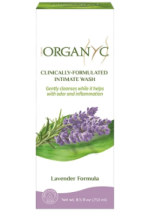
Made with organic, natural ingredients, Organ(y)c’s hygiene wash is formulated without the use of parabens, SLES’s, SLS’s and artificial fragrance. It offers calming and cooling properties, while the natural lavender scent from essential oils and extracts offers a relaxing aroma that’s great for night time baths and showers. This gentle cleansing wash is ideal for sensitive skin and daily use. ...
+ Earn 11 Reward PointsSale: $11.99
Reg.: $13.72 (Save $1.73)
In Stock -
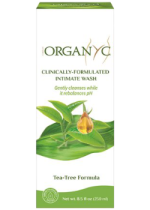
This certified organic hygiene wash from Organ(y)c will make you feel fresh. Formulated without the use of parabens, artificial fragrances, SLS and SLES’s, you can feel confident about your health when using this daily wash. Scented with natural tea tree essential oils and extracts, this wash is safe for sensitive skin and Organ(y)c also keeps the environment in mind by using recycled, renewabl...
+ Earn 11 Reward PointsSale: $11.99
Reg.: $13.72 (Save $1.73)
In Stock
Embracing Women's Health & Understanding Feminine Hygiene
One significant development in feminine hygiene is the menstrual equity movement, which advocates for greater accessibility to menstrual products and an end to period poverty. Activists and organizations have raised awareness about the financial burden that menstruation can impose on individuals who struggle to afford menstrual products. This has led to initiatives to provide free or low-cost products in schools, workplaces, and public spaces.
With the increase in the availability of feminine hygiene products, there has also been an increase in the types of feminine hygiene products sold in stores and online. These include menstrual pads, tampons, panty liners, cups, and underwear specially designed with built-in absorbent layers to protect against the menstrual flow. Other feminine hygiene products include intimate washes and wipes.
Menstruation & Society
The attitude towards menstruation and premenstrual symptoms (PMS) has evolved significantly over time (in North America, anyway,) but sadly, it still carries some stigma and cultural taboo. Historically, menstruation was often considered private and not openly discussed in public. However, in recent years, there has been a growing movement to challenge the silence and shame surrounding menstruation, leading to increased awareness and discussions on the topic.
Conventional Vs. Natural Feminine Hygiene Products
While we have made great strides in normalizing menstruation in recent years, many feminine hygiene products have come under scrutiny due to concerns about their potentially problematic ingredients. These include:
Synthetic Fragrances – which can cause skin irritation and allergic reactions. Most problematic is the fact that these fragrances are often undisclosed on product labels due to trade secret laws.
Chlorine and Dioxins – Chlorine bleaching processes used in the production of tampons and pads can result in the formation of dioxins, which are environmental pollutants linked to various health issues.
Rayon and Synthetic Fibres – Tampons and pads may contain rayon or other synthetic fibres that enhance absorbency. Concerns have been raised about the potential for these fibres to leave behind residue and increase the risk of toxic shock syndrome (TSS) associated with tampon use.
Phthalates – Phthalates are a group of chemicals used to make plastics more flexible and are commonly found in plastic tampon applicators. Studies have shown a link between phthalate exposure and endocrine disruption.
Pesticide Residues – Cotton is a commonly used material in tampons and pads, and concerns about pesticide residues from conventional cotton farming have been raised. Organic cotton products are a far better alternative, as they are grown without synthetic pesticides.
In addition to health risks, disposable feminine hygiene products, such as pads and tampons, have several other inherent problems, including their environmental impact. Indeed, disposable feminine hygiene products significantly contribute to environmental pollution, as they are primarily made of plastic and other non-biodegradable materials. In fact, according to estimates, a single pad or tampon can take hundreds of years to decompose. Their disposal contributes to overflowing landfills and can harm marine life when they end up in water bodies. Fortunately, there are natural alternatives which are safer for human health and the planet.
Natural Feminine Hygiene Products
Natural feminine hygiene products are widely available online and in most health food stores. They aim to provide safer and more environmentally friendly alternatives to conventional products. These typically tick a few crucial health and safety boxes, such as:
Organic Cotton – Many natural pads, tampons, and liners are made from organic cotton, grown without synthetic pesticides or fertilizers.
Bamboo Fiber – Some feminine hygiene products contain bamboo fibre, a sustainable and biodegradable material known for its superior absorbency.
Chlorine-Free – Natural products are processed without chlorine bleaching, which helps reduce the potential for dioxin and other harmful chemicals associated with conventional bleaching methods.
Fragrance-Free – Typically, natural products are fragrance-free or use natural fragrance alternatives to eliminate the risk of irritation or allergic reactions.
Biodegradable or Compostable Packaging – In line with their eco-friendly ethos, many natural feminine hygiene brands utilize biodegradable or compostable packaging materials to reduce waste.
Shop Confidently For Feminine Hygiene Products
Some of the most popular natural feminine hygiene brands include Natracare, Organyc, Diva Cup, and Boo Bamboo. Visit your neighbourhood health food store or online supplement retailer to discover their selection today.
Back to Top ↑








