

Menstrual Cups
What Are Menstrual Cups?
Though they may be new to you, menstrual cups have a long and fascinating history that spans several centuries. In fact, the earliest iteration of the menstrual cup can be traced back to the 19th century, when the first patent for a menstrual cup was filed by an American woman named Hiram Hutchinson in the 1960s. Her design featured a rubber cup with a small hole at the bottom. Read more >-

THE DIVA CUP WILL SAVE YOU MONEY AND HASSLE The Diva Cup to the rescue!!! The Diva Cup is a non-absorbent menstrual cup that simply collects menstrual flow. It is inserted in the vagina and sits at the lower base of the vaginal canal. It is worn internally, yet because it is soft and smooth, it cannot be felt nor will it leak when inserted properly. The Diva Cup is the most clean and convenien...
+ Earn 117 Reward PointsSale: $39.99
Reg.: $44.99 (Save $5.00)
In Stock -
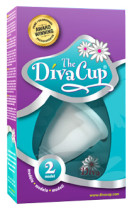
THE DIVA CUP WILL SAVE YOU MONEY AND HASSLE The Diva Cup to the rescue!!! The Diva Cup is a non-absorbent menstrual cup that simply collects menstrual flow. It is inserted in the vagina and sits at the lower base of the vaginal canal. It is worn internally, yet because it is soft and smooth, it cannot be felt nor will it leak when inserted properly. The Diva Cup is the most clean and convenien...
+ Earn 117 Reward PointsSale: $39.99
Reg.: $44.99 (Save $5.00)
In Stock
Discover the Benefits of Menstrual & Diva Cups for Feminine Care
Though they may be new to you, menstrual cups have a long and fascinating history that spans several centuries. In fact, the earliest iteration of the menstrual cup can be traced back to the 19th century, when the first patent for a menstrual cup was filed by an American woman named Hiram Hutchinson in the 1960s. Her design featured a rubber cup with a small hole at the bottom. However, the idea didn't gain much popularity during that time, possibly due to the social taboos surrounding menstruation (something that has fortunately evolved somewhat since then). Today there are many menstrual cups on the market including the popular, diva cup.
Flash forward to the early 20th century with the introduction of several reusable menstrual cup designs, including the Tassaway brand made from latex rubber. In the late 1980s, a US midwife invented The Keeper, Inc., reintroducing menstrual cups to the market. This one was made from natural gum rubber and was an eco-friendly and reusable feminine hygiene product.
The early 2000s marked a significant turning point for menstrual cups. With increasing awareness about sustainability and environmental impact, more companies began manufacturing and promoting menstrual cups. Brands like Diva Cup, MoonCup, and Lunette gained significant popularity, offering cups made from medical-grade silicone instead of rubber. Today, menstrual cups have become widely embraced by people seeking sustainable and cost-effective alternatives to traditional menstrual products. Not only do they help reduce waste, but they also provide a longer-lasting leak-free period.
Comparing Menstrual Cups with Traditional Pads and Tampons
The growing popularity of menstrual cups can be attributed to a variety of factors, including:
Environmentally friendly: Menstrual cups are reusable and can last several years, whereas pads and tampons are disposable and contribute significantly to waste.
Cost-effective: While menstrual cups may have a higher upfront cost than pads and tampons, they can save money in the long run. Since cups are reusable, you don't need to continuously purchase disposable products every month. Over time, this results in substantial savings.
Extended wear time: Menstrual cups can be worn for up to 12 hours, depending on your flow. This means you can go longer without emptying or changing the cup, providing more convenience and flexibility than pads and tampons, which usually need to be changed every few hours.
Leak-proof and odour-free: When inserted correctly, menstrual cups create a seal against the vaginal walls, preventing leaks. Moreover, they can hold more fluid than tampons or pads, reducing the chances of accidents. Additionally, unlike pads, menstrual cups don't come into contact with the air, reducing the likelihood of odour.
Comfort and freedom of movement: Menstrual cups are made of flexible, medical-grade silicone or latex, which makes them comfortable to wear. Unlike tampons, they don't absorb natural vaginal moisture, reducing the risk of dryness and discomfort. With a cup, you can engage in various physical activities like swimming, running, and yoga without worrying about leaks or discomfort.
Health benefits: Menstrual cups do not contain chemicals or synthetic fibres that are present in most conventional disposable pads and tampons. This makes them a safer option for those with sensitivities or allergies. Cups also don't disrupt the natural pH balance of the vagina, reducing the risk of infections.
Step-by-Step Guide on How to Use a Menstrual Cup or Diva Cup
Inserting a menstrual or diva cup can be tricky at first, but it becomes easy with practice. Here's a step-by-step guide on how to insert a menstrual cup:
- Wash your hands thoroughly with natural, chemical-free soap and water before handling the menstrual cup.
- Find a comfortable position. You can either stand with one leg raised, sit on the toilet, or squat down.
- Fold the menstrual cup: There are different folding methods you can try. The most common are the "C-fold" and the "punch-down fold." To do the C-fold, press the rim of the cup down and fold it in half so it forms a "C" shape. For the punch-down fold, push the rim of the cup down into the middle of the cup, making it look like a narrow triangle.
- Hold the folded cup firmly between your thumb and forefinger.
- Slowly insert the folded cup into your vagina at a slight angle, aiming it towards your tailbone rather than directly upwards. Insert it until the base of the cup is inside, but leave the stem outside your body for easy removal later.
- Release the fold and let the cup open. You can rotate it slightly or gently tug it to ensure it's fully open and creating a seal.
- Check the placement of the cup. Run your finger along the cup's base to ensure it has fully unfolded and created a proper seal. If you feel any folds or dents, gently twist the cup, or give it a slight tug to help it open up fully.
After the cup is in place, give it a gentle push upwards to ensure it's sitting comfortably below your cervix.
Remember, it might take a few tries to get the hang of inserting a menstrual cup correctly. Be patient and give yourself time to practice.
Back to Top ↑








