

Kelp
Kelp Supplements
Kelp is a large brown seaweed that belongs to the Laminariales family. It is commonly found in underwater kelp forests and plays a vital role in marine ecosystems since it provides a habitat and food source for many marine organisms. Many species of fish, invertebrates, and other marine creatures like seabirds, sea lions, sea otters and grey whales depend on kelp forests for shelter, reproduction, and feeding. Kelp can also be found as a nutrient dense supplement. Read more >-
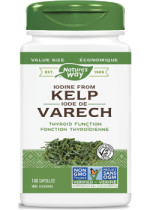
600MG CAPSULE FORM NORWEGIAN KELP Nature's Way kelp is sourced only from deep water in order to maintain a pure and toxin free supplement. Kelp harvested from inshore plants can often contain pollutants because waters closer to shore can contain more pollutants that offshore waters. Easy to swallow capsule form maximizes digestion and absorption. LARGER, MONEY SAVING 180 CAP BOTTLE! [CAPSULE]
+ Earn 16 Reward PointsSale: $16.49
Reg.: $22.99 (Save $6.50)
In Stock
Explore the Benefits of Kelp Supplements
Kelp is a large brown seaweed that belongs to the Laminariales family. It is commonly found in underwater kelp forests and plays a vital role in marine ecosystems since it provides a habitat and food source for many marine organisms. Many species of fish, invertebrates, and other marine creatures like seabirds, sea lions, sea otters and grey whales depend on kelp forests for shelter, reproduction, and feeding. Kelp can also be found as a nutrient dense supplement.
These underwater ecosystems are known for their high biodiversity and are essential to the health and stability of coastal ecosystems. Kelp forests are commonly found in cold, nutrient-rich waters along the coastlines of the world, most notably along the coasts of California, Alaska, Japan, and other regions with ideal growing conditions.
In addition to its ecological benefits, kelp has many other important uses. It has been traditionally harvested for food in many cultures, particularly in East Asia, where it is used in soups, salads, and sushi. Kelp is also used to produce various products, including fertilizers, animal feed, cosmetics, and pharmaceuticals. Kelp, of course, is also a popular dietary supplement thanks to its rich nutritional profile. Let’s explore its nutritional benefits.
Nutritional Profile of Kelp: A Natural Source of Vitamins and Minerals
Kelp is a natural source of vitamins C, K, several B vitamins, and minerals such as calcium, magnesium, iron, zinc and selenium, and it is especially rich in iodine. iodine is a vital mineral necessary for the proper functioning of the thyroid gland. The iodine in kelp can help support healthy thyroid function since the thyroid gland uses iodine to produce thyroid hormones, which are crucial to regulating metabolism, energy production, and growth. Because of this, kelp supplementation has been shown beneficial for the support of weight management and to speed up fat metabolism and thermogenesis, or heat production in the body.
Kelp also contains potent antioxidants, such as fucoxanthin and phlorotannin, which help protect the body's cells from oxidative damage caused by free radicals. In addition, because kelp is a good source of dietary fibre, supplementation can help improve digestion and promote regular bowel movements.
Guide to Purchasing Kelp Supplements
Kelp is available in various forms, including dried in flattened strips or sheets often used in Asian cuisines, particularly in Japanese cuisine, for making dashi broth, sushi rolls, and salads. It's also available in powder form, convenient for sprinkling on dishes or adding to smoothies and beverages. Kelp can also be purchased as noodles for use in salads, stir-fries, and raw food recipes. Of course, kelp can also be purchased as supplements in capsules or tablets and in liquid tincture form.
Key Considerations for Using Kelp Supplements Effectively
The recommended daily dose of kelp can vary depending on factors such as age, overall health, and the specific product being used. However, it's important to note that kelp is extremely rich in iodine; the recommended daily intake of iodine for adults is typically around 150 micrograms (mcg). Your kelp supplement should specify how much iodine is supplied per serving. Always follow the dosing instructions on the product you purchase for optimal efficacy and safety.
If you need help determining the appropriate dose of kelp for you, consult a knowledgeable healthcare practitioner or a registered dietitian who can provide personalized recommendations. They will consider your dietary needs, potential iodine deficiencies, and any existing health conditions or medications that may interact with kelp supplements.
Back to Top ↑








