

Salts
Benefits of Salts
Salt is a mineral compound composed primarily of sodium chloride (NaCl). However, various forms of salt are available, each with unique characteristics and flavours due to differences in mineral content and processing methods. Some of the most common salt forms include Halite, Himalayan, table salt, sea salt, bath salts, and seaweed salt. Some forms of salt have better health benefits than others. Read more >-
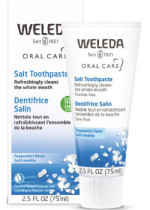
HELPS PROTECT AGAINST PLAQUE BUILD-UPWeleda offers Teeth in need of a whitening scrub-down get sensational cleaning with the remarkable Salt Toothpaste. It's a full oral cleansing that helps prevent the buildup of plaque and cares for your gums. Salt Toothpaste includes sea salt to create a powerful natural cleanser and whitener for your teeth. Your gums are purified and stimulated by organic b...
+ Earn 8 Reward PointsSale: $8.99
Reg.: $10.99 (Save $2.00)
In Stock
The Vital Role of Salt in Human Health
Exploring Different Types of Natural Salts
Salt is a mineral compound composed primarily of sodium chloride (NaCl). However, various forms of salt are available, each with unique characteristics and flavours due to differences in mineral content and processing methods. Some of the most common salt forms include Halite, Himalayan, table salt, sea salt, bath salts, and seaweed salt. Some forms of salt have better health benefits than others. Let's examine how each of these differs, how they are used, and their composition.
Halite Salt
Halite, also known as rock salt, is a crystalline form of salt typically found in large underground deposits and is commonly mined. Over 40% of the salt is used in the chemical industry (mainly for preparing sodium hydroxide, soda ash, hydrochloric acid, chlorine, and metallic sodium), and another 40% is used as a de-icer on roads in winter. The remaining is used for manufacturing rubber and other goods, agriculture, and food processing, including table salt.
Himalayan Salt Health Benefits
This type of salt is harvested from the Khewra Salt Mine in the Himalayan region of Pakistan. It is known for its distinctive pink colour, which comes from trace minerals present in the salt, such as magnesium, potassium, calcium, iron, zinc, copper, manganese, chromium, and iodine. However, the chemical composition of Himalayan pink salt can vary slightly depending on the specific location in the mine and the processing methods used. Himalayan salt is often used in cooking and as a finishing salt.
Table Salt
Table salt is the most common salt used for everyday cooking and seasoning. It is typically refined and processed to remove impurities, resulting in a fine texture. Table salt is generally iodized, an essential nutrient that helps prevent iodine deficiency disorders. This process has been practiced in Canada since 1924 to counteract widespread iodine deficiency. While inexpensive and readily available, table salt is not considered the best because of processing and the use of additives, including dextrose (sugar), that are added to prevent oxidizing and evaporating. In addition, the refining process can remove many trace minerals naturally present in salt, such as magnesium, potassium, and calcium, so the end result is significantly less nutritious.
Sea Salt Health Benefits
Sea salt is produced by evaporating seawater, leaving salt crystals behind. It is available in various coarseness levels and contains healthy benefits from trace minerals such as magnesium, potassium, calcium, and iron. These minerals are essential for multiple bodily functions, including nerve transmission, muscle contraction, and electrolyte balance. Sea salt is favoured by most health-conscious individuals for its enhanced flavour and denser nutrient profile.
Bath Salts
Bath salts are not meant for consumption but are used in bathing for other health benefits like relaxation and offer numerous skin health benefits. They are typically made by combining minerals and compounds, such as Epsom salt (magnesium sulphate), sea salt, essential oils, and fragrance oils (a word of caution: always look for strictly natural fragrances).
Seaweed Salt
Seaweed salt is a type of salt that is made by combining sea salt with dried seaweed. It is typically composed of 85% sodium chloride (NaCl), 10% Magnesium chloride (MgCl2), 3.7% Magnesium sulphate (MgSO4), 0.14% Calcium sulphate (CaSO4), and 0.07% Potassium chloride (KCl). This salt is commonly used in Japanese cuisine because the seaweed imparts a distinct and lovely umami flavour, adding depth to dishes as well as offering health benefits from its mineral composition.
The Risks of Excessive Salt Consumption
Salt plays a vital role in the human body. It is essential for maintaining fluid balance, nerve function, and muscle contraction. However, excessive salt intake can have extremely harmful health effects. Indeed, too much salt can lead to hypertension, fluid retention, kidney issues, osteoporosis, and fluid imbalance, to name but a few. As a frame of reference, Health Canada recommends consuming between 1,500mg and 2,300mg (1.5 – 2.3g) daily for healthy adults. Yet, a mere tablespoon (6g) of salt supplies 2,400 mg of sodium. Unsurprisingly, statistics tell us that most of us eat twice the recommended sodium intake, increasing our risk of disease.
Alternatives to Salt for Health-Conscious Diets
Salt alternatives are a great way to reduce sodium intake without compromising on flavour. Herbamare is an excellent multi-purpose seasoning that's great for those watching their sodium intake, and it can also be used by those following a low-sodium diet. The salt alternative comes in a few different iterations and features only fresh organic herbs, vegetables, and spices. Herbamare comes in Original, Spicy, as well as non-sodium versions.
Lemon juice, vinegar, and nutritional yeast are other wonderful ways to liven up meals without adding sodium when you're watching your intake.
Back to Top ↑








