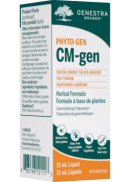
- 0.009ml
- Silver Linden Bud Extract (Tilia tomentosa) (1:20) (0.47 mg Dried Equivalent)
- 0.009ml
- Fig Bud Extract (Ficus carica) (1:20) (0.47 mg Dried Equivalent)
- 0.009ml
- Hawthorn Bud Extract (Crataegus laevigata) (1:20) (0.47 mg Dried Equivalent)
Purified water, ethanol (grain), glycerin.
Ask a healthcare practitioner before use if you are pregnant or breastfeeding. When using this product consult a healthcare practitioner if symptoms persist or worsen. Keep out of reach of children.
 Liquid
15ml
Take 10 drops once daily or as recommended by your health care practitioner. Invert bottle to 45 degrees and shake lightly allowing drops to fall directly into mouth or in 7 ml (1/4 oz.) of water
- Herbal Formula
- Helps to restore tranquility
- Assists in balancing the stresses of daily living
- Benefits psychosomatic distress and emotional hypersensitivity issues
- Vegan, free from gluten, dairy and soy

Evidence-Based Natural Health Supplements for Optimal Wellness
Genestra delivers professional-grade products that are offered in a variety of formats. Genestra natural health products have been proven safe, effective and reliable for over 30 years, and are backed by clinical evidence. Genestra brings you HMF Forte, HMF Immune, HMF UTI, Digest Plus, Probiotics, D-Mulsion and Super EFA Liquid. Read more >- Reviews
- POST A NEW REVIEW
Reviews By Rating
helpful votes
0
0 customers found this product review helpful
ANXIETY
What Is Anxiety?
Anxiety is a normal reaction to stress. In most cases, anxiety is due to thoughts or emotions. It starts with our perception of a situation. Our body reacts to a perceived threat the same way it would if there was an actual threat. It becomes pathological when it becomes constant and/or when it prevents us from our normal activities of daily living. At this point, it is most often referred to as an anxiety disorder. How anxiety manifests in the body, and the severity with which it manifests, varies significantly between individuals.
What Does Anxiety Look Like?
Anxiety symptoms can be mild, such as sweaty palms, a flushed face or a mildly increased heart rate. More intense bouts of anxiety are often referred to as panic attacks. Individuals are often overwhelmed with both physical and emotional sensations of impending death. For some, these attacks are unpredictable, while for others they are situational (public speaking, heights, crowds, etc). Avoidance of these situations can often prevent their occurrence. Common symptoms include sweating, shaking, heart pounding, dizziness, shortness of breath, numbness/tingling, intense heat or chills and chest pain.
The Many Causes Of Anxiety
The causes of anxiety are just as varied and individualized as the symptoms. Stress can both predispose us to attacks, as well as decrease our ability to cope with anxiety when it happens in acute situations.
For some individuals there is a clear genetic component, some studies have shown that specific areas in the brain, the amygdala and hippocampus. Sleeping and eating habits, as well as availability or a lack of social support, can also greatly impact our ability to cope effectively with difficult challenges. There are also theories that relate anxiety to "chemical imbalances in the brain", more specifically, serotonin imbalances. Medical conditions such as hypoglycemia, hyperthyroidism, strokes, mitral valve prolapse, iron deficiency anemia or adrenal tumours cause the nervous system to respond with anxiety symptoms.
Back to Top ↑