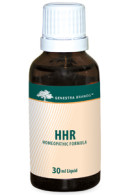
Formula:
- 10 X
- Cardinum (Heart)
- 3 X
- Cactus grandiflorus (Night Blooming Cereus)
- 3 X
- Convallaria majalis (Lily of the Valley)
- 3 X
- Valeriana officinalis (Valerian)
- 4 X
- Veratrum album (White Hellebore)
- 5 X
- Spigelia marilandica (Pink-root)
- 6 X
- Aurum muriaticum (Gold Chloride)
- 6 X
- Arnica montana (Leopard's Bane)
- 6 X
- Digitalis purpurea (Foxglove)
Important Information:
Consult a health care practitioner if symptoms persist or worsen.
Format
 Liquid
30ml
Dosage
Adults and Children (12+ years): Take ten drops two to three times daily, or as recommended by your health care practitioner.
Children (1-11 years): Take five drops two to three times daily or as recommended by your health care practitioner. To be taken 20 minutes away from food. Place drops directly under the tongue or into 1/4 oz of water.
Product Information:
- Organotherapy and homeopathic remedy
- Rabbit heart
- Includes Botanicals & Minerals
- Support the Cardiovascular system
- Convenient liquid format

Evidence-Based Natural Health Supplements for Optimal Wellness
Genestra delivers professional-grade products that are offered in a variety of formats. Genestra natural health products have been proven safe, effective and reliable for over 30 years, and are backed by clinical evidence. Genestra brings you HMF Forte, HMF Immune, HMF UTI, Digest Plus, Probiotics, D-Mulsion and Super EFA Liquid. Read more >What Customers Are Saying:
- Reviews
- POST A NEW REVIEW
More Info
HHR CARDIO DROPS IS A HOMEOPATHIC AND ORGANOTHERAPY PREPARATION WITH HEART, MULTIPLE BOTANICALS AND A MINERAL IN A CONVENIENT LIQUID FORMAT THAT SIMPLIFIES DOSING.
Heart Health
The cardiovascular system consists of the heart and approximately 60 thousand miles of blood vessels, called arteries and veins. The heart pumps blood around the body. The vessels nourish cells by transporting nutrients and waste products, through the blood, around the body.
Any interruption in blood supply, for example a heart attack or stroke, causes tissue death so the maintenance of a healthy cardiovascular system is essential.
Most cardiovascular disease occurs due to lifestyle factors such as: 1. Obesity, poor nutrition, and medication usage. 2. Free radical damage due to environmental toxins or smoking. 3. Stress or poor emotional health. 4. Lack of exercise.
High Cholesterol
Cholesterol is not all bad; it is the amount and the ratio of the various forms of cholesterol that are a health concern. LDL (low density lipoprotein) cholesterol is fat that is being transported from the liver for use by your cells. It is commonly called bad cholesterol. HDL (high density lipoprotein) cholesterol is called good cholesterol because it is fat that is being taken unused cholesterol from your cells back to the liver, where it is broken down. Cholesterol levels are unhealthy if you have lots of circulating LDL, not enough HDL or a combination of the two.
High Cholesterol contributes to heart disease when the fatty molecules build up on the inside of arteries. This leads to a decrease in the flexibility and elasticity of the walls. As the artery becomes narrower, decreased circulation leads to high blood pressure because the body struggles to maintain enough blood flow to its tissues. Pieces of the cholesterol plaque can break off or the turbulent flow of blood can cause clots to form. If the pieces or clots lodge in smaller vessels this leads to heart attack or stroke.
Dietary cholesterol is different than the serum cholesterol mentioned above. Although eating foods that are high in cholesterol does raise serum cholesterol levels the liver is responsible for making cholesterol when needed. Thus a cholesterol reduction plan should include a low cholesterol diet with other treatments to help to reduce serum cholesterol. Genetics also plays a role in high cholesterol.
Arteriosclerosis and atherosclerosis
Occurs when deposits build-up on the inside of the arteries. This leads to a decrease in the flexibility and elasticity of the walls. Deposits can be made of calcium (arteriosclerosis) or fatty substances like cholesterol (atherosclerosis). Decreased circulation leads to high blood pressure as the body struggles to maintain enough blood flow to its tissues. Pieces of the deposits can break off or the turbulent flow of blood can cause clots to form. If the pieces or clots lodge in smaller vessels this leads to heart attack or stroke. Heart attack occurs when the vessels to the heart become blocked, or sufficiently constricted, to reduce blood flow to an area of the heart muscle. The muscle begins to die which leads to permanent heart damage. The cause of the constriction can be an atherosclerotic plaque, a piece of tissue, an air bubble or a blood clot.
High Blood Pressure
Hypertension or high blood pressure is known as a silent killer because people often do not know that they have it until the body is already damaged. If you think that you are at risk, it is important to have your blood pressure monitored regularly, because hypertension can lead to heart attacks, strokes, kidney failure and retinal (eye) damage.
Most people are do no have symptoms because their blood pressure rises slowly over many years. Symptoms of fluctuating blood pressure may be present and include headaches, dizziness, fatigue, nosebleeds and flushed cheeks. Symptoms of decreased circulation can accompany high blood pressure and include angina, leg pain, forgetfulness and ringing in the ears. Official diagnosis of hypertension is made when blood pressure readings over 140/90 are found on at least three occasions. In people over 50 the exact reading necessary to diagnose hypertension can be variable. A single reading of high blood pressure is generally not accepted as official because environmental factors such as stress and the amount of salt recently eaten can skew the reading.
Your blood pressure is measured in two ways: when the heart is beating (systolic) and in between beats (diastolic). The first (higher) number is the systolic and the second (lower) number is the diastolic pressure. If you have consistently high blood pressure, you might consider purchasing a digital blood pressure cuff which conveniently allows you to measure your own blood pressure in your own home or office.
Heart Health
The cardiovascular system consists of the heart and approximately 60 thousand miles of blood vessels, called arteries and veins. The heart pumps blood around the body. The vessels nourish cells by transporting nutrients and waste products, through the blood, around the body.
Any interruption in blood supply, for example a heart attack or stroke, causes tissue death so the maintenance of a healthy cardiovascular system is essential.
Most cardiovascular disease occurs due to lifestyle factors such as: 1. Obesity, poor nutrition, and medication usage. 2. Free radical damage due to environmental toxins or smoking. 3. Stress or poor emotional health. 4. Lack of exercise.
High Cholesterol
Cholesterol is not all bad; it is the amount and the ratio of the various forms of cholesterol that are a health concern. LDL (low density lipoprotein) cholesterol is fat that is being transported from the liver for use by your cells. It is commonly called bad cholesterol. HDL (high density lipoprotein) cholesterol is called good cholesterol because it is fat that is being taken unused cholesterol from your cells back to the liver, where it is broken down. Cholesterol levels are unhealthy if you have lots of circulating LDL, not enough HDL or a combination of the two.
High Cholesterol contributes to heart disease when the fatty molecules build up on the inside of arteries. This leads to a decrease in the flexibility and elasticity of the walls. As the artery becomes narrower, decreased circulation leads to high blood pressure because the body struggles to maintain enough blood flow to its tissues. Pieces of the cholesterol plaque can break off or the turbulent flow of blood can cause clots to form. If the pieces or clots lodge in smaller vessels this leads to heart attack or stroke.
Dietary cholesterol is different than the serum cholesterol mentioned above. Although eating foods that are high in cholesterol does raise serum cholesterol levels the liver is responsible for making cholesterol when needed. Thus a cholesterol reduction plan should include a low cholesterol diet with other treatments to help to reduce serum cholesterol. Genetics also plays a role in high cholesterol.
Arteriosclerosis and atherosclerosis
Occurs when deposits build-up on the inside of the arteries. This leads to a decrease in the flexibility and elasticity of the walls. Deposits can be made of calcium (arteriosclerosis) or fatty substances like cholesterol (atherosclerosis). Decreased circulation leads to high blood pressure as the body struggles to maintain enough blood flow to its tissues. Pieces of the deposits can break off or the turbulent flow of blood can cause clots to form. If the pieces or clots lodge in smaller vessels this leads to heart attack or stroke. Heart attack occurs when the vessels to the heart become blocked, or sufficiently constricted, to reduce blood flow to an area of the heart muscle. The muscle begins to die which leads to permanent heart damage. The cause of the constriction can be an atherosclerotic plaque, a piece of tissue, an air bubble or a blood clot.
High Blood Pressure
Hypertension or high blood pressure is known as a silent killer because people often do not know that they have it until the body is already damaged. If you think that you are at risk, it is important to have your blood pressure monitored regularly, because hypertension can lead to heart attacks, strokes, kidney failure and retinal (eye) damage.
Most people are do no have symptoms because their blood pressure rises slowly over many years. Symptoms of fluctuating blood pressure may be present and include headaches, dizziness, fatigue, nosebleeds and flushed cheeks. Symptoms of decreased circulation can accompany high blood pressure and include angina, leg pain, forgetfulness and ringing in the ears. Official diagnosis of hypertension is made when blood pressure readings over 140/90 are found on at least three occasions. In people over 50 the exact reading necessary to diagnose hypertension can be variable. A single reading of high blood pressure is generally not accepted as official because environmental factors such as stress and the amount of salt recently eaten can skew the reading.
Your blood pressure is measured in two ways: when the heart is beating (systolic) and in between beats (diastolic). The first (higher) number is the systolic and the second (lower) number is the diastolic pressure. If you have consistently high blood pressure, you might consider purchasing a digital blood pressure cuff which conveniently allows you to measure your own blood pressure in your own home or office.
Back to Top ↑