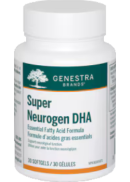
Each capsule contains:
- 606 mg
- Algal Oil (from Schizochytrium sp.)
- 200 mg
- DHA (Docosahexaenoic Acid)
Non-Medicinal Ingredients:
Bovine gelatin, glycerin, purified water, turmeric, annatto seed extract
Bovine gelatin, glycerin, purified water, turmeric, annatto seed extract
Important Information:
Contains: Soy
Warning: This product has come into contact with soy. Do not use this product if you have a soy allergy.
Guaranteed to contain no added wheat, starch, yeast, gluten, corn, sodium, sugar, artificial colouring or flavouring, antimicrobial preservatives or dairy products.
Format
 Softgels
30 Softgels
Dosage
Adults: Take one capsule two times daily with meals or as recommended by your healthcare practitioner.
Product Information:
- 200 mg DHA per dose
- Helps support neurological function
- Dricelle patented process 100% emulsification of oil into micelle droplets
- Purity guaranteed
- No artificial colours, flavours or preservatives

Evidence-Based Natural Health Supplements for Optimal Wellness
Genestra delivers professional-grade products that are offered in a variety of formats. Genestra natural health products have been proven safe, effective and reliable for over 30 years, and are backed by clinical evidence. Genestra brings you HMF Forte, HMF Immune, HMF UTI, Digest Plus, Probiotics, D-Mulsion and Super EFA Liquid. Read more >What Customers Are Saying:
- Reviews
- POST A NEW REVIEW
More Info
SUPER NEUROGEN DHA CONTAINS ESSENTIAL DHA
DHA: The Brain EFA
Docosahexanoic acid is an omega 3 essential fatty acid. It is an essential component of the brain and central nervous system. It seems to concentrate in areas where there is lots of electrical activity such as the synaptosomes, where nerve cells communicate, and the photoreceptors of the eye. This is why a deficiency of DHA can result in poor brain development, attention/deficit hyperactivity disorder, learning disorders, memory problems and poor visual development.
EPA: The Heart EPA
Eicosapentaenoic acid is an omega 3 essential fatty acid. It is an important fatty acid in the maintenance of cardiovascular health and the regulation of inflammation. EPA is a precursor to a series of chemicals whose job it is to regulate the inflammatory effects of arachidonic acid. Too much arachidonic acid leads to pain and inflammation in conditions such as arthritis. Arachidonic acid also causes inflammation in arteries and leads to the development of atherosclerotic plaques. Deficiency of EPA can result in cardiac arrhythmias, high cholesterol and excessive aging. EPA has been used to treat heart disease, arthritis and other inflammatory conditions.
Benefits of Omega3
-Reduce your risk of cardiovascular diseases.
-Improve overall heart functions.
-Reduce triglycerides and increase HDL Cholesterol ("the good cholesterol").
-Reduce inflammation in the joints and elsewhere in the body.
-Promote healthy brain function by enhancing concentration and attentiveness.
-Promotes healthy moods and a sense of wellbeing.
-Improve skin health including dry skin, eczema, psoriasis.
-Improve your immune system.
-The omega3 deficiency
The average North American diet is severely deficient in omega3 fatty acids yet excessively high in omega6 fatty acids. Experts suggest a proper omega6 to omega3 ratio is around 1:1 but during this century the ratio has skyrocketed to 20:1 or greater. This imbalance is considered to be a major risk factor for the development of arthritis, cardiovascular disease, and other degenerative diseases that now plague the western world.
Omega3s: fish versus flax
The two omega3 fatty acids required by the body are eicosapentaenoic acid (EPA) and docosahexaenoic acid (DHA). Oils from fatty fish are nature's best source of EPA and DHA. Comparatively, flax seed oil contains a high concentration of omega3s but in a form called alphalinolenic acid (ALA). For the body to use ALA it must first convert it to EPA and DHA. This conversion process is very inefficient and results in less than 10% of the ALA being converted to EPA and DHA
Why are they Essential?
Omega3s (and omega6s) are termed essential fatty acids (EFAs) because they are critical for good health. However, the body cannot make them on its own. For this reason, omega3s must be obtained from food, thus making outside sources of these fats "essential."
Although the body needs both omega3s and omega6s to thrive, most people consume far more 6s than 3s. Hardly a day goes by, however, without reports of another health benefit associated with omega3s. For this reason, many experts recommend consuming a better balance these two EFAs.
DHA: The Brain EFA
Docosahexanoic acid is an omega 3 essential fatty acid. It is an essential component of the brain and central nervous system. It seems to concentrate in areas where there is lots of electrical activity such as the synaptosomes, where nerve cells communicate, and the photoreceptors of the eye. This is why a deficiency of DHA can result in poor brain development, attention/deficit hyperactivity disorder, learning disorders, memory problems and poor visual development.
EPA: The Heart EPA
Eicosapentaenoic acid is an omega 3 essential fatty acid. It is an important fatty acid in the maintenance of cardiovascular health and the regulation of inflammation. EPA is a precursor to a series of chemicals whose job it is to regulate the inflammatory effects of arachidonic acid. Too much arachidonic acid leads to pain and inflammation in conditions such as arthritis. Arachidonic acid also causes inflammation in arteries and leads to the development of atherosclerotic plaques. Deficiency of EPA can result in cardiac arrhythmias, high cholesterol and excessive aging. EPA has been used to treat heart disease, arthritis and other inflammatory conditions.
Benefits of Omega3
-Reduce your risk of cardiovascular diseases.
-Improve overall heart functions.
-Reduce triglycerides and increase HDL Cholesterol ("the good cholesterol").
-Reduce inflammation in the joints and elsewhere in the body.
-Promote healthy brain function by enhancing concentration and attentiveness.
-Promotes healthy moods and a sense of wellbeing.
-Improve skin health including dry skin, eczema, psoriasis.
-Improve your immune system.
-The omega3 deficiency
The average North American diet is severely deficient in omega3 fatty acids yet excessively high in omega6 fatty acids. Experts suggest a proper omega6 to omega3 ratio is around 1:1 but during this century the ratio has skyrocketed to 20:1 or greater. This imbalance is considered to be a major risk factor for the development of arthritis, cardiovascular disease, and other degenerative diseases that now plague the western world.
Omega3s: fish versus flax
The two omega3 fatty acids required by the body are eicosapentaenoic acid (EPA) and docosahexaenoic acid (DHA). Oils from fatty fish are nature's best source of EPA and DHA. Comparatively, flax seed oil contains a high concentration of omega3s but in a form called alphalinolenic acid (ALA). For the body to use ALA it must first convert it to EPA and DHA. This conversion process is very inefficient and results in less than 10% of the ALA being converted to EPA and DHA
Why are they Essential?
Omega3s (and omega6s) are termed essential fatty acids (EFAs) because they are critical for good health. However, the body cannot make them on its own. For this reason, omega3s must be obtained from food, thus making outside sources of these fats "essential."
Although the body needs both omega3s and omega6s to thrive, most people consume far more 6s than 3s. Hardly a day goes by, however, without reports of another health benefit associated with omega3s. For this reason, many experts recommend consuming a better balance these two EFAs.
Back to Top ↑