

Blessed Thistle
Discover Blessed Thistle
The Blessed Thistle (Cnicus Benedictus) is a spiky, grey-green plant cultivated and revered for centuries for its numerous medicinal properties. The plant is also known as holy thistle and spotted thistle. It belongs to the Asteraceae family, indigenous to the Mediterranean region, stretching from Portugal in the west to southern France in the north and extending eastward to Iran. Read more >-
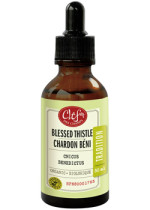
Blessed thistle is primarily used to increase the milk supply of nursing mothers. It is believed to do this by acting on the brain to stimulate the release of prolactin, the hormone responsible for milk production. Clef des Champs organic Blessed thistle is a bitter herb and sold in an organic tincture form. Think of the increase in saliva in your mouth when you taste something bitter. Bitter f...
+ Earn 19 Reward PointsSale: $19.99
Reg.: $21.10 (Save $1.11)
In Stock
What Is Blessed Thistle?
The blessed Thistle (Cnicus Benedictus) is a spiky, grey-green plant cultivated and revered for centuries for its numerous medicinal properties. The plant is also known as holy thistle and spotted thistle. It belongs to the Asteraceae family, indigenous to the Mediterranean region, stretching from Portugal in the west to southern France in the north and extending eastward to Iran.
Historically, blessed Thistle found its place in traditional herbal medicine as a versatile remedy used to address various health concerns, ranging from digestive issues to respiratory ailments. Cnicin is the main active compound in this herb. It is known for its antibacterial and anti-inflammatory properties, making it highly effective at inhibiting the growth and reproduction of many bacteria. In fact, this herb was used as a remedy for the Black Plague during the Middle Ages.
Today, blessed thistle is recognized as a galactagogue to stimulate and increase breast milk production in nursing mothers. This is an important application for mothers experiencing low milk production and other lactation issues. As a galactagogue, blessed thistle is often combined with other plants like milk thistle and fenugreek for synergistic effects. Beyond supporting breastfeeding, modern uses of this herb include promoting digestive health, relieving indigestion, gas, and bloating, supporting liver health and promoting detoxification.
Health Benefits of Blessed Thistle
- Alleviates Indigestion, Gas, And Bloating
- Galactagogue – Promotes Lactation And Increases Milk Production
- Promotes digestive health – Stimulates Appetite
- Relieves Menstrual Discomfort And Regulates The Menstrual Cycle
- Soothes Respiratory Issues, Such As Coughs And Congestion
Who Could Benefit From Blessed Thistle?
While many people may benefit from supplementing with blessed thistle, it may be helpful to those experiencing digestive issues, nursing mothers having lactation challenges, and women looking to increase their milk supply. Furthermore, because of its potent anti-inflammatory properties, individuals dealing with inflammation-related conditions may find supplementation helpful.
Blessed Thistle Supplement Varieties
If you're interested in giving blessed thistle a try, you'll find that it is widely available in health food and supplement stores and online. It is commonly sold as dried herb leaves and flowers, capsules, tinctures, and teas. You can make infusions and decoctions with dried leaves, while capsules offer a convenient and standardized dosage option. Tinctures featuring concentrated liquid extracts are often preferred for their potency.
Most supplements come in 300-450mg potency, to be taken three times a day, though dosing recommendations may vary depending on the intended use. Lactation support typically calls for higher doses.
Key Considerations When Taking This Herb
While Blessed Thistle is generally well tolerated, it may not be suitable for everyone. This includes those on antacid medications, such as proton pump inhibitors or H2 blockers, since the herb can increase stomach acid production. Pregnant women are also recommended to avoid this herb because it can stimulate uterine contractions. Those with gastrointestinal conditions, such as Crohn's disease, should also avoid blessed thistle, as it may irritate the gastrointestinal tract.
Also, it’s important to understand that blessed thistle belongs to the Asteraceae family, which includes ragweed. Those allergic to ragweed or other plants in this family may potentially experience an allergic reaction with blessed thistle supplementation.
Back to Top ↑








