

Green Tea
Selecting Quality Green Tea For Health Benefits
Green tea has experienced a surge in popularity over the last couple of decades, both in the East, where it has been consumed for centuries, and in the West. But what form and variety of green tea is the best? Read more >-
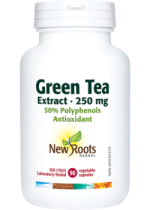
New Roots Herbal’s Green Tea Extract provides 50% polyphenols and is a source of antioxidants for maintaining good health. Free radicals are highly reactive molecules that can damage the body at the cellular level, leaving the body susceptible to degenerative diseases. Green tea is rich in bioflavonoid compounds that help fight damaging free radicals. New Roots Herbal’s Green Tea Extract is sta...
+ Earn 19 Reward PointsSale: $19.99
Reg.: $22.72 (Save $2.73)
Out of Stock
Get Notified When in Stock
Best Green Tea Supplements
Green tea has experienced a surge in popularity over the last couple of decades, both in the East, where it has been consumed for centuries, and in the West. But what form and variety of green tea is the best?
It is one of the most popular and widely consumed types of tea in the world, recognized for its mild flavour, slightly bitter taste, and numerous health benefits. It is distinct from other types of tea, such as black and oolong tea, because it undergoes minimal oxidation during processing. This is what helps to preserve the natural green colour of the tea leaves and the delicate, grassy flavours and aromas.
Its origins can be traced back to ancient China, dating back to the 8th century during the Tang Dynasty, when it became a staple of Chinese culture and cuisine. Green tea production and consumption gradually spread to other East Asian countries, including Japan, Korea, and Vietnam. Each of these regions developed its unique traditions and methods for producing and enjoying green tea.
Today, green tea is used in both culinary and medicinal applications thanks to its rich antioxidant profile, anti-inflammatory properties and numerous demonstrated therapeutic benefits.
Health Benefits of Green Tea
- Aids Blood Sugar Management
- Helps Protect Against Free Radicals
- Promotes Weight Loss/Fat Loss/Stimulates Metabolism
- Sharpens Cognitive Function/Helps Prevent Memory Loss
- Supports Optimal Heart Health
Who Would Benefit From Green Tea?
It offers an impressive range of health benefits, making it an excellent choice for just about anyone seeking to improve their well-being. Those who may most benefit from this tea variety or supplements, include individuals looking to boost their metabolic rate and stimulate weight loss, as the catechins and antioxidants in this tea promote fat oxidation and prolong satiety. It also provides a gentle, sustained source of caffeine, making it a suitable choice for those seeking an alternative to high-caffeine beverages like coffee.
Additionally, the abundance of polyphenols and antioxidants in this tea can help boost overall health and, in turn, reduce the risk of chronic conditions like heart disease. Moreover, its natural calming properties make this tea an excellent option for individuals looking to reduce stress and improve mental focus.
Green Tea Forms & Formats
It is available in various forms, including:
- Fresh tea leaves: can be used directly from the plant, typically within hours of being picked. This is most common in regions where green tea is cultivated, like Japan and China.
- Loose-leaf: consisting of whole or broken tea leaves. It is one of the most popular and traditional ways to enjoy green tea. Loose-leaf tea offers a wide range of flavours and aromas, with options like Sencha, Dragonwell, and Gyokuro.
- Tea bags: a convenient option for those wanting to brew green tea. These bags contain ground or cut tea leaves and are widely available in grocery stores, health food stores, and online. While they may not provide the same flavour complexity as loose-leaf tea, they are convenient for quick preparation.
- Powder or matcha: finely ground powder made from shade-grown tea leaves. It's used in traditional Japanese tea ceremonies and is known for its vibrant green colour and rich, umami flavour. matcha is also used in culinary applications like matcha lattes, ice cream, and baked goods.
- Extracts: concentrated forms of green tea, often found in liquid or capsule form. These extracts can be used as dietary supplements and are known for their numerous health-promoting benefits.
- Supplements: come in various delivery formats, such as capsules, tablets, softgels, powders, and more. They are sold as a standalone nutrient or in combination with other herbals or nutrients, in targeted combination blends for weight management, antioxidant support, mental and physical performance, and others.
Cautions & Potential Side Effects
Though it is generally well tolerated by most people; however, like any food or beverage, it can have potential side effects and interactions. Here are some cautions and possible side effects to be aware of:
Caffeine Sensitivity – Green tea contains caffeine, although it has less caffeine than coffee. If you are sensitive to caffeine, excessive consumption of this tea may lead to side effects such as insomnia, nervousness, increased heart rate, and digestive issues.
Stomach Irritation – Some individuals may experience stomach discomfort or irritation after drinking green tea, especially on an empty stomach. This is more likely to occur if you consume large quantities.
Iron Absorption – Green tea contains compounds called tannins, which can inhibit the absorption of non-heme iron (found in plant-based foods) from your diet. If you have an iron deficiency or are at risk of one, it's advisable to consume green tea between meals, as this reduces the interference with iron absorption.
Blood Thinning – Catechins in green tea have blood-thinning properties. While this can be beneficial for some people, it can be problematic for those taking blood-thinning medications. If you are on such medications, consult your healthcare provider before increasing your green tea intake.
Medicinal Interactions – Green tea can interact with certain medications, including blood pressure medications, anticoagulants, and anti-anxiety drugs. Consult your healthcare provider if you are taking any prescription medications to ensure there are no potential interactions.
Liver Health – There have been rare reports of liver problems associated with excessive green tea consumption or high-dose supplements. While the risk is low, if you have a liver condition, consult your healthcare provider.
Kidney Stones – Some research suggests that the oxalates in green tea may contribute to the formation of kidney stones in susceptible individuals. If you are prone to kidney stones, you may want to limit your consumption.
Allergies – Some people may be allergic to green tea or its components, leading to allergic reactions such as skin rashes, itching, or swelling. If you experience any allergic symptoms after consuming, discontinue use.
Back to Top ↑








