

Red Clover
Red Clover: An Herbal Remedy For Health
Nestled in meadows and fields, Red Clover (Trifolium pratense) is a common sight with a history as rich as its vibrant blooms. This unassuming plant, with its distinct triple-leaf structure, belongs to the legume family (alongside peanuts and beans) and has been used for centuries in all sorts of medicinal applications. Read more >-
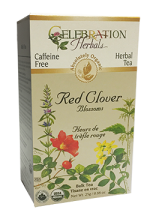
Celebration Herbals Red Clover Blossoms Tea is made with organically grown and prepared red clover, to ensure the natural taste and active properties are enjoyed in every cup of tea. Rich in vitamins, minerals and isoflavones, Red Clover has a long history of being used to reduce inflammation, boost immunity and as a liver and kidney detoxifier. Red clover is also widely used to treat menopausa...
+ Earn 10 Reward PointsSale: $10.99
Reg.: $13.49 (Save $2.50)
In Stock
Red Clover: An Herbal Remedy For Health
Nestled in meadows and fields, red clover (Trifolium pratense) is a common sight with a history as rich as its vibrant blooms. This unassuming plant, with its distinct triple-leaf structure, belongs to the legume family (alongside peanuts and beans) and has been used for centuries in all sorts of medicinal applications. Indeed, from ancient herbalists to modern health enthusiasts, the journey of this herb has been one of discovery and healing.
The plant is native to Europe and Asia, though it has found its way across the globe today. Its adaptability and resilience have made red clover a symbol of fertility and prosperity in various cultures. Moreover, in Celtic folklore, it was associated with good luck and protection against evil spirits.
The secrets behind its therapeutic effects are largely due to its unique biochemical composition that boasts a variety of essential nutrients, including vitamins, minerals, and trace elements. However, the real star of the show is the presence of isoflavones, a class of potent phytoestrogens with estrogen-like effects. These compounds contribute to many of Red Clover's traditional applications, including balancing hormones, alleviating menopause symptoms, improving bone mineral density, reducing the risk for osteoporosis, and decreasing mucus accumulation in the airways and nasal passages.
Who Would Benefit From Red Clover?
In contemporary times, red clover continues to be a sought-after herbal. Here are some key areas where it really shines:
Bone Support – Known to play a role in preventing osteoporosis, with research showing that supplementation can significantly improve bone mineral content and bone turnover and protect bone mass in general. Moreover, since estrogen plays a role in bone metabolism, its decline in postmenopausal women can lead to bone loss. The isoflavones in red clover can help mitigate this loss.
Cardiovascular Health – Research has demonstrated that this herb can effectively help lower cholesterol levels and high blood pressure, promoting heart health and reducing the risk of developing cardiovascular diseases.
Menopausal Support – The benefits of red clover for menopause are attributable to the plant's rich concentration of isoflavones, specifically genistein and daidzein. Phytoestrogens can mimic the effects of estrogen in the body and, as such, help to alleviate hormone-based symptoms such as hot flashes, night sweats and mood swings. Moreover, decreased estrogen during menopause can lead to vaginal dryness and discomfort. The estrogen-like effects of red clover help promote mucous membrane health and can relieve vaginal dryness with regular use.
Natural Diuretic – It's a natural diuretic that can help eliminate water, salt, wastes and toxins from the body, thereby relieving swelling and bloating. This can help lower blood pressure, promote heart health, and bolster the immune system.
Skin Conditions – The anti-inflammatory properties of red clover make it a popular choice for addressing skin conditions like eczema and psoriasis. Moreover, its rich concentration in genistein, daidzein, flavonoids, and others makes it ideally suited to protecting the skin from free radicals, which can cause premature aging and skin damage. Just as importantly, studies have shown that red clover may stimulate collagen production, providing structure and elasticity to the skin.
Red Clover Supplements Varieties
Red clover comes in various forms, each offering unique benefits. In its freshest state, it consists of vibrant, delicate flowers and leaves, rich in phytoestrogens and other health-promoting compounds. Drying the plant preserves its nutritional content, allowing for extended use and storage. Dried red clover can be brewed into teas or incorporated into culinary creations, offering a mild and slightly sweet flavour. Additionally, it is commonly found in supplement forms, such as standardized extracts in capsules, tablets, or tinctures. These provide a more concentrated and convenient way to access the plant's health benefits.
As the potency and concentrations of these supplements can vary wildly, it's important to always follow the dosing instructions on the label of the product you purchase.
Important Considerations & Information
Like most herbals, red clover may have potential side effects and contraindications. These include:
1. Estrogenic Effects: The phytoestrogens in this herb can have estrogen-like effects on the body. While this can be beneficial for menopausal symptoms, it may be a concern for individuals with hormone-sensitive conditions, such as certain types of breast cancer.
2. Blood Clotting: Red clover may have anticoagulant (blood-thinning) properties. Individuals with bleeding disorders or those taking blood-thinning medications should consult their healthcare provider before using red clover.
3. Pregnancy and Breastfeeding: The safety of this herb during pregnancy and breastfeeding is not well-established. Pregnant and breastfeeding women should consult their healthcare provider before using red clover.
4. Stomach Upset: When using red clover, some people may experience mild gastrointestinal upset, such as nausea or diarrhea.
5. Allergic Reactions: Some individuals may be allergic to red clover. This may manifest as skin rashes, itching, or difficulty breathing. If you experience any allergic reactions, discontinue use and seek medical attention.
6. Interactions with Medications: Red clover may interact with certain medications, including hormonal therapies, anticoagulants, and drugs metabolized by the liver. It's essential to inform your healthcare provider about all the medications and supplements you take.
7. Liver Health: There have been rare reports of liver-related side effects with red clover supplements. Individuals with liver conditions or those taking medications that affect the liver should exercise caution.
Back to Top ↑








