

Single Herbal Supplements
Advantages of Single Herb Formulas
Herbalism, the ancient practice of using plants and plant-based remedies for health and healing, has a rich and dynamic history. Over the centuries, it has transformed into a multifaceted tradition that continues to influence modern wellness practices. Read more >-

Rosemary is a well known herb native to the Mediterranean region that has a distinct aroma and grows in sprigs with short, green leaves. It’s earthy, herbaceous and citrus-like aroma is energizing and it blends well with basil, lavender and sage. Organic Connections rosemary is offered as a whole bulk herb that’s certified organic, leaving the soil in tact. While it makes for a great seasoning ...
+ Earn 15 Reward PointsSale: $15.99
Reg.: $19.65 (Save $3.66)
In Stock -
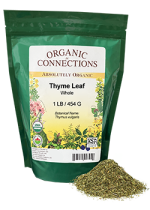
Thyme is an aromatic evergreen herb that belongs to the mint family. The herb has a musty, semi-minty, yet spicy aroma. It’s often found in Italian seasoning blends and has a pronounced, sharp, herbal flavour that’s similar to rosemary. Thyme goes well with pasta, poultry, lasagna’s, casseroles and cheese dishes or can be added to roast vegetables. While it’s known in the culinary world, it’s a...
+ Earn 21 Reward PointsSale: $21.99
Reg.: $27.29 (Save $5.30)
In Stock -
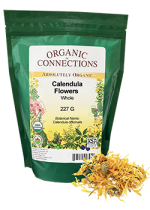
The calendula flower is a small yellow flower, that looks like a cross between a baby sunflower and marigold, which makes sense considering it’s part of the sunflower family. For many years, the flower has been used in herbal combinations supporting muscle spasms and women’s health. Organic Connections harvests the calendula flowers in a way that cares for the planet, following certified organi...
+ Earn 10 Reward PointsSale: $10.99
Reg.: $13.51 (Save $2.52)
Out of Stock
Get Notified When in Stock
-
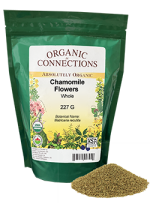
Chamomile is a well-known herb among the general population. Its mild, pleasant taste has made it a favourite tea for centuries for soothing the digestive system and nerves. The word "chamomile" translates from the French root word meaning "earth apple”. The whole organic flowers from Organic Connections are ideal for brewing your own cup of tea before bedtime. Using Eco-friendly practices, Org...
+ Earn 15 Reward PointsSale: $15.99
Reg.: $19.31 (Save $3.32)
Out of Stock
Get Notified When in Stock
-
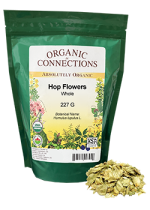
Hop flowers come from the Cannabaceae family of flowering plants, native to Germany and most well known for giving beer a “hop-y” flavour. Hop Flowers are cone shaped and referred to as “hop cones” containing different oils such as lupulin, and oleoresin that provides the intense flavour and aroma found in hops. Hop flowers have a long history of being used in beer to add bitterness, but also a...
+ Earn 41 Reward PointsSale: $41.99
Reg.: $54.58 (Save $12.59)
Out of Stock
Get Notified When in Stock
-

Marjoram has an earthy and woodsy flavour that is best described as warm, sharp and bitter, similar to oregano or thyme. This cold-sensitive perennial herb was known by ancient Greeks and Romans as a symbol of happiness and for its anti-inflammatory, antimicrobial, and antioxidant properties. Enjoy Organic Connections Marjoram Leaf in seasoning soups, stews, salad dressings, sauces, and herbal ...
+ Earn 9 Reward PointsSale: $9.99
Reg.: $12.04 (Save $2.05)
Out of Stock
Get Notified When in Stock
Single Herb Supplements
Herbalism, the ancient practice of using plants and plant-based remedies for health and healing, has a rich and dynamic history. Over the centuries, it has transformed into a multifaceted tradition that continues to influence modern wellness practices. Today, there are a variety of herbal supplements from single herb formulas to combinations.
In ancient times, our ancestors relied on plants for sustenance and healing. Early civilizations in Mesopotamia, Egypt, China, and India cultivated a profound understanding of herbal remedies. The Ebers Papyrus, an Egyptian medical text dating to around 1500 BCE, chronicled a wealth of herbal knowledge.
During classical antiquity, notable figures like Hippocrates and Dioscorides in ancient Greece made significant contributions to herbal wisdom. Dioscorides' "De Materia Medica" became a seminal text in the field.
The 18th and 19th centuries witnessed the continued evolution of herbalism in Europe and the United States. Samuel Thomson promoted native North American herbs in his Thomsonian System of herbal medicine. Meanwhile, eclectic medicine, emphasizing herbal remedies, gained prominence in the United States. The inclusion of herbal medicines in the US Pharmacopeia reflected their importance.
The 20th century brought significant changes as modern medicine and pharmaceuticals largely supplanted herbal remedies. However, traditional herbalism persisted in many cultures and alternative medicine practices. Interest in herbalism rekindled toward the century's end, with a growing focus on holistic wellness.
Herbalism has experienced a resurgence in popularity as a growing number of individuals seek natural and alternative remedies, perhaps most notably medicinal herbs. Indeed, today, herbalism is a diverse and evolving field, bridging traditional wisdom with modern science. It is a valuable resource for those seeking natural alternatives that are both safe and effective.
Top Benefits Of Single Herb Supplements
While medicinal plants are often used in blends, using isolated herbs has several distinct advantages. These include:
Clarity and Simplicity: Single herbs make it easier to understand a particular herb's effects and potential interactions. This simplicity can be particularly valuable for those just starting with herbal medicine.
Targeted Therapy: When using a single herb, you can precisely target a specific health concern or symptom. This allows for a more tailored approach to health and wellness.
Reduced Risk of Interactions: Multi-herb formulations can sometimes lead to unexpected interactions between herbs. With a single herb, the risk of such interactions is minimized.
Easy Dosing: Determining the appropriate dosage is often more straightforward with a single herb. You don't have to worry about the varying potencies of different herbs in a combination.
Identification of Allergies or Sensitivities: When using a single herb, it's easier to identify if you have an allergy or sensitivity to that herb. This can be more challenging when multiple herbs are combined.
Research and Documentation: Single herbs have often been studied more extensively, so there is often a wealth of research and documentation available about their effects, dosages, and safety profiles.
Herbal Synergy: Some herbs can work well together synergistically. Using single herbs allows you to experiment and find combinations that work best for your unique needs.
Herbal Learning: Using single herbs can be an excellent way to learn about the properties and effects of individual herbs. This knowledge can be a foundation for more advanced herbal practices.
Single Herb Supplements: Forms and Formats
Single herbs are versatile and available in various forms to suit different applications.
Fresh herbs are widely used in cooking; while dried herbs, on the other hand, are convenient for both culinary and medicinal applications.
Herbal teas are a soothing way to enjoy the benefits of herbs, whether for relaxation or health, while tinctures and extracts provide concentrated liquid forms of herbal compounds.
Capsules and tablets are convenient for those seeking a standardized and consistent dose of their chosen herb. Essential oils capture the concentrated essence of herbs and can be used in aromatherapy or diluted for topical use.
Lastly, herbal creams, ointments, and salves may be applied externally to relieve a variety of skin and muscle issues.
Considerations When Shopping For Herbal Supplements
To select an herbal supplement of the highest quality, you'll need to pay attention to a few things:
First and foremost, look for a product from a reputable brand or manufacturer known for their commitment to quality and transparency. Check for certifications like Good Manufacturing Practices (GMP) and third-party testing, which ensure that the product has been produced to high standards and is free from contaminants.
Carefully examine the list of ingredients and dosage information. The supplement should also contain clear indications of the herb’s concentration. Additionally, it's important to choose supplements that use standardized extracts, as these guarantee consistent potency and efficacy.
If you aren't sure what herb or herb(s) may be right for you, consider consulting a qualified healthcare practitioner or herbalist who can recommend products tailored to your specific needs and health goals.
Back to Top ↑








