

- 3X
- Cinchonia officinalis
- 4X
- Bryonia alba
- 3X
- Chamomilla
- 4X
- Colocynthis
- 4X
- Ipecacuanha
- 3X
- Belladonna
Lactose, saccharose.
Do not use if seal is broken. Keep out of reach of children. Consult a healthcare practitioner prior to use if you are pregnant or nursing. Consult a healthcare practitioner if symptoms persist or worsen after 72 hours. Do not exceed recommended dosage. Keep at room temperature.
 Pellets
4g
Adults (12 yrs and over): let 3-5 pellets dissolve under the tongue 3 times a day and reduce intake with improvement or as directed by a healthcare practitioner. To be taken away from meals.
- Homeopathic medicine
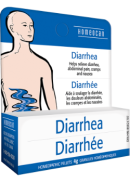
- Help relieve symptoms such as: abdominal pain, cramps, nausea
- Easy to carry everywhere

Why Choose Homeocan Therapeutics?
Homeocan Therapeutics is a well-known Canadian brand specializing in homeopathic remedies. Their wide range of popular products includes homeopathic pellets to support allergies, sleep, immune health and stress and topical products like traumacare and arnica gel. Homeocan is trusted in providing safe and effective alternatives to conventional medicine. Read more >- Reviews
- POST A NEW REVIEW
DIARRHEA
By: Articles by a Naturopathic Doctor and a Holistic Nutritionist
Diarrhea is a symptom that can start off as annoying but end up far more serious so proper management is the key …
The definition of diarrhea is having three or more loose or liquid bowel movements per day. This uncomfortable condition has affected each and every one of us at some time or another. In fact, diarrhea is actually a symptom of a larger problem, and it can be triggered by a wide variety of causes. The cause of each case can be determined by any combination of stool testing, physical exam, and colonoscopy.
Causes Of Diarrhea
There are a number of different types of diarrhea, and each may require slightly different approaches to treatment.
Malabsorption
If the intestines are not absorbing nutrients, minerals and sugars properly then they will draw water out of tissues inside of the gastrointestinal tract which causes loose, watery stools. The name for this process is called osmotic diarrhea since the water is collected by osmosis. Diseases such as Celiac disease and pancreatic disease can encourage this as well as food sensitivities and laxatives. Food intolerance is a common culprit as the body will be lacking in required digestive enzymes. The excessive intake of certain vitamins and minerals can also lead to diarrhea.
Infectious Diarrhea
There are a wide variety of microorganisms, viruses, and parasites in the digestive tract that can cause diarrhea. The most common causes of infectious diarrhea in North America are: E. coli, Salmonella, Giardia, and rotavirus. When it affects those travelling, the condition is called Traveller’s Diarrhea. Some infectious pathogens secrete toxins that trigger an osmotic effect like that of malabsorption. Others directly irritate the lining of the digestive tract causing an immune response and local damage. This can cause the leaking of fluid from the lining of the GI tract, which can further loosen the stool.
Inflammatory Bowel Disease (IBD)
When the digestive tract becomes inflamed, due to autoimmune activity, the cells lining the intestines can become damaged, and can leak protein-rich fluid that acts as an osmotic draw for water. At the same time, the migration of immune cells into the area will cause inflammation, the formation of mucous (pus) and the leaking of blood into the digestive tract. This can cause further irritation and increased digestive motility. For more information see our IBD article.
Irritable Bowel Syndrome (IBS)
The cause of irritable bowel syndrome (IBS) is not yet known, but it causes alternating bouts of constipation and diarrhea. In this condition, the bowel spasms painfully and occasionally mucous can be seen in the stools. It is considered a functional bowel disorder. For more information, please see our IBS article.
Increased Motility
Some cases of diarrhea are caused by an increase in the contractions in the intestinal walls. This speeds the movement of the food through the digestive tract such that it cannot be fully digested nor the nutrients properly absorbed. This results in loose stools with undigested food present. This cause is often present in conjunction with the other causes in this list.
Side Effects of Diarrhea
Because loose stools drain water from the body, diarrhea can quickly cause dehydration and electrolyte disturbances. The most commonly lost electrolytes are salts and zinc. For more information on dehydration, and replenishing, please see our Electrolytes article. It is extremely important to ensure adequate water intake during periods of diarrhea to prevent dehydration. Signs of dehydration are: thirst, dizziness, dark or absent urine, sallow complexion, and loss of elasticity in the skin.
Back to Top ↑
-
Sale: $11.95
Reg.: $13.95 (Save $2.00)
-
 Our Price: $49.99












