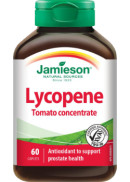
- 10 mg
- Lycopene (Tomato concentrate 100 mg (Lycopersicon esculentum, fruit))
No salt, gluten, lactose, artificial colours, flavours or preservatives. Consult a health care practitioner prior to use.
 Capsules
60 Caps
Adults: Take 1-2 caplets daily with a meal.
- Powerful antioxidant
- Supports prostate
- Protects from free radicals
- Treats prostate ailments
- Easy to swallow caplets

Jamieson Supplements for Whole-Family Health & Wellness
Jamieson has consistently been voted Canada’s most trusted brand of vitamins. Jamieson vitamins and supplements most popular natural health products include Jamieson probiotic, multivitamin, Jamieson vitamin C, Omega 3 and D3, plus many more! They provide consumers with the purest, safest and most effective natural health solutions available. Shop Jamieson right here at National Nutrition.ca Read more >- Reviews
- POST A NEW REVIEW
Reviews By Rating
helpful votes
0
0 customers found this product review helpful
LYCOPENE
Eat a little more "red" to save your heart, blood vessels, and prostate...
What is Lycopene?
Lycopene is a bright red xanthophyll molecule belonging to the carotenoid family of pigments. It is the molecule that gives ripe tomatoes their bright red colour, and it can also be found in other red fruits and veggies, such as pink grapefruit, red oranges, papaya, seabuckthorn and watermelon. After absorption, lycopene concentrates in the liver, testes, adrenal glands, and skin.
Lycopene is an excellent antioxidant that can help to protect us against free radical damage caused by smoking, pollution, stress, and the sun's UV rays. This free radical damage causes a number of health problems including cell growths and the visible signs of aging.
Lycopene and Cardiovascular Disease
A diet high in tomatoes is associated with a reduced occurrence of a number of diseases, including coronary artery disease. Lycopene has been shown to prevent platelet formation and foam cell production in our arteries, both involved in the development of atherosclerosis. Increased intake of lycopene reduces the risk of developing arteriosclerosis and cardiovascular disease.
Lycopene as an Antioxidant
Although all antioxidants help to protect us against free-radical damage, lycopene is unique in its strength and the tissues in which it concentrates. Because it is found in higher concentrations in the liver, adrenal gland, and testes, it can particularly aid these organs. It also helps to prevent free radicals from disrupting the balance between bone formation and the bone loss that causes the development of osteoporosis as we age.
What else can lycopene do?
Lycopene has both anti-fungal and anti-bacterial properties, making it a useful treatment in infections, particularly of the mouth. Lycopene has also been found to increase phase II detoxification enzymes to help the liver rid the body of toxins and harmful chemicals.
How can I get more Lycopene?
Eating red foods such as: pink grapefruit, red oranges, papaya, sea-buckthorn, watermelon and of course, tomatoes, is a great way to get more lycopene. To get the most benefit from tomatoes, it is best to cook them first, as the heat liberates three times more lycopene from the plant's tissue. When supplementing lycopene, the recommended dosage is between 10 and 60mg daily in two divided doses. As lycopene is a lipid, it should also be consumed with a fat source, such as olive oil, to increase absorption.
Important Information
Lycopene is considered non-toxic but in extremely high doses can cause the skin to take on a harmless yellow-orange color. Once the lycopene is discontinued, the skin will return to its normal color. Lycopene supplementation has not been studied during pregnancy or lactation so supplementation should be avoided and lycopene should be ingested through dietary sources only. Lycopene may interact with certain chemotherapeutic drugs. Avoid taking lycopene if you are currently undergoing chemotherapy.
LYCOPENE – QUICK FACTS
FOOD SOURCES
· Tomatoes (highest in cooked tomato products like tomato sauce), red carrots, pink grapefruit, red oranges, papaya, watermelon, seabuckthorn.
APPLICATION
· Atherosclerosis, cardiovascular disease, aging, mouth infections.
OPTIMUM DOSAGE
· 10-60 mg/day in two divided doses with fat. (Clinical doses recommended by your health care practitioner may be higher).
WORKS WELL WITH
· Other carotenoids, such as lutein and beta-carotene, alpha lipoic acid, coenzyme Q10, vitamin C, vitamin E.
IMPORTANT INFORMATION
· Lycopene is non-toxic, but can cause a yellow-orange skin pigment if consumed in abundance.
· It may interact with certain chemotherapeutics and supplementation should be avoided during pregnancy and breast-feeding.
Back to Top ↑