

- 27.6 mg
- Iron (iron gluconate)
- 2.4mg
- Iron (iron fumarate)
- 15mg
- Vitamin C (ascorbic acid)
- 300mcg
- Beta-carotene
Water from reverse osmosis, concentrated apple juice, honey, concentrated vegetable juice (carrot, celery, lettuce, parsley, watercress, beets, spinach), xanthan gum , natural peach aroma, citric acid, sodium benzoate, potassium sorbate.
This bottle contains enough medication to seriously harm a child. Do not use if the security seal is broken. Keep out of the reach of children. Shake well before use. Keep refrigerated after opening. May cause constipation, diarrhea or vomiting if taken daily with a prenatal supplement of multivitamins and minerals.
Children (1 to 13 years old): 1 teaspoon (5 ml) per day. Adolescents and adults (14 years and older): 1 tablespoon (15 ml) per day. Pregnant women: 2 teaspoons (10 ml) per day. Take with food. Take a few hours before or after taking medications.
- Helps to prevent iron deficiency anemia
- Promotes the formation and proper functions of red blood cells
- Provides the daily recommended dose of iron for pregnant women
- Does not cause constipation
- Does not contain gluten, wheat, dairy, yeast, corn

- Reviews
- POST A NEW REVIEW
Iron
By: Naturopathic Doctor (N.D.)
The most important function of iron is its role in the oxygen carrying capacity of the blood...
What is Iron?
Iron is a chemical element with the symbol Fe. Biologically speaking, Iron is an essential trace mineral found within all living organisms. The most commonly studied and well-known compounds of iron within the human body are the heme proteins, as in hemoglobin and myoglobin. Iron uptake and storage is carefully regulated in the body. A protein called transferrin which binds iron absorbed from the duodenum,and carries it to the blood cells, is a major part of this regulation. Iron is stored in the body as ferritin.
Functions in the body
One major function of iron protein compounds is the transport of gases, the most important of which is oxygen. Hemoglobin (in the blood) and myoglobin (found in muscle tissue) are dependent on iron for their ability to carry oxygen to all of the body's tissues. Iron is necessary for biological oxidation reactions (the transport of electrons). Iron is also an important part of enzyme systems, processes that speed up chemical reactions in the body, such as catalase and lipoxygenase.
Iron containing enzymes synthesize the brain chemicals serotonin and dopamine. Serotonin regulates mood and appetite while deficient levels of dopamine lead to diseases like Parkinson's. Iron also helps in the synthesis of collagen and elastin, which provides structural stability to most tissues and play a special role in maintaining elasticity in areas like the lungs and skin. Iron containing enzymes in the liver, called cytochromes, mediate the metabolism of many drugs. Carnitine carries fat into cells for use in energy production and requires iron for its production.
Iron in our Diet
Iron is found in the diet in two forms; heme iron and non heme iron. Heme iron is contained in animal products and considered to be more highly absorbed than it's non-heme counterpart. Lean red meats are probably the highest sources of this type of iron. Non-heme iron comes from vegetables, grains and beans (plant sources). There are some natural ways to increase iron absorption, especially important if you are eating mostly non-heme iron sources. Making sure to pair iron rich foods (heme or non-heme) with foods rich in vitamin C is one such way. Vitamin C can significantly improve iron absorption. See below for more ways to optimize iron absorption.
Iron and Iron Deficiency
Iron deficiency, or iron deficiency anemia, can be caused by blood loss, either large or continuous small losses, hypothyroidism and many long-term illnesses. It can be caused (although less often) by low iron intake, such as that of poor vegan and vegetarian diets. Menstruating women are more likely to benefit from iron supplementation, especially those with excess blood loss, as in menorrhagia. Gastro-intestinal conditions, such as Crohn's and Colitis may impair absorption of iron, regardless of how much is being consumed. There are also some medications that increase red blood cell count and therefore may cause iron deficiency, if iron stores are not concurrently 'stocked up'. Iron deficiency is very common during pregnancy. Hypervolemia of pregnancy (increased blood volume) causes relative iron deficiency. Iron deficiency can also be common in breast-fed or low iron formula fed infants. Some of the symptoms of iron deficiency anemia include fatigue, pale face, dry skin and brittle nails, constipation, headaches, dizziness, loss of appetite and decreased immunity. Without iron, red blood cells cannot carry enough oxygen to other cells in the body. Without this oxygen, the cells cannot function properly. In severe cases of iron deficiency, heart palpitations and breathlessness are observed, as these cells fight for more oxygen.
The Dangers of too Much Iron
Although iron uptake (into cells) is heavily regulated, the human body has no regulated means of excreting excess iron. This means we must be extremely cautious with our supplemental iron intake. There is no need to supplement with iron unless lab tests show your iron stores are low. Serum ferritin, specifically, is a good indicator of the body's iron stores and is often used to diagnose iron deficiency anemia. Iron acts is an oxidant, meaning that it in excess amounts it floats freely through the body and can harm tissue. It is literally toxic to the body when in excess, depositing in organs such as the heart and liver, causing irreparable damage. High iron levels are also implicated in cell growths, probably due to oxidative injury to the cell's genetic material. High iron levels can be fatal in children. In addition, high levels of iron will reduce zinc absorption and cause deficiencies in this mineral. Iron also prevents calcium absorption, and should be taken away from calcium rich foods and calcium supplements.
Supplemental Iron: What you should know
Iron can be supplemented as a single nutrient in tablet, capsule or liquid form. Iron can be found in the ferrous or ferric forms. The ferrous form, is generally (there are always exceptions to these rules) absorbed better. Iron supplements are then further subdivided into sulfate, fumurate and gluconate forms. Organic iron is easier for the body to absorb and generally does not cause constipation. It can be found as ferrous fumarate or ferrous gluconate. Inorganic iron, such as ferrous sulphate, often causes constipation and is a less favourable form for supplementation. It is usually paired with B vitamins and other fruit or vegetable juices that are high in nutrients, like vitamin C, that enhance absorption. It is important to look at the Elemental iron content of these supplements, as this will vary greatly from the size of the table or capsule. Elemental iron is the iron that will be used by the body. An iron capsule that is 325 mg, for instance, may consist of only 60 mg of elemental iron.
Optimizing Iron Absorption
The absorption of iron can be decreased when calcium, magnesium, manganese or zinc is taken at the same time as an iron supplement. Inorganic iron inactivates vitamin E and should not be taken with vitamin E supplements. Take a vitamin C tablet at the same time as your iron supplement because vitamin C increases iron absorption in the intestines. Iron is absorbed in an acidic environment. Supplementation of hydrochloric acid will increase iron levels in individuals with low stomach acid. Do not take iron when you have an infection because iron encourages the proliferation of bacteria. Many medications decrease iron stores including cholesterol medications, ulcer medication, antacids, some antibiotics and aspirin. If you know you are iron deficient, keep foods high in oxalic acid to a minimum, such as rhubarb, spinach, chard, beets, chives, parsley and chocolate. Coffee and tannins found in tea can also inhibit iron absorption. Also make sure to separate your iron supplement from any high fibre or calcium rich foods or supplements, as these can also reduce absorption (from food sources of iron, as well!). Try to separate calcium and fibre intake from iron intake by about 2 hours, if possible. This will ensure there is little counteractive effects. Take iron supplements on an empty stomach with vitamin C or a glass of orange juice, as this will help to increase absorption, although may not be possible if iron causes stomach upset. Consider cooking food in cast iron pots, as foods will absorb some of the iron from the cookware.
How Much is Enough?
The average individual should aim to get anywhere from about 8 -45 mg of iron daily (men and post-menopausal women fall at the lower end of this scale). These smaller amounts can be obtained easily via diet. If you suspect you are iron deficient, by all means, confirm your suspicions via blood work, but do not supplement, aside from eating the aforementioned foods or taking a simple multi, with higher dosages of iron until you know for sure. Individuals who have been shown to be deficient are usually aiming to get about 60-200 mg of elemental iron a day. Your doctor will confirm the dosage you should be aiming for through supplementation.
Side Effects
All iron supplements will cause your stool to become dark in color, but some people may also experience side effects which make it hard to follow recommended dosages. An upset stomach and constipation are the most common side effects of iron. Slowly working your way up to the recommended dosage may help to alleviate these side effects.
Iron– Quick Facts
Food Sources
· Eggs, Fish, Liver, Meat, Poultry, Green Leafy Vegetables, Whole Grains, Enriched Bread And Cereal Products, Blackstrap Molasses, Almonds, Avocados, Beets, Brewer’s Yeast, Millet, Prunes, Raisins, Sesame Seeds, Soybeans.
Deficiency Symptoms
· Fatigue, Anemia, Brittle Hair, Digestive Disturbances, Dizziness, Hair Loss, Nail Deformities, Pale Mucus Membranes, Slowed Mental Functioning.
Optimum Dosage
· Premenopausal Females 15mg Daily, Men And Postmenopausal Females 10mg Daily. (Clinical Doses May Be Higher As Recommended By Your Practitioner.)
Works Well With
· Vitamin C, Vitamin B Complex, Copper, Manganese, Molybdenum, Vitamin A, Betaine Hcl
Important Information
· Do Not Take Iron Unless You Are Anemic.
· Do Not Take Iron When You Have An Infection.
· Those With Rheumatoid Arthritis And Cancer May Be Anemic Despite Adequate Amounts Of Stored Iron In The Body.
· Iron Deficiency Is Common In People With Candidiasis And Chronic Herpes Infections.
Back to Top ↑

-
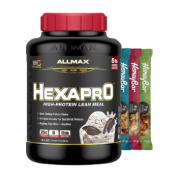
Hexapro (Cookies & Cream) - 5lbs + BONUS
Sale: $89.99
Reg.: $99.99 (Save $10.00)
-
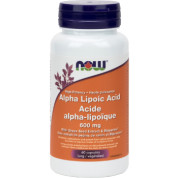
Alpha Lipoic Acid 600mg - 60 V-Caps
Our Price: $29.99












