

Asthma Relief Supplements
-
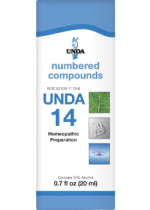
UNDA#14: RESPIRATORY RELIEF Unda #14 is a homeopathic preparation for relief of symptoms associated with low energy and minor respiratory problems. The unique combination of ingredients including eucalyptus globulus and camphora found in Unda #14 were synergistically formulated to help treat pneumonia, bronchitis, and pleuritis and many other respiratory conditions. [LIQUID]
+ Earn 26 Reward PointsOur Price: $26.50In Stock
Asthma Symptoms & Supplements
What is Asthma?
Asthma is a chronic inflammatory disease of the airways and one of the most common long-term diseases of childhood, though many adults are also affected. Asthma causes inflammation and narrowing of the bronchial tubes, which leads to limited airflow and difficulty breathing. Other common symptoms include wheezing, chest tightness, and coughing especially at night or early in the morning.
Asthma symptoms occur when the lining of the airways swell and the muscles around them tighten. In healthy individuals, these muscles are relaxed, but those with asthma have sensitive and inflamed muscles. As a result, when an asthma sufferer encounters a trigger (food allergies, exposure to irritants, seasonal allergies, intense exercise), these muscles tighten even more, making the lining of the airways swell, causing a buildup of mucus, making it hard to breathe. This is what is referred to as an asthma attack.
Symptoms of Asthma
- Wheezing (the most common symptom)
- Coughing
- Tightness in the chest
- Shortness of breath
- Difficulty talking
- Anxiety (associated with difficulty breathing)
- Fatigue
Types of Asthma & Symptoms
While the symptoms are essentially the same, there are different types of asthma; the most common being bronchial asthma, which affects the bronchi in the lungs. Other forms of asthma include; childhood asthma, adult-onset asthma, allergy related asthma (as the name implies, triggered by allergens: food, pollen, mold, dust, etc.), nonallergic asthma (triggered by air pollution, chemical products, smoke, etc.), occupational asthma (brought on by industrial chemicals, gases, and fumes in the workplace), and others like exercise-induced asthma, aspirin-induced asthma, nocturnal asthma, and cough-variant asthma.
How Is Asthma Treated?
With the rates of asthma steadily increasing in the last few decades, the medical community has been investigating the so-called “hygiene hypothesis”, or the potential role that antibiotics use and vaccines may play in the development of asthma. While this theory is currently only hypothetical, it remains that there is no cure for asthma at this time. The condition can; however, be managed with proper care, including a few lifestyle tweaks and dietary modifications.
The most obvious of which include removing allergenic foods from the diet, maintaining a healthy weight, and exercising daily to improve immune function and lower inflammation, as well as quitting smoking. The conventional management of asthma involves primarily bronchodilators, and occasionally corticosteroids.
Asthma & Respiratory Support Supplements
-
Antioxidants For Asthma Symptoms
Research has shown that antioxidants including vitamins A and E have a beneficial impact on asthma symptoms in children.
-
Black Seed Oil Extract
Extracted from the seeds of the black cumin plant has been shown to significantly improve lung function. Research has also shown that black seed oil, or more specifically the thymoquinone in the oil, may help asthma by reducing inflammation and relaxing muscles in the airways.
-
Choline
Recent research suggests that when combined with vitamin C and selenium, a nasal spray of choline can improve allergic airway conditions. choline supplementation may also reduce the severity and frequency of asthma attacks, according to other research.
-
Ginger For Asthma Symptoms
Rich in anti-inflammatory properties, helps relieve severe forms of asthma.
-
Horehound
Treatment of bronchial disorders. Especially effective to relieve asthma, bronchitis, and coughs.
-
Lobelia
Used in all sorts of respiratory conditions such as asthma, bronchitis, pneumonia, wheezing, uncontrollable coughing, and chest tightness.
-
Magnesium For Asthma Symptoms
Because those with asthma tend to have low levels of magnesium, a magnesium spray can help open up their bronchial tubes and improve airflow, especially during severe attacks.
-
N-Acetyl-L-Cysteine
Help improve lung function. Also increases glutathione synthesis, which helps thin mucus.
-
Omega-3 Fatty Acids
Have protective effects in inflammatory conditions like asthma; have also been shown to reduce inflammation in the airways, one of the hallmarks of asthma and improve lung function in people with severe asthma.
-
Pycnogenol For Asthma Symptoms
Has been shown to reduce inflammation and may be a possible treatment for asthma according to newer research.
-
Vitamin C
Has potent anti-inflammatory and antioxidant properties, research suggests that vitamin C can reduce the oxidative stress placed on airway tissues which, in turn, may reduce their hypersensitivity to common asthma triggers.
Back to Top ↑








