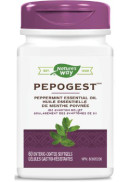
- 0.2ml
- Peppermint essential oil (Mentha x piperita, herb top)
Gelatin, soy bean oil (organic), glycerin, ethylcellulose, sodium alginate, medium chain triglycerides, oleic acid.
Consult a health care practitioner if symptoms persist or worsen. Consult a health care practitioner prior to use if you are pregnant or breastfeeding, if you have gallstones, anaemia, hiatus hernia or gastroesophageal reflux. Some people may experience gastroesophageal reflux. Stop use if hypersensitivity/allergy occurs. Keep out of reach of children.
 Softgels
60 Softgels
Adults and adolescents age 9 and older, take 1 softgel, 3 times daily between meals, or as directed by a health care practitioner.
- IBS support!
- Targeted Release
- Enteric-Coated
- Digestive health
- Clinical Potency 0.2 ml

Quality Herbals For Over 40 Years.
For over 40 years, Nature’s Way has built a reputation for quality and trust. Nature's Way is committed to using pure ingredients, backed by rigorous testing, which has earned them a reputation as one of Canada’s most trusted natural product brands. Shop Nature's Way Canada Fenugreek, Probiotics, Astragalus, Liquid Coconut Oil, Echinacea and other natural herbal remedies. Read more >- Reviews
- POST A NEW REVIEW
Reviews By Rating
helpful votes
0
0 customers found this product review helpful
Pepogestprovides natural gastrointestinal comfort. The essential oil found in peppermint leaves soothes the occasional disruptions in the bowel often caused by nervousness, overeating and/or changes in the diet.
Targeted release for maximum effectiveness.
Pepogest softgels are uniquely enteric-coated to withstand stomach acid and target the release of peppermint oil directly into the intestinal tract. Research confirms that peppermint oil is more effective and better tolerated when protected from stomach acid.
PEPPERMINT
Peppermint can be very beneficial for your bowels and digestion ...
Peppermint is found in many candies, mints and gums that line the supermarket checkout. Its fresh, clean taste and smell are a favourite for breath freshening products. Did you know that peppermint does more than freshen your breath after you eat? Medicinally it is known as a carminative, an herb that decreases gas and bloating. It also decreases spasms in the digestive tract that cause diarrhea and symptoms characterizing irritable bowel syndrome.
Its antispasmodic activity is due to the blockage of calcium channels in intestinal muscle cells. By preventing calcium exchange muscles do not contract. Peppermint is also used in aromatherapy as an energizing agent.
Peppermint can be purchased as a loose herb, encapsulated herb, enteric-coated oil tablet or essential oil. The loose herb is a popular tea. Peppermint may be a part of formulas for soothing digestion. The oil is often added to candy, gum and used in baths. The essential oil of peppermint is a highly concentrated substance. When using essential oils they can be diluted in carrier oil, such as olive, almond or any cooking oil.
Essential oils can be toxic when taken internally therefore, Use the essential oil of peppermint cautiously. Do not give peppermint to individuals with gallstones, biliary obstruction, hiatal hernia or liver damage. Do not give peppermint oil to children, pregnant women, nursing mothers or individuals with allergies to the mint family. Do not take peppermint oil concurrently with calcium channel blockers.
You Can Support Digestive Health By:
Chewing food completely.
Eating several small meals daily instead of three large meals.
Avoiding fluids with meals.
Eating a variety of fresh fruits and vegetables.
Avoiding refined, processed foods.
Not overeating; eat until 80% full.
Taking a HCL supplement before meals.
Supplementing with Probiotics.
Taking digestive enzyme during or after meals.
Intestinal Health
The intestine is the main absorptive area of the digestive tract. It is essentially a tube with a thin mucosal lining and lots of blood vessels on the inside and muscles around the outside. It has its own immune tissue called GALT, or gut associated lymphoid tissue. The inner lining is filled with little fingers, or projection of the mucosa, which greatly increases its absorptive surface.
Lying on the membrane are many friendly organisms, which help our body with the digestive process. The small intestine attaches to the stomach. Near it's beginning, ducts from the liver and pancreas release digestive juices. These juices mix with the partially digested food from the stomach and continue the digestive process. Nutrients are absorbed through the thin intestinal wall and transported via the bloodstream, to where they are needed. The liver also excretes processed toxins and fats through the bile. These substances must be carried through the intestine without being absorbed.
The remainder of the food is pushed through into the large intestine. The main function of the large intestine is the preparation of stool for excretion. In order to do this the digested food must be dehydrated and compacted. The last bit of nutrients may also be absorbed here.
Some of the most important players in intestinal health are not part of our own body. Friendly intestinal bacteria, often called probiotics, are an essential part of digestion. They break down food particles, manufacture vitamins and prevent the infection of the tract with other microbes. Each bowel movement actually contains millions of these friendly bacteria; they are in a constant state of renewal. Many concerns like indigestion, gas, bloating and constipation can be due to an imbalance of the intestinal bacteria. It is easy to upset this balance by improper diet or taking medications like antibiotics.
Back to Top ↑