

Prostate 5lx Sc (Formerly Prostate Take Care) - 120 Caps - New Chapter

We're sorry, we no longer carry this item.
Check These out
Suggested, Similar, & Related Products:
Sale: $14.99
Reg.: $16.99 (Save $2.00)

Sale: $46.99
Reg.: $69.99 (Save $23.00)

Sale: $52.79
Reg.: $65.99 (Save $13.20)
(Click Add to Select Bonus)
Sale: $11.99
Reg.: $19.99 (Save $8.00)

Sale: $28.45
Reg.: $35.95 (Save $7.50)

Sale: $29.99
Reg.: $48.99 (Save $19.00)
Sale: $12.99
Reg.: $16.99 (Save $4.00)

Sale: $36.99
Reg.: $69.99 (Save $33.00)
(Click Add to Select Bonus)

Sale: $55.97
Reg.: $57.97 (Save $2.00)
(Click Add to Select Bonus)
Or, Shop our Latest Deals:
Shop Now >Contains soy and wheat. Consult a healthcare practitioner prior to use if you are taking hormone replacement therapy or blood thinners. Consult a healthcare practitioner if you experience gastrointestinal discomfort, if you have a liver disorder or develop symptoms of liver trouble, or if symptoms persist after 6 months. Do not use this product if you have a soy allergy.
 Capsules
120
Adult Males: Take 2 capsules daily. Can be taken anytime, even on an empty stomach.
- Enhanced with Saw Palmetto
- Helps to relieve BPH symptoms
- Supports healthy urine flow and frequency
- Helps to relieve symptoms of prostate growth

- Reviews
- POST A NEW REVIEW
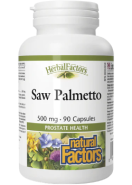
SAW PALMETTO
The berries used from saw palmetto assist to help men with BPH ...
Saw palmetto, in many cases, relieves the symptoms of prostate enlargement just as well as conventional medication. Prostate growth is stimulated by excess levels of dihydrotestosterone (DHT) in the condition known as benign prostatic hyperplasia (BPH). Saw palmetto works by inhibiting the production of DHT, stopping DHT from binding in the prostate and increasing the rate at which DHT is metabolized in the gland.
Excess estrogen slows the removal of DHT from the prostate. By inhibiting estrogen saw palmetto also improves BPH. It has been shown in clinical studies to decrease the size of the prostate without altering PSA levels (the hormone that is a marker for prostate cancer).
Saw palmetto’s medicinal qualities are most abundant in fat-soluble extracts of the berries. Saw palmetto herb can vary in quality and medicinal value. Saw palmetto should be taken with meals that contain fat to improve its absorption.
Prior to using saw palmetto men should have a prostate screening and laboratory testing for prostate cancer. Men who use conventional BPH medications should use saw palmetto under the guidance of a health professional. Saw palmetto can theoretically affect the efficacy of oral contraceptives and estrogen.
PROSTATE HEALTH
Getting up frequently at night, pain in the groin, painful urination, and reduced sexual function - all symptoms of common prostate conditions. Read on to discover how nutritional supplements and herbs can help...
The prostate is the organ responsible for producing the fluid part of seminal emissions, helping to control the flow of urine, and for the contractions that cause ejaculation during orgasm. It’s no wonder that when a man has a concern with his prostate that it can be troublesome.
Prostate problems occur when the gland becomes infected or swollen. Infection can occur directly in the prostate or it can be a complication of a urinary tract infection. The most common prostate condition is benign prostatic hyperplasia (BPH). It occurs in men over the age of fifty (but can occur earlier) due to hormonal imbalances, heredity, poor diet, nutrient deficiencies or high cholesterol. The growth of malignant or benign tumours can also cause prostate swelling. It is important to have your prostate monitored by your doctor. Your PSA level (prostate specific antigen) can indicate the degree of enlargement; it can also indicate whether or not you are at risk for cancer. Make at least yearly appointments past age forty for this test.
Symptoms of prostate inflammation can be mild if it develops slowly or intense if it develops quickly. Prostate infections cause fever, chills, lower back pain, rectal pain, urgency for stool and urination and painful urination. The urine can be blood or pus filled. Chronic infections may cause mild, local discomfort and may result in painful ejaculation or erection. Conventionally prostate infections are treated with antimicrobial medications. They must be fairly powerful because it is difficult to get enough medication to the prostate due to its poor blood supply. Make sure to replace the helpful bacteria in your system with a probiotic supplement after antimicrobial therapy.
Chronic prostatitis is not often related to a bacteria or the development of prostate cancer. Treatment is also more difficult because the exact cause is poorly understood. Treatment may include antibiotics, although more commonly chronic prostatitis is treated with alpha blockers, as in BPH. Tamsulosin and alfuzosin are two common alpha blockers. They serve to help relax the muscles of the prostate and bladder neck, thereby improving symptoms such as urinary retention. These medications have no effect on size or inflammation of the prostate.
BPH affects one in three men over age 50. Symptoms appear when the prostate becomes large enough to interfere with urination. Dribbling, frequent and urgent urination occur and often cause men to wake at night to urinate. Starting and stopping urination can be difficult. When bladder emptying is impaired there is an increased risk for the development of urinary stones and infections. Drug therapy for BPH uses finasteride, which blocks the conversion of testosterone into dihydrotestosterone (DHT). DHT stimulates the growth of prostate cells. Side effects of drug therapy include impotence, decreased libido and difficulty detecting prostate cancer.
New research is focusing on the anti-cancer effect that curcumin may have on the prostate, now being used both for prevention and treatment of slow developing prostate cancers. Curcumin has been shown to have both chemo-preventative and growth inhibitory activity against multiple tumour cell lines, including tumours of the prostate. Bee pollen has also been used to inhibit progression of prostate cancers once they have been diagnosed.
Back to Top ↑








