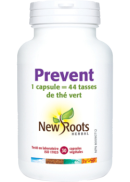
- 500mg
- Green tea (Camellia sinensis) leaf extract (375 mg EGCG, 450 mg catechins)
- 100mg
- Turmeric (Curcuma longa) root extract, 95% curcuminoids, providing curcumin I, demethoxycurcumin, and bisdemethoxycurcumin
- 60mg
- N-Acetyl-Cysteine
- 50mg
- Japanese knotweed (Fallopia japonica) root, 50% resveratrol
- 30mg
- Tomato (Solanum lycopersicum) fruit extract, 10% lycopene
- 25mg
- Cayenne (Capsicum annuum) fruit
- 20mg
- Astaxanthin 1.5%, from 20 mg Haematococcus pluvialis
- 20 mg
- Zeaxanthin (from marigold [Tagetes erecta] extract)
- 2mg
- Black pepper (Piper nigrum) fruit, 95% piperine
Vegetable magnesium stearate in a non-GMO vegetable capsule composed of vegetable carbohydrate gum and purified water.
Store in a cool, dry place. Do not use if seal is broken. Keep out of reach of children. See below for more information.
 Veggie Caps
30 V-caps
Adults: Take 1 capsule daily with food or as directed by your health-care practitioner. Take with a meal containing oil/fat.
- High potency antioxidant combination
- Designed to help protect against abnormal cell growth and disease
- 1 capsule offers 44 cups worth of green tea
- With 75% EGCG
- Easy to swallow v-cap
- No gluten, wheat, eggs, dairy, yeast, citrus, preservatives, artificial flavour or colour, or sugar

Proudly Manufactured In Canada & Available National Nutrition.
New Roots Herbal offers high-quality natural health products like their best-selling probiotics, digestive enzymes, chill pills, strong bones, acidophilus ultra and black cumin seed oil among hundreds more herbal remedies. Founded in 1985 New Roots Canada delivers formulas that were designed to address health imbalances and support the body's natural healing processes and overall well-being. You can buy all New Roots supplements at National Nutrition.ca Read more >- Reviews
- POST A NEW REVIEW
PREVENT the formula:
Green Tea 75% EGCG
The polyphenols in green tea are catechin, epicatechin, epicatechin gallate, epigallocatechin gallate, and proanthocyanidins. Epigallocatechin gallate is viewed as the most significant active component. The leaf bud and first leaves are richest in epigallocatechin gallate. Green tea polyphenols are potent antioxidant compounds that have demonstrated to be 100 times greater antioxidant protection than vitamins C and 25 times greater than vitamin E at protecting cells and their genetic material, DNA, from damage believed to be linked to cell growths, heart disease and other potentially life-threatening illnesses. EGCG, carries twice the antioxidant punch of resveratrol, found in red wine. In addition to exerting antioxidant activity on its own, green tea may increase the activity of antioxidant enzymes.
Curcumin 95%
Antioxidant, anti-inflammatory and anti-carcinogenic properties of turmeric and curcumin are undergoing intense research. Tests in Germany, reported July 2003, found that "All fractions of the turmeric extract preparation exhibited pronounced antioxidant activity...." Turmeric extract tested more potent than garlic, devil's claw, and salmon oil.
Another studies indicates that curcumin slows the development and growth of a number of types of cells. Researchers now define curcumin as a broad-spectrum anti-cell growth agent where its detoxifying enzymes indicate its potential value as a protective agent against chemical carcinogenesis and other forms of electrophilic toxicity. The significance can be implicated in relation to chemo preventive effects of curcumin against the induction of tumors in various target organs 8. There is a recent study that states curcumin may inhibit some chemotherapy agents for breast tumors.
N-acetylcysteine
N-acetylcysteine supports glutathione to interact with the toxic byproducts promoting their excretion through the liver. These substances include carbon tetrachloride, chloroform, and carbon monoxide; alcohol; such heavy metals as mercury, chromium, and boron; and the microorganisms aflatoxin and Eschicheria coli. By helping to rid the body of environmental toxins and by fighting free radicals, NAC may play a role in supporting optimal cell growth. NAC might also slow the growth of harmful tissues in these ways. Clinical trials are underway to explore this possibility. Interestingly, one study did find that NAC reduced nausea and vomiting caused by chemotherapy.
Resveratrol 50%
Resveratrol is a type of antioxidant polyphenol called a phytoalexin, a class of compounds produced as part of a plant's defense system against disease. It is produced in the plant in response to an invading fungus, stress, injury, infection or ultraviolet irradiation. Red wine contains high levels of resveratrol, as do grapes, raspberries, peanuts and other plants. Resveratrol has been shown to reduce tumor incidence in animals by affecting one or more stages of cell growth development. It has been shown to inhibit growth of many types of harmful cells in culture. Evidence also exists that it can reduce inflammation. It also reduces activation of NF kappa B, a protein produced by the body's immune system when it is under attack. This protein affects harmful cell growth and metastasis. Resveratrol is also an antioxidant.
Lycopene 10%
A study released during the American Association for Cancer Research's (AACR) annual meeting reveals lycopene from tomatoes may activate special cell growth-preventive enzymes called "phase II" detoxification enzymes. These effectively remove harmful carcinogens from cells and from the body. The research suggests consumption of carotenoid-rich tomato products may exert their cell growth-preventive effect by stimulating the body's "antioxidant response element."
Zeaxanthin 20%
Zeaxanthin is an antioxidant that destroys harmful free radicals generated by exposure to light, which initiates oxidative damage in the eyes and skin. These xanthophylls provide protection against free radicals that can damage cells and DNA, and thus cause cell growths. Zeaxanthin may also improve the cytotoxic action of anti-caell growth chemotherapy drugs.
Astaxanthin 1.5%
Astaxanthin kills free radicals in your body, staving off age-related diseases like macular degeneration by preventing these unstable molecules from damaging your cells. Astaxanthin also boosts the functioning of your immune system by increasing the number and activity of T cells and macrophages, two kinds of protective cells that fight infection and cell growths.
Cautions and warnings: Consult a health-care practitioner prior to use if you are pregnant or breast-feeding; in case of liver disorder, iron deficiency, gallstones, bile-duct obstruction, stomach ulcers, excess stomach acid, stomach inflammation; if you are taking antiplatelet medication or blood thinners; or if you are taking prescription medications or natural health products, as resveratrol and black pepper/piperine may alter their effectiveness. Consult a health-care practitioner prior to use if you are currently undergoing chemotherapy, as curcumin may interfere with certain chemotherapy agents. Do not use if you are allergic to plants of the Asteraceae/Compositae/daisy family. Discontinue use and consult a health-care practitioner if you develop symptoms of liver trouble such as yellowing of the skin/eyes (jaundice), stomach pain, dark urine, sweating, nausea, unusual tiredness, and/or loss of appetite. Rare, unpredictable cases of liver injury associated with green tea extract–containing products have been reported. Consult a health-care practitioner prior to use if you have kidney stones. Do not use this product if you are taking antibiotics or nitroglycerin. If overdose or accidental ingestion occurs, call a Poison Control Center immediately.
Note: EGCG is a type of catechin and catechins are a type of polyphenol.
Back to Top ↑