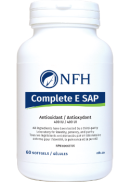
- 268 mg AT (400 IU)
- Natural vitamin E (D-alpha-tocopherol) (from non-GMO sunflower)
- 53 mg
- Mixed tocopherols (from non-GMO soy)
- 7-14%
- D-alpha-Tocopherols
- 0.5-2%
- beta-Tocopherols
- 13-25%
- delta-Tocopherols
- 45-60%
- gamma-Tocopherols
- 45 mg
- Squalene (from olive [Olea europaea] fruit)
- 20 mg
- Free plant sterols (from non-GMO soy) (8 mg beta-sitosterol, 4 mg campesterol, 4 mg stigmasterol)
- 3.16 mg
- Tocotrienols (from non-GMO palm fruit)
- 24-30%
- D-alpha-Tocotrienols
- 2-4%
- beta-Tocotrienols
- 10-20%
- delta-Tocotrienols
- 30-46%
- gamma-Tocotrienols
Beeswax, organic sunflower oil, and sunflower lecithin in a softgel composed of annatto extract (in sunflower oil), gelatin, glycerin, and purified water
Consult a healthcare practitioner prior to use if you are pregnant or breastfeeding; if you have malignancies; if you have cardiovascular disease or diabetes; or if you are taking blood thinners. Do not use if seal is broken. Keep out of reach of children.
 Softgels
60 Softgels
Adults: Take 2 softgels daily with food or as directed by your healthcare practitioner.
- High-quality synergistic combination of mixed tocopherols and tocotrienols
- Promote cardiovascular and metabolic health
- Improve bone metabolism and turnover in postmenopausal women
- Enhance vascular and endothelial function
- Contains no gluten, wheat, corn, eggs, dairy, yeast, citrus, preservatives, artificial flavour or colour, starch, or sugar, non-GMO

The Standard In Professional-Grade Nutrition.
Paving the path to optimal health with evidence-based nutrition and professional education. NFH stands for Nutritional Fundamentals for Health, they are committed to the highest standards of excellence in laboratory quality assurance and good manufacturing practices. NFH brings you evidence-based nutritional supplements like Heme Iron, Prenatal, EGCG, Melatonin, Probiotics and more. Buy Nutritional Fundamentals for Health Inc. NFH products in Canada, on sale now at NationalNutrition.ca. Read more >- Reviews
- POST A NEW REVIEW
WHAT IS VITAMIN E?
Did you know that Vitamin E is, in reality, a collective term used for a family of eight molecules? These eight molecules are split into two groups: tocopherols and tocotrienols. Both tocopherols and tocotrienols are found in nature as either alpha, beta, gamma, or delta. The primary difference between them is that tocopherols are saturated, while tocotrienols are unsaturated, and in turn, each has its distinct biological activity and specific applications inside the body. Despite these differences, all eight derivatives are referred to collectively as "Vitamin E."
Vitamin E is found in a variety of foods including oils, meat, eggs, and leafy vegetables. It is fat-soluble, meaning that it is absorbed along with fats in the diet and stored in the body's fatty tissue and the liver. As a supplement, Vitamin E offers robust antioxidant properties, and can be used in a variety of applications, both internal and topical.
Vitamin E supplementation stimulates immunity, helps fight toxins, pollution, and free radical damage, plus helps decrease disease formation. Vitamin E also supports healthy cholesterol levels, slows the progression of atherosclerosis, and protects cardiovascular health, as well as reduces inflammation, strengthens and repair capillary walls, improves skin moisture and elasticity, and protects again skin aging. Supplementation is also used to help balance the endocrine and nervous systems to balance hormones and relieve hormone-based symptoms. Vitamin E can also be used to treat cataracts and to decrease the risk of age-related macular degeneration.
Benefits Of Vitamin E
- Anti-Aging Properties
- Lowers Cholesterol
- Protects from Free Radical Damage
- Stimulates Immunity
Who Needs Vitamin E?
Health care practitioners will often recommend Vitamin E supplements to protect from free radical damage, help protect cell DNA integrity, stimulate the immune system, lower cholesterol, and maintain youthful-looking, supple skin. It’s also frequently recommended during pregnancy because Vitamin E is crucial for proper neurological and brain development.
VITAMIN E POTENCY, FORMS & FORMATS
Vitamin E Potency
Vitamin E supplements for oral use are offered in a range of potencies, from 100 IU, all the way up to 1,000 IU. The dose you need will be a function of what you are using the supplement for, but a good general dose for overall health maintenance is generally 400 IU for adults.
Vitamin E Forms
In supplement form, vitamin E can come in a range of forms:
D-Alpha-Tocopherol: The most common form of Vitamin E and is the go-to to treat and prevent vitamin deficiencies. When looking for a Vitamin E supplement you may come across both D-Alpha-Tocopherol and DL-Alpha-tocopherol. It’s important to make the distinction - DL is the synthetic form, is less bioavailable, and is only half as potent as D-Alpha-Tocopherol, the preferred choice.
Mixed Tocopherols: Vitamin E supplements typically provide only alpha-tocopherol, but some mixed tocopherol blends also exist, featuring alpha-tocopherol, with the addition of all four forms of tocopherol in roughly equal amounts. Studies suggest that Vitamin E with Mixed Tocopherols may offer a wider range of benefits than alpha-tocopherol alone.
Tocotrienols: Tocotrienols reportedly have stronger antioxidant properties than alpha-tocopherol. They are also more efficient at penetrating tissues that have saturated fatty layers like the brain and liver. Tocotrienols are considered clinical forms of Vitamin E.
Vitamin E + Selenium: Vitamin E in combination with Selenium, multiplies the antioxidant potential, which maximizes the effects on the prevention and management of cellular free radical damage.
Dry Vitamin E: Dry vitamin E features a non-oil-based powder form of Vitamin E which is ideal for individuals who have difficulty digesting fats or oils for any number of reasons, including cholestatic liver disease, short bowel syndrome, etc.
Vitamin E Formats
For internal use, Vitamin E supplements are available in capsules, tablets, as well as liquid forms and topical creams for external use.
Choosing The Right Vitamin E For You
Vitamin E supplements can have an effect on blood clotting, so should not be used in combination with medications that also slow clotting, such as Warfarin (Coumadin), aspirin, ibuprofen, and warfarin, as this may increase the risk of bruising and bleeding.
Back to Top ↑