

- 600 mg
- Seabuckthorn (Hippophae rhamnoides) fruit oil, 24.0% palmitoleic acid, 20.0% oleic acid, 10.0% linoleic acid
- 400 mg
- Seabuckthorn (Hippophae rhamnoides) seed oil, 20.0% oleic acid, 35.0% linoleic acid, 20.0% alpha-linolenic acid
Vitamin E from D-alpha tocopherol (non- GMO sunflower) in a softgel made of gelatin, glycerin, and purified water
Keep out of reach of children. Please see below for more information.
 Softgels
30 Softgels
Adults: Take 1 softgel daily or as directed by your healthcare practitioner.
- a source of omega‑7 fatty acids also known as palmitoleic acid
- Skin Irritations (Such As Burns And Atopic Dermatitis)
- Cardiovascular Disease And Various Inflammatory Conditions
- Boosts immune health
- Contains no gluten, soy, wheat, corn, eggs, dairy, yeast, citrus, preservatives, artificial flavour or colour, starch, or sugar
The Standard In Professional-Grade Nutrition.
Paving the path to optimal health with evidence-based nutrition and professional education. NFH stands for Nutritional Fundamentals for Health, they are committed to the highest standards of excellence in laboratory quality assurance and good manufacturing practices. NFH brings you evidence-based nutritional supplements like Heme Iron, Prenatal, EGCG, Melatonin, Probiotics and more. Buy Nutritional Fundamentals for Health Inc. NFH products in Canada, on sale now at NationalNutrition.ca. Read more >- Reviews
- POST A NEW REVIEW
Cautions & Warnings: Consult a health-care practitioner prior to use if you are pregnant or breast-feeding, or if you are taking blood thinners or medication or natural health products that could increase the risk of bleeding. Consult a health-care practitioner for use beyond 3 months. Hypersensitivity/allergy is known to occur; in which case, discontinue use.
SEABUCKTHORN OIL: A NUTRITIONAL POWERHOUSE
Seabuckthorn, Hippophae rhamnoides, is a deciduous shrub celebrated for centuries for its impressive health benefits. This resilient plant thrives in some of the world's harshest environments, from the cold climates of the Himalayas to the sandy soils of coastal regions. Its bright orange berries are small but pack a significant nutritional punch, earning Seabuckthorn oil a prominent place in traditional medicine and modern health supplements alike.
Traditional Uses Of Seabuckthorn
Seabuckthorn has a rich history of use in traditional medicine, particularly in Asia and Europe. In Tibetan and Mongolian cultures, the berries, leaves, and even bark of seabuckthorn have been used to treat a wide range of ailments. Tibetan medicine, for instance, has long valued seabuckthorn for its ability to improve digestion, enhance blood circulation, and speed wound healing. Similarly, ancient Greek texts document the use of seabuckthorn as a dietary supplement for horses, which helped give them a glossy coat, hinting at the plant's nutrient-rich composition.
In China, seabuckthorn has been used as a traditional remedy for centuries. Its fruits are used to make juices and oils, taken internally, or applied topically to improve skin health, boost the immune system, and relieve respiratory issues. The berries are also used to produce jams and wines, integrating the plant's health benefits into daily diets.
Key Nutrients Found In Seabuckthorn Oil
The impressive health benefits of seabuckthorn are entirely due to its biochemical composition, which includes an exceptional blend of vitamins, fatty acids, and antioxidants. The berries are particularly rich in vitamins C, E, and A and a variety of B vitamins. The vitamin C content is especially noteworthy, with concentrations much higher than those in oranges.
One of the most distinctive features of seabuckthorn is its unique fatty acid profile. It is one of the few plant sources that contain all four omega fatty acids: omega-3, omega-6, omega-7, and omega-9. Omega-7, or palmitoleic acid, is particularly interesting because it is relatively rare in the plant kingdom and has been linked to numerous health benefits, including skin hydration, anti-aging properties, and mucous membrane support.
Seabuckthorn oil, extracted from berries and seeds, is a concentrated source of these fatty acids and other beneficial compounds such as flavonoids, carotenoids, and phenolic acids. These bioactive compounds work synergistically to offer robust anti-inflammatory, antimicrobial, and antioxidant effects.
Health Benefits Of Seabuckthorn
Rich in Nutrients: Seabuckthorn contains vitamins (A, C, E, and K), minerals, and antioxidants.
Immune System Boost: High in vitamin C; helps strengthen the immune system.
Skin Health: Promotes skin regeneration, reduces inflammation, and helps with conditions like eczema and psoriasis.
Anti-inflammatory Properties: Contains anti-inflammatory compounds that help reduce symptoms of arthritis and other inflammatory conditions.
Heart Health: Omega-3, 6, 7, and 9 fatty acids in seabuckthorn support cardiovascular health by lowering cholesterol levels and improving blood circulation.
Digestive Health: Improves digestion and helps soothe gastrointestinal issues due to its anti-inflammatory and healing properties.
Weight Management: Aids in weight management by improving metabolism and reducing fat absorption.
Liver Health: Protects the liver from damage and promotes liver health through its antioxidant properties.
Eye Health: Supports Eye Health due to high levels of vitamin A and other nutrients beneficial for vision.
Anti-aging Effects: Antioxidants help combat oxidative stress, reducing signs of aging.
Wound Healing: Enhances wound healing and recovery due to its regenerative properties.
Hydration and Moisturization: The oil from Seabuckthorn deeply hydrates and moisturizes the skin.
Mental Health: Studies suggest seabuckthorn helps reduce stress and support mental well-being.
Shopping Tips For Buying Quality Seabuckthorn Oil
Seabuckthorn is available in various forms, including oil extracted from the berries and seeds. The oil can be used topically, as well as used internally. Seabuckthorn is also available as a supplement in capsules or softgels and provides a convenient way to benefit from the nutrients in the plant. Additionally, seabuckthorn can be found in powdered form, which can be added to smoothies, juices, or food for a nutrient boost. Other forms include teas, juices, and even dried berries, which can be eaten as a snack or used in cooking.
There is no set recommended daily dosing for seabuckthorn, and potencies will vary depending on the form you choose and the supplement itself. Always follow the dosing instructions on the packaging of the product you select.
Final Thoughts – Potential Issues And Considerations
Despite its numerous benefits, seabuckthorn use has its issues. One primary concern is the sustainability of wild seabuckthorn populations. Overharvesting in some regions threatens these plants' natural habitats and long-term viability. Sustainable cultivation practices and proper regulations are essential to ensure seabuckthorn's continued availability.
Additionally, seabuckthorn products can vary significantly in quality. Factors such as the region of cultivation, harvesting methods, and processing techniques can impact the nutrient profile and efficacy of the final product. Consumers should look for products from reputable sources that prioritize quality and sustainability.
Some individuals may also experience allergic reactions to seabuckthorn, particularly those with sensitivities to related plants in the Elaeagnaceae family.
Back to Top ↑

-
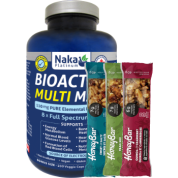
Bioactive Multi Mag+ - 230 V-Caps
Sale: $36.99
Reg.: $39.99 (Save $3.00)
-
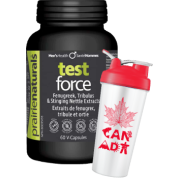
Test-Force - 60 V-Caps + BONUS
Sale: $32.99
Reg.: $36.99 (Save $4.00)












