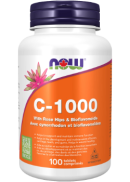
- 1000mg
- Vitamin C (as Ascorbic Acid)
- 25mg
- Rose Hips (Rosa canina) (Fruit) (Standardized to contain 1.3% Vitamin C)
- 25 mg
- Citrus Bioflavonoids (from Citrus limon, Citrus paradisi and Citrus sinensis)(Fruit Peel) (Standardized to contain 37% Hesperidin)
Cellulose, Tablet Coating (hypromellose, stearic acid (vegetable source), sunflower lecithin, triethyl citrate), Magnesium Stearate (vegetable source)
Do not use if you are pregnant or breastfeeding.
 Tablets
100 Tabs
As a dietary supplement take one tablet daily, preferably with meals.
- 1000mg Vitamin
- Antioxidant Protection.
- Pure Ascorbic Acid Form.
- Helps fight off cold and flu.
- Easy to Swallow tablet form.

- Reviews
- POST A NEW REVIEW
VITAMIN C
Vitamin C is the most widely used supplement. Humans cannot manufacture their own vitamin C; therefore it must be taken in through the diet. Vitamin C is a water-soluble antioxidant that is used all over the body. It speeds tissue growth and repair, supports hormone production, increases immune system functioning, protects the body from toxins andsupports healthy cell growth. It also regulates cholesterol, blood pressure and blood clotting.
There are several types of vitamin C. Ascorbic acid is the basic form. To buffer the natural acidity of vitamin C manufacturers can bind it to other molecules. Two examples are calcium ascorbate (Ester-C) and ascorbyl palmitate. It also makes vitamin C easier for the body to absorb and decreases the loss of the vitamin through the urine. This increases the cost of the supplement but it is beneficial to those taking high doses of vitamin C and those who cannot tolerate acidic substances.
IMMUNE SYSTEM HEALTH
The immune system is the police force of the body. It is a complex system of cells that defend the body from invading organisms, regulate inflammation and control abnormal cell growth. Many organs are involved in the immune response, the bone marrow, lymphatic system, thymus, liver and spleen. Bone marrow produces red blood cells, white blood cells and platelets.
The spleen is a location where immune cells can monitor the blood for foreign matter. It also speeds up red blood cell production and activates blood clotting. The liver can increase body temperature and induce sweating to help fight off infections. The thymus produces B cells, which make antibodies, and T cells, which are part of the immune response.
The immune system is capable of fighting off intruders and remembering them so that they are killed off quickly if they invade again. The immune system must be able to differentiate self from non-self in order to know what to attack. If it does not recognize the body's own tissue than autoimmune diseases occurs.
Physical and emotional stress has been shown in studies to depress the amount of circulating immune cells. Examples of possible stressors are excessive exercise, surgery, a long illness, and loss of a job or death of a loved one. The sympathetic nervous system is activated by stress and causes increased heart rate and blood pressure, and a heightening of the body's senses. It decreases the functioning of systems that are not essential for fighting or fleeing a situation. This includes immunity. Stress also causes increased inflammation and a build up of damaging agents called free radicals. These substances can interfere with normal immune functioning.
Poor dietary habits inhibit the immune system by creating deficiencies in protein, vitamins and minerals. A healthy diet, with sufficient protein intake, supports the immune system because the immune cells are made of protein and are in a constant state of renewal. The immune cells use a variety of vitamins and minerals to carry out their jobs. The most important nutrients are vitamin A, vitamin B6, vitamin C, vitamin E, selenium, zinc and essential fatty acids. For example, vitamin C strengthens white blood cells and prevents the multiplication of bacteria and viruses. Deficiency of any one of these nutrients impairs the immune response.
Dietary sugar, especially white sugar, has been directly linked to depression of the immune system, immediately after its consumption. One study showed that eating three and a half oz. of simple sugar reduced the ability of white blood cells to destroy bacteria. Sugar also provides fuel for invading organisms, like bacteria and fungus, thus strengthening their attack.
Choose lean meats, fermented dairy products and legumes to fill your daily protein requirements. Supplement with protein powder or amino acid complex if you cannot consume enough protein. Eat fermented products to increase the amount of friendly bacteria in your system. A diet high in raw fruits and vegetables provides a good source of vitamins, minerals and antioxidants for the immune system. Onions and garlic are good sources of substances that make up anti-inflammatory compounds and help to kill microbes. Flaxseed and fish oils contain essential fatty acids that are anti-inflammatory. Avoid excess animal products, dairy products, processed foods, white flour and sugar products all of which decrease the immune system.
Optimize Your Immune System By:
- Consuming a nutrient-rich diet from a wide variety of foods
- Exercising regularly
- Maintaining regular sleeping habits
- Limiting exposure to environment toxins and medications
- Supplement with immune supporting and nutrients
Back to Top ↑