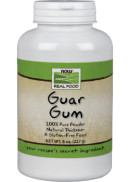
Contains no:sugar, salt, starch, yeast, wheat, corn, soy, milk, egg, shellfish or preservatives.
 Powder
227g
Add 1/4 Teaspoon (1.4g) per cup of flour to aid in the rising of baked goods.
- 100% pure
- Thickening agent for baking
- Digestive Support
- Gluten Free

- Reviews
- POST A NEW REVIEW
Reviews By Rating
helpful votes
1
1 customers found this product review helpful
Gluten Intolerance
People who suffer from celiac disease cannot digest gluten, a protein that is found in many types of grain. Cases can range from severe to mild. Severe cases are usually discovered in childhood because the child will fail to grow and thrive. Less severe cases may not manifest until adulthood. Gluten intolerance is an inherited condition.
The gluten actually causes an allergic reaction that damages the intestinal lining. The lining becomes unable to absorb nutrients.
Symptoms of celiac disease are diarrhea, bloating and vomiting 1-2 hours after consumption of gluten containing foods. The stool is smelly and shiny. Anemia, weight loss, infertility, canker sores, rashes, bone pains and mood swings are signs of malnutrition that are caused by celiac disease. These symptoms can also be caused by other intestinal conditions. Definitive diagnosis of celiac disease should be done by a health professional.
By eliminating gluten from the diet and using supplements, the digestive tract lining will rebuild. Reintroduction of gluten will cause a relapse of symptoms and usually needs to be permanently avoided.
Digestive Health
The digestive process takes food material, breaks it down into absorbable pieces and transports it into the body. It is a complex process, involving many organs. Digestion begins with the scent of food stimulating the secretion of saliva. When food enters the mouth enzymes in the saliva begin to break it down. Chewing physically breaks down food pieces and stimulates saliva production. The mucus membranes of the mouth can absorb some nutrients.
Swallowed food travels don the esophagus and into the stomach. The stomach uses muscular contractions to mix the food with digestive enzymes and hydrochloric acid. High acid levels kill germs that may be in the food. Food stays in the stomach longer if it contains more fat and shorter if it contains more sugar.
The small intestine attaches to the stomach. Near it's beginning, ducts from the liver and pancreas release digestive juices. Nutrients are absorbed through the thin intestinal wall and transported via the bloodstream, to where they are needed. The remainder of the food is pushed through into the large intestine where water is absorbed. The remaining food is compacted and prepared for excretion as stool.
The liver produces bile, which metabolizes fats and proteins. It also takes the toxic material from food substances, like medications, alcohol, and hormones, and processes them to make them harmless. The liver produces factors for blood clotting and the immune system. The gallbladder is a storage area for bile from the liver. The pancreas manufactures enzymes and hormones, like insulin. Insulin allows cells to take in sugar to burn as fuel.
Many foods that we eat, other substances we consume and our lifestyles contribute to digestive disorders. Highly processed foods, alcohol, medications and tobacco are difficult for our body to break down and cause great strain on our organs, such as the liver and pancreas. They may also physically damage the digestive lining. Processed foods are also deficient in nutrients so not only does the body have to work extra hard to digest the food, but it also gets depleted of the things it needs to do its work. Water and fibre intake is important to have proper moisture and bulk in the stool and make bowel movements regular.
Back to Top ↑