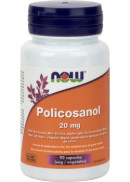
- 20mg
- Policosanol (from Sugar Cane)
- 100mg
- Artichoke Extract (Cynara scolymus) (leaf)
- 100mg
- Milk Thistle Extract (Silybum marianum) (Fruit/Seeds)
- 50mg
- Alpha Lipoic Acid
- 30mg
- Grape Seed Extract (Vitis vinifera)
Vegetable Polysaccharide (capsule), Maltodextrin, Rice Flour, Magnesium Stearate (vegetable source) and Silica.
Contains soy. Not manufactured with wheat, gluten, milk, egg, fish, shellfish or tree nut ingredients. Produced in a GMP facility that processes other ingredients containing these allergens.
Caution:For adults only. Consult physician if pregnant/nursing, taking medication, or have a medical condition. Keep out of reach of children.
 Veggie Caps
90 V-caps
As a dietary supplement, take 1 capsule 1 to 2 times daily, preferably with food.
- For cardiovascular support
- Helps reduce overall cholesterol levels
- Natural antioxidant properties
- Supports immune system
- 20 mg per serving

- Reviews
- POST A NEW REVIEW
POLICOSANOL
Policosanol is a general term for a a mixture of fatty alcohols derived from the wax of certain plant substances, like sugar cane and yams.
Octacosanol makes up the greatest percentage of fatty alcohol content in policosanol, followed by another fatty alcohol called triacontanol. The first policosanol supplement was produced in Cuba, and although it is now used worldwide, continues to be a popular treatment in South America and the Caribbean.
We heart Policosanol
Policosanol has been shown in some studies to lower LDL cholesterol, while increasing HDL cholesterol. It is also thought that policosanol may have blood thinning and blood pressure lowering effects, making it an excellent option for those looking for overall cardiovascular support and prevention of cardiovascular disease. It has been shown to inhibit platelet aggregation induced by collagen and arachadonic acid. In individuals with coronary heart disease (CHD), after regular use of policosanol, exercise ECG findings showed increased functional capacity of the heart, as well as increased oxygen intake, and a reduction in chest pain or angina both at rest and during exercise, as well as a reduction in cardiac events.
Studies have also shown policosanol to out-perform some commonly recommended statin medications in patients with type II hypercholesterolemia, in relation to its' cholesterol lowering effects. One of the proposed mechanisms of action by which policosanol works to lower cholesterol is through the prevention of bile and HMG-CoA reductase absorption, necessary for cholesterol recycling and production. More recent research questions the findings that policosanol has any significant effect on cholesterol, good or bad. Further study needs to be conducted.
Safety and dosage information
Policosanol can be found on its own or in combination products aimed at treating high cholesterol and heart disease prevention. Policosanol is recommended at a dosage of 10-40 mg/day. It is considered safe and well-tolerated, even in those individuals on a number of medications, as there are very few interactions to note. Use caution is patients taking daily aspirin or other anti-platelet medications, as there will be a cumulative anti-platelet effect. Medication adjustments may also be necessary for those taking cholesterol or blood pressure lowering medications.
Artichoke
A delicious food that can act as a digestive bitter, lower cholesterol, and help to feed beneficial gut bacteria.
The globe artichoke (Cynara scolymus) is a type of thistle that originated in Southern Europe. The flower bud is harvested and eaten around the world, although in North America the outer layers are often removed and only the heart of the artichoke bud is eaten. The antioxidant capacity of artichoke flower heads is one of the highest reported for all vegetables. For more information on antioxidants, please click here. The major active constituent in globe artichokes is called cynarin, and is responsible for the slight bitter taste.
Digestive Bitter
Due to its bitter taste, cynarin has been found to cause increased bile flow. Interestingly, it also inhibits specific taste receptors, which results in everything tasting sweeter for a period of time after eating. This is why even water may taste sweet immediately after eating artichokes. Supplementation with globe artichoke has also been shown to reduce the symptoms functional dyspepsia. This is not surprising since artichoke has been long established as a digestive bitter. This is a term used to describe herbs that increase the production of digestive juices and stimulate appetite. This can have a beneficial effect on the liver, gallbladder, and all the digestive organs. It can also help to reduce the symptoms of: nausea, vomiting, gas, and stomach pain. For more information on the benefits of bitters, please click here.
Cholesterol Lowering and Protects Liver
Artichoke has been shown to strengthen and protect the liver. It has also been found to improve gallbladder function and raises the ratio of HDL ("good" cholesterol) to LDL ("bad" cholesterol). This improvement in blood lipids helps to reduce the risk of cardiovascular disease. Water extracts from artichoke leaves have also been shown to reduce cholesterol levels by inhibiting HMG-CoA reductase enzyme, the enzyme responsible for cholesterol production in the liver. This is the same mechanism of action used by statin drugs such as Lipitor. One 2009 study found that artichoke extract could be used as an effective means of reducing high cholesterol. For more information on cholesterol balance in the body, please click here.
Fibre Supporting Probiotics
Artichoke also helps to promote the growth of the top two beneficial gut microbes called Bifidobacteria and Lactobacillus by providing inulin. Inulin is a beneficial fibre that acts as food for good gut bacteria and supports the proper growth of supplemented probiotics. The proper bacterial balance in the gut helps to prevent the symptoms of irritable bowel syndrome. For more information on the benefits of probiotics, please click here. For more information on inulin, please click here.
How can I take Artichoke?
Supplementing artichoke is a relatively easy process. It can be added to the diet as part of meals, supplemented in capsule form, in liqueur (Cynar), or as a tea. The plant can be eaten as frequently as desired. When supplementing, the leaf extract can be taken to treat heartburn at a dose of 300-650mg three times daily (total dose of 900 1900mg daily). For lowering cholesterol, dosages at the higher end of the scale should be used.
Back to Top ↑