

- 3.0 g
- Fish Oil (Anchovy)
- 1000 IU
- Vitamin D3
- 2000 mg
- EPA+DHA
- 1500 mg
- EPA
- 500 mg
- DHA
Natural flavour, tocopherols (derived from non-GMO soy), green tea extract, medium chain triglycerides.
Soft gel ingredients:
Gelatin, glycerin, purified water
Canadian made, Pure check. Do not use if safety seal is broken or missing. Store in original container, protected from light.
 Softgels
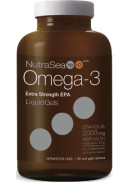
60 Softgels
Adults and adolescents 14 years and older take 2 soft gels daily.
- Support cardiovascular health, brain function and overall health
- 100IU of vitamin D in 2 softgels
- 2000mg of EPA+DHA in two softgels
- No fishy burp back
- Canadian made

- Reviews
- POST A NEW REVIEW
Reviews By Rating
helpful votes
1
1 customers found this product review helpful
Epa (Eicosapentanoic Acid)
EPA has been used to treat heart disease, arthritis and other inflammatory conditions...
Eicosapentaenoic acid is an omega 3 essential fatty acid. It is an important fatty acid in the maintenance of cardiovascular health and the regulation of inflammation. EPA is a precursor to a series of chemicals whose job it is to regulate the inflammatory effects of arachidonic acid. Too much arachidonic acid leads to pain and inflammation in conditions such as arthritis.
Arachidonic acid also causes inflammation in arteries and leads to the development of atherosclerotic plaques. Deficiency of EPA can result in cardiac arrhythmias, high cholesterol and excessive aging. EPA has been used to treat heart disease, arthritis and other inflammatory conditions.
EPA can be taken in through the diet by eating fish or fish oil. The body can also convert alpha linolenic acid (ALA), from vegetable sources like flaxseeds, into EPA. However, the standard North American diet is deficient in essential fatty acids, especially omega 3s and very few individuals have enough excess ALA to meet the body’s need for EPA. Supplemental EPA is usually made from tuna, salmon, herring, mackerel or sardines. These fish contain more omega 3 rich fat than other fish species. Cod liver and halibut liver oils also contain some omega 3s but are primarily used for their vitamin A and D content. Some newer fish liver oils have been fortified with EPA and may be an economical choice for those individuals taking both EPA and liver oils.
EPA supplements are found as liquid oil (processed to remove the fishy taste), soft gel chewables (flavoured) and standard soft gel capsules. Fish liver oil supplements should be used cautiously in children, pregnant and nursing women because of the toxicity of fat-soluble vitamins.
Ensure your fish oil supplement is not processed with heat because it damages the acids and creates free radicals. It is important to purchase a good quality EPA supplement that has been tested for contaminants. Refrigerate all liquid EPA supplements and keep capsules away from heat to increase shelf life. Using liquid EPA is more cost effective than capsules because numerous capsules must be taken to make an equivalent amount of liquid oil.
Nutritional Information
Epa – Quick Facts
Food Sources
· Tuna, Salmon, Herring, Mackerel, Sardines, Halibut Liver, Cod Liver.
Deficiency Symptoms
· Cardiac Arythymias, Joint And Muscle Inflammation, High Cholesterol.
Optimum Dosage
· Dosages Depend On The Type Of Oil That Is Used, Usually 1tsp Daily Or 3 – 9 Capsules Daily. (Clinical Doses May Be Higher As Recommended By Your Practitioner).
Works Well With
· Other Essential Fatty Acids, Vitamin A, Vitamin D, Vitamin E, Vitamin K
Important Information
- Fatty Acids Are Best Absorbed With A Fatty Meal.
- Those With An Inability To Absorb Fats Should Take An Enzyme Complex To Facilitate The Intake Of Efas.
- Use Caution When Taking Efas While Using Blood Thinning Medication.
- Watch For Toxicity Of Vitamin A And D If You Use A Fish Liver Oil Supplement For Its Epa Content.
Back to Top ↑
-

Sale: $28.45
Reg.: $33.79 (Save $5.34)
-
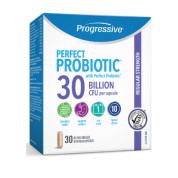
Perfect Probiotic 30 Billion Regular Strength - 30 V-Caps
Sale: $25.49
Reg.: $29.99 (Save $4.50)












