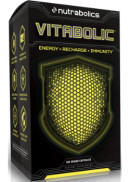
Contains:
- 5,500 IU
- Vitamin A (as Vitamin A Palmitate)
- 500 mg
- Vitamin C (as Ascorbic Acid)
- 200 IU
- Vitamin D3 (as Cholecalciferol)
- 200 IU
- Vitamin E (as DL-Alpha Tocopheryl Acetate)
- 50 mg
- Vitamin B1 (as Thiamine Mononitrate)
- 50 mg
- Vitamin B2 (as Riboflavin)
- 50 mg
- Vitamin B3 (as Niacinamide)
- 50 mg
- Vitamin B6 (as Pyridoxine Hydrochloride)
- 300 mcg
- Folic Acid (as Folic Acid)
- 50 mcg
- Vitamin B12 (as Methylcobalamin)
- 50 mcg
- Biotin (as Biotin)
- 50 mg
- Pantothenic Acid (as Calcium D-Pantothenate)
- 250 mg
- Calcium (as Tricalcium Phosphate)
- 1.4 mg
- Iron Ferrous (as Fumarate)
- 77.29 mg
- Phosphorus (as Calcium Phosphate)
- 75 mcg
- Iodine (as Potassium Iodide)
- 150 mg
- Magnesium (as Magnesium Oxide)
- 10 mg
- Zinc (as Zinc Oxide)
- 12 mcg
- Selenium (as Sodium Selenite)
- 1 mg
- Copper (as Copper Gluconate)
- 2.5 mg
- Manganese (as Manganese Sulfate)
- 50 mcg
- Chromium (as Chromium Chloride)
- 12 mcg
- Molybdenum (as Sodium Molybdate)
- 40 mg
- Potassium (as Potassium Chloride)
- 2.5 mcg
- Nickel (as Nickel Sulfate)
- 5 mcg
- Tin (as Stannous Chloride)
- 5 mcg
- Vanadium (as Vanadyl Sulfate)
- 5 mcg
- Silicon (as Sodium Metasilicate)
- 150 mg
- Choline Bitartrate (as Choline Bitartrate)
- 15 mg
- Inositol (as Inositol)
- 7.5 mg
- Methionine (as L-Methionine)
- 0.5 mg
- Lutein (as Lutein)
- Energy & Mood-Enhancing Matrix
- 250 mg
- Rhodiola Rosea 3%
- 200 mg
- Panax Ginseng 10:1 (American Ginseng)
- 150 mg
- Green Tea (50% caffeine)
- 100 mg
- Theanine
- Adrenal Recharge & Stress Blocking Matrix
- 500 mg
- Ashwagandha (2.5% withanolides)
- 250 mg
- Cordyceps Mushroom
- Anti-Inflammatory & Immune Defense Matrix
- 200 mg
- Turmeric
- 200 mg
- Devil’s Claw
- 200 mg
- Cissus Quadrangularis
- 200 mg
- Garlic
- 200 mg
- Ginger
Other Ingredients:
Hydroxypropyl Methylcellulose (vegetable capsule), Microcrystalline cellulose, Magnesium Stearate, Stearic Acid, Calcium Silicate, Silicon Dioxide.
Hydroxypropyl Methylcellulose (vegetable capsule), Microcrystalline cellulose, Magnesium Stearate, Stearic Acid, Calcium Silicate, Silicon Dioxide.
Important Information:
For adult use only. Do not use if sensitive to caffeine. Keep out of reach of children. Consult your physician before using the product if you have any medical condition. Do not use if you are pregnant or nursing.
Format
 Veggie Caps
196 Tabs
Dosage
Take one serving (7 capsules) with a meal. For best results, combine with a diet and exercise program.
Product Information:
- Constant daily supply of vital nutrients.
- Optimal health, Energy, Performance, and overall well-being
- Enhances Nutrient utilization and ant-oxidant/free radical support
- Metabolism support for protein, carbohydrates, and fats
- Easy to swallow tablets.

Nutrabolics is a world leader in cutting-edge sports nutrition. Emerging from the vision to create an industry-leading premium sports supplement brand, Nutrabolics creates products of the highest quality and innovation. Every supplement in the Nutrabolics line has been extensively researched and precisely formulated to ensure purity and performance. Read more >
What Customers Are Saying:
- Reviews
- POST A NEW REVIEW
More Info
SPORTS NUTRITION SUPPLEMENTS
Sports Nutrition is an area of growing interest for athletes, and health professionals alike. It is not a topic that can be summed up easily in one article, nor generalized to all athletes. In competitive sport, countless hours and research go into calculating the specific nutritional requirements for each individual in a specific sport. These requirements are further broken down into what types of foods and supplements best supply these nutritional needs, and when they need to be consumed for optimal performance. There are teams of people dedicated to designing these 'programs', and there is good science behind each and every recommendation, as well as amazing results in terms of performance.
The following is meant to be a general guideline for the average individual who is sport or exercise minded, and looking to bump up their performance through diet and supplements. Nowadays, if you are a competitive athlete, or hoping to become one, there are specialized ND's in most major cities who can develop a more individualized and goal oriented protocol.
SUPPLEMENTS
CREATINE
Creatine is naturally found in all organs and muscles in the body as phosphocreatine. This is the molecule responsible for the transforming adenosine diphosphate (ADP), into adenosine triphosphate (ATP). The body then uses the breakdown of ATP to release energy that is used to power all of our body processes, including muscle contraction. Creatine supplementation has been found to increase muscle strength, power and size. As a bonus, research also suggests that creatine can help to improve cognitive health and bone density in some populations.
For your Muscles
The more creatine that is available, the faster the ATP conversion occurs and the more work a muscle can do. Creatine also draws water into muscle cells making them plump up and appear larger. Studies show creatine also increases muscle strength and endurance thus enhancing athletic performance. Medically, creatine can rebuild lean tissue after periods of convalescence, muscle wasting illnesses or the natural decline in muscle tissue that occurs with age. Ultimately, creatine supplementation prior to exercise is an easy way to help boost your muscle mass and athletic performance. It is not considered doping in the professional athletic community, and is allowed by the International Olympic Committee and in professional sports.
Co-Supplementation
Creatine has been found to work well with other muscle-feeding supplements like alpha lipoic acid and carbohydrates. Because of this, a number of body building supplements will combine these factors to boost performance.
Types of Creatine
There are a number of forms of creatine currently available on the market for supplementation. The most common forms are creatine monohydrate and creatine ethyl ester (CEE). In 2009, a new form called creatine hydrocloride came on the market, which is much more soluble in water. Because of this it can be supplemented at significantly lower doses than other forms of creatine. The recommended dose of creatine depends on the condition treated. For boosting muscle and testosterone conversion, a loading dose of at least 20g daily is provided for 5-7days followed by maintenance supplementation of 5g daily.
GLUTAMINE
Glutamine is the most abundant amino acid found in the body, and it is called "non-essential" because glutamine can be biosynthesized by the body from other amino acids. Just because it is non-essential does not mean that the body cannot benefit from its supplementation. Outside of its use in sports nutrition, it is especially useful for healing the gut lining in cases of leaky gut.
Glutamine is also often used for promoting faster muscle recovery after strenuous exercise, and increased lean muscle growth. There are a number of other benefits reaped from the supplementation of glutamine.
Glutamine's Role
Glutamine is depleted by stress, physical injuries and inflammation, particularly in areas like the intestine. It promotes muscle growth (anabolism), and stops the catabolism (break down) of muscle caused by the stress hormone cortisol. Glutamine can also act as an alternative fuel source for the brain when glucose is not readily available.
Muscle Building (Anabolic)
The promotion of lean muscle mass is glutamines most well-known quality. Athletes have been using glutamine as a performance-enhancing supplement for many years. Medically, glutamine can rebuild lean tissue following periods of convalescence, surgery or after muscle wasting illnesses.
How can I take glutamine?
The biologically active and absorbable form of glutamine is L-glutamine. It is commonly found as a powder or in capsule form. Keep glutamine powder dry to prevent its degradation. It is often added to protein powders or other supplements to enhance athletic performance. The dose of L-glutamine depends on the required effect and can range from 1.5 12g daily.
Branched Chain Amino Acids [BCAAs]
This group of amino acids: valine, leucine, and isoleucine are essential amino acids that contain branched side groups. They have been shown to help prevent the painful lactic acid build up during strenuous exercise that causes stiffness the morning after, also known as delayed onset muscle soreness (DOMS).
PROTEIN
Protein is one of the most important building blocks in our bodies ...Whey, soy, rice , hemp, and peas are all great sources of protein, depending on your individual needs and sensitivities.
Protein is second most abundant substance in our body; it is second only to water. Protein makes up much of the structure of our body, including: our muscles, ligaments, tendons, bones, organs, glands, nails, and hair. It also makes up the vast majority of the molecules that allow our bodies to function and regulate itself. Protein is required for: cell signaling molecules, hormones, transport molecules and most enzymes in our bodies, including our digestive enzymes. Without sufficient protein, our bodies cannot function properly.
What is protein?
Proteins are composed of building blocks called amino acids. These subunits are linked together by peptide bonds to form chains that can be straight lines, or branched like the sub-branches on a tree. When we eat protein the body must break these peptide bonds in the digestive tract using proteases. Then single amino acids, or amino acids in short chains (called peptides), are absorbed through the gut, into the body, where they are used as building blocks to create whatever protein the body needs.
Protein Requirements
According to the Canadian Dietary Reference Intake guidelines: sedentary adult women require 46 grams of protein per day, while sedentary adult males require 56 grams to avoid deficiency. This is just the amount to prevent protein malnutrition. Athletes and individuals who are physically active at work or play will all require additional protein to repair their tissue and build more lean muscle. In general, the daily intake recommendation is between 1.5 and 2 grams of protein per kilogram of body weight for fairly active people. This is around 125g of protein per day for a 70kg (155lb) person.
Protein Powders
Protein powders can be used for many different health and performance enhancing purposes. There are a large variety of readily available protein supplements and protein processing techniques. The six main supplemental sources are: whey, hemp, soy, rice and pea, although other sources are occasionally used in some supplements. Higher quality formulas use superior processing techniques, and avoid binders, fillers, artificial flavorings and sweeteners. Be sure to check the ingredients on the label of your protein supplement.
Types of Protein Powders
Whey
This form of protein is concentrated from a byproduct of the production of cheese from cow's milk. It comes in three major forms, each of which has a different bioavailability. Whey protein, in all three forms, is the most bioavailable form of supplemental protein available. There are some cases of sensitivity to whey protein, and those who are allergic to milk should avoid its use.
Rice
Rice protein powder consists of brown rice treated with enzymes to remove the carbohydrate, leaving only the protein behind. This source of protein is vegan and hypoallergenic. Since it is lower on the food chain it is also more eco-friendly, and doesn't take such a large environmental footprint to create. Since it is naturally a little low in the amino acid lysine, rice protein is often mixed with pea protein to create a more balanced protein supplement.
Pea
Pea protein powder is created using yellow split peas. Like rice protein, pea protein is vegan and hypoallergenic, and also has a much more eco-friendly footprint. In order to balance its amino acid profile, pea protein is often mixed with rice protein to create a more balanced protein supplement.
Soy
Soy protein powder is extracted from soy beans. It is an inexpensive vegan protein that offers a complete protein source. In addition to being rich in protein, soy also contains isoflavones that act as phytoestrogens in the body. Although this makes them less than promising for body builders, this can be of great benefit to post menopausal women and others with hormone imbalances.
Hemp
Hemp protein is extracted from hemp seeds and is an eco friendly, and vegan protein source that provides all nine essential amino acids. In addition to its protein content, hemp also contains essential fatty acids (EFAs) and fibre, both of which are major ingredients in a healthy balanced diet.
A Note about Spirulina:
This water-grown algae is sometimes considered a complete food. It naturally contains 60-70% protein as well as a huge number of other nutrients, vitamins and minerals. It is such a rich source of protein and B12 that it is often recommended to vegetarians to cover potential dietary gaps. It also contains chlorophyll, which helps to clear toxins from the body. For more information on spirulina, please click here.
How can I get more protein?
Protein can be ingested in the diet through a number of different sources, including: meat, dairy, eggs, nuts, legumes, tofu, spirulina, and even grains like quinoa. Protein supplements can be used for individuals who do not meet their daily protein requirement through food intake, for individuals who suffer from blood sugar fluctuations or for athletes who need to take in large amounts of protein to build muscle more quickly.
Sports Nutrition is an area of growing interest for athletes, and health professionals alike. It is not a topic that can be summed up easily in one article, nor generalized to all athletes. In competitive sport, countless hours and research go into calculating the specific nutritional requirements for each individual in a specific sport. These requirements are further broken down into what types of foods and supplements best supply these nutritional needs, and when they need to be consumed for optimal performance. There are teams of people dedicated to designing these 'programs', and there is good science behind each and every recommendation, as well as amazing results in terms of performance.
The following is meant to be a general guideline for the average individual who is sport or exercise minded, and looking to bump up their performance through diet and supplements. Nowadays, if you are a competitive athlete, or hoping to become one, there are specialized ND's in most major cities who can develop a more individualized and goal oriented protocol.
SUPPLEMENTS
CREATINE
Creatine is naturally found in all organs and muscles in the body as phosphocreatine. This is the molecule responsible for the transforming adenosine diphosphate (ADP), into adenosine triphosphate (ATP). The body then uses the breakdown of ATP to release energy that is used to power all of our body processes, including muscle contraction. Creatine supplementation has been found to increase muscle strength, power and size. As a bonus, research also suggests that creatine can help to improve cognitive health and bone density in some populations.
For your Muscles
The more creatine that is available, the faster the ATP conversion occurs and the more work a muscle can do. Creatine also draws water into muscle cells making them plump up and appear larger. Studies show creatine also increases muscle strength and endurance thus enhancing athletic performance. Medically, creatine can rebuild lean tissue after periods of convalescence, muscle wasting illnesses or the natural decline in muscle tissue that occurs with age. Ultimately, creatine supplementation prior to exercise is an easy way to help boost your muscle mass and athletic performance. It is not considered doping in the professional athletic community, and is allowed by the International Olympic Committee and in professional sports.
Co-Supplementation
Creatine has been found to work well with other muscle-feeding supplements like alpha lipoic acid and carbohydrates. Because of this, a number of body building supplements will combine these factors to boost performance.
Types of Creatine
There are a number of forms of creatine currently available on the market for supplementation. The most common forms are creatine monohydrate and creatine ethyl ester (CEE). In 2009, a new form called creatine hydrocloride came on the market, which is much more soluble in water. Because of this it can be supplemented at significantly lower doses than other forms of creatine. The recommended dose of creatine depends on the condition treated. For boosting muscle and testosterone conversion, a loading dose of at least 20g daily is provided for 5-7days followed by maintenance supplementation of 5g daily.
GLUTAMINE
Glutamine is the most abundant amino acid found in the body, and it is called "non-essential" because glutamine can be biosynthesized by the body from other amino acids. Just because it is non-essential does not mean that the body cannot benefit from its supplementation. Outside of its use in sports nutrition, it is especially useful for healing the gut lining in cases of leaky gut.
Glutamine is also often used for promoting faster muscle recovery after strenuous exercise, and increased lean muscle growth. There are a number of other benefits reaped from the supplementation of glutamine.
Glutamine's Role
Glutamine is depleted by stress, physical injuries and inflammation, particularly in areas like the intestine. It promotes muscle growth (anabolism), and stops the catabolism (break down) of muscle caused by the stress hormone cortisol. Glutamine can also act as an alternative fuel source for the brain when glucose is not readily available.
Muscle Building (Anabolic)
The promotion of lean muscle mass is glutamines most well-known quality. Athletes have been using glutamine as a performance-enhancing supplement for many years. Medically, glutamine can rebuild lean tissue following periods of convalescence, surgery or after muscle wasting illnesses.
How can I take glutamine?
The biologically active and absorbable form of glutamine is L-glutamine. It is commonly found as a powder or in capsule form. Keep glutamine powder dry to prevent its degradation. It is often added to protein powders or other supplements to enhance athletic performance. The dose of L-glutamine depends on the required effect and can range from 1.5 12g daily.
Branched Chain Amino Acids [BCAAs]
This group of amino acids: valine, leucine, and isoleucine are essential amino acids that contain branched side groups. They have been shown to help prevent the painful lactic acid build up during strenuous exercise that causes stiffness the morning after, also known as delayed onset muscle soreness (DOMS).
PROTEIN
Protein is one of the most important building blocks in our bodies ...Whey, soy, rice , hemp, and peas are all great sources of protein, depending on your individual needs and sensitivities.
Protein is second most abundant substance in our body; it is second only to water. Protein makes up much of the structure of our body, including: our muscles, ligaments, tendons, bones, organs, glands, nails, and hair. It also makes up the vast majority of the molecules that allow our bodies to function and regulate itself. Protein is required for: cell signaling molecules, hormones, transport molecules and most enzymes in our bodies, including our digestive enzymes. Without sufficient protein, our bodies cannot function properly.
What is protein?
Proteins are composed of building blocks called amino acids. These subunits are linked together by peptide bonds to form chains that can be straight lines, or branched like the sub-branches on a tree. When we eat protein the body must break these peptide bonds in the digestive tract using proteases. Then single amino acids, or amino acids in short chains (called peptides), are absorbed through the gut, into the body, where they are used as building blocks to create whatever protein the body needs.
Protein Requirements
According to the Canadian Dietary Reference Intake guidelines: sedentary adult women require 46 grams of protein per day, while sedentary adult males require 56 grams to avoid deficiency. This is just the amount to prevent protein malnutrition. Athletes and individuals who are physically active at work or play will all require additional protein to repair their tissue and build more lean muscle. In general, the daily intake recommendation is between 1.5 and 2 grams of protein per kilogram of body weight for fairly active people. This is around 125g of protein per day for a 70kg (155lb) person.
Protein Powders
Protein powders can be used for many different health and performance enhancing purposes. There are a large variety of readily available protein supplements and protein processing techniques. The six main supplemental sources are: whey, hemp, soy, rice and pea, although other sources are occasionally used in some supplements. Higher quality formulas use superior processing techniques, and avoid binders, fillers, artificial flavorings and sweeteners. Be sure to check the ingredients on the label of your protein supplement.
Types of Protein Powders
Whey
This form of protein is concentrated from a byproduct of the production of cheese from cow's milk. It comes in three major forms, each of which has a different bioavailability. Whey protein, in all three forms, is the most bioavailable form of supplemental protein available. There are some cases of sensitivity to whey protein, and those who are allergic to milk should avoid its use.
Rice
Rice protein powder consists of brown rice treated with enzymes to remove the carbohydrate, leaving only the protein behind. This source of protein is vegan and hypoallergenic. Since it is lower on the food chain it is also more eco-friendly, and doesn't take such a large environmental footprint to create. Since it is naturally a little low in the amino acid lysine, rice protein is often mixed with pea protein to create a more balanced protein supplement.
Pea
Pea protein powder is created using yellow split peas. Like rice protein, pea protein is vegan and hypoallergenic, and also has a much more eco-friendly footprint. In order to balance its amino acid profile, pea protein is often mixed with rice protein to create a more balanced protein supplement.
Soy
Soy protein powder is extracted from soy beans. It is an inexpensive vegan protein that offers a complete protein source. In addition to being rich in protein, soy also contains isoflavones that act as phytoestrogens in the body. Although this makes them less than promising for body builders, this can be of great benefit to post menopausal women and others with hormone imbalances.
Hemp
Hemp protein is extracted from hemp seeds and is an eco friendly, and vegan protein source that provides all nine essential amino acids. In addition to its protein content, hemp also contains essential fatty acids (EFAs) and fibre, both of which are major ingredients in a healthy balanced diet.
A Note about Spirulina:
This water-grown algae is sometimes considered a complete food. It naturally contains 60-70% protein as well as a huge number of other nutrients, vitamins and minerals. It is such a rich source of protein and B12 that it is often recommended to vegetarians to cover potential dietary gaps. It also contains chlorophyll, which helps to clear toxins from the body. For more information on spirulina, please click here.
How can I get more protein?
Protein can be ingested in the diet through a number of different sources, including: meat, dairy, eggs, nuts, legumes, tofu, spirulina, and even grains like quinoa. Protein supplements can be used for individuals who do not meet their daily protein requirement through food intake, for individuals who suffer from blood sugar fluctuations or for athletes who need to take in large amounts of protein to build muscle more quickly.
Back to Top ↑