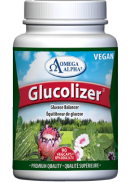
- 200 mg
- R-alpha-Lipoic acid
- 133 mg
- Gymnema sylvestre (Gymnema Leaf Extract) (Standardized 25% Gymnemic acids)
- 133 mg
- Momordica charantia (Bitter Melon)
- 16 mg
- Lagerstroemia speciosa (Banaba Leaf Extract) (Standardized 1% Corosolic acid)
- 50 mcg
- Chromium* (Chromium Polynicotinate)
- 16 mcg
- Vanadium* (Vanadyl Sulphate)
Hypromellose (vegetarian capsule shell), Colloidal silicon dioxide, Magnesium stearate.
Do not use if you are pregnant or breastfeeding. Consult a health care practitioner prior to use if you have a kidney disorder, diabetes, and/or intestinal disorders, or symptoms such as abdominal pain, nausea, vomiting or fever. Discontinue use and consult a health care practitioner if you experience symptoms of hypoglycemia including feelings of anxiety, dizziness, tremors, sweating, nausea or headache. Do not use if security seal is broken. Store away from children. Store protected from light and moisture.
 Veggie Caps
90 V-caps
Adults: Take 1 capsule three times per day with food. Take 2 hours before or after taking other medications.
- Promotes healthy glucose metabolism
- Natural glucose balancer
- Benefits for diabetes and poor blood sugar control
- Contains no preservatives, corn, dairy, gluten, soy, wheat or yeast

Advanced Herbal Formulas That Deliver
Support immune health, energy, and focus with Omega Alpha’s mushroom extracts. Chaga Mushroom Extract delivers antioxidant support, while Cordyceps Mushroom Extract boosts energy and endurance. Coriolus (Turkey Tail) Mushroom Extract supports immune and gut health, and Lion’s Mane Mushroom Extract enhances memory and cognition. Maitake Mushroom Extract, Reishi Mushroom Extract, and Shiitake Mushroom Extract provide additional support for immunity, stress balance, and overall wellness. Read more >- Reviews
- POST A NEW REVIEW
HYPOGLYCEMIA
Often difficult to control, low blood sugar is more common than most people realize...
Tired, depressed, fatigued, anxious and… frustrated. If you feel like this you might have hypoglycemia. Often called the sugar blues because of the depression and “brain fog” it produces, low blood sugar has become more and more common as people continue to eat diets high in refined sugars and low in essential nutrients.
Typically the hypoglycemic will often have seemingly uncontrollable cravings for carbohydrates, and an equally seeming uncontrollable fatigue - especially in the early afternoon.
Blood sugar levels must be maintained within a specific range for optimal functioning of your whole body – for both your body and your brain. Without a healthy level of sugar your body loses power, and your brain gives you a message (in the form of a craving) to eat more sugar. When you do, your energy is increased, but only temporarily. The surge in sugars causes your pancreas to secrete a large quantity of insulin to metabolism the sugars you just ate, which often causes your blood sugar to drop again. This is the yo-yoing effect that hypoglycemics often feel - from high energy to low energy. Complicating matters is something called insulin resistance, which is when the body becomes tolerant to the level of insulin your pancreas produces, resulting in its inability to digest and absorb carbohydrates effectively. This may eventually lead to diabetes. Insulin resistance can be caused by ingesting too much refined sugar, or by a chromium deficiency.
The Importance Of Chromium
chromium is an essential trace mineral that your body needs to metabolize carbohydrates properly. It is just as essential as other minerals like calcium. Insulin needs chromium to function; without enough, it is like having a full tank of gas in your car, but no oil in it to allow the engine to move and drive the car forward. Unfortunately chromium is very difficult to get from food these days due to soil depletion. A convenient way to get enough is by taking a chromium supplement. The most active and absorbable form is chromium picolinate which is available in 200mcg and 500mcg potencies. Taken with meals, it will help ensure that your insulin has the cofactor it needs at the right time during the digestive process.
By and large, the most common causes of hypoglycemia are poor eating habits coupled with chromium deficiency. Hypoglycemia can be caused by other medical problems like hyperthyroidism, pancreatic tumours or improper use of diabetes medication. Most people who suffer from hypoglycemia do not have any complicating medical conditions. In these cases poor eating habits or food sensitivities cause hypoglycemia. Hypoglycemia is made worse by stress because it can cover the body’s hunger signals and deplete the adrenal glands. A common response to stress is to drink coffee, which depletes chromium.
Other symptoms of hypoglycemia are irritability, anxiety, nervousness, sudden fatigue, cold sweats, shaking, inability to concentrate and heart palpitations.
During the night hypoglycemia can prevent sleep. Some hypoglycemics may use a glucometer to measure their blood sugar and adjust their diet as necessary. This is a good tool to judge whether or not dietary changes or modifications in your supplement regimen are working.
Weight gain often occurs with hypoglycemia. Firstly, the cravings it produces results in overeating. Secondly, since the body cannot fully metabolize those carbohydrates ingested properly, they are stored - as body fat. This is why chromium has a deserved reputation in supporting weight loss.
To help to regulate blood sugar, maintain a regular sleep cycle, eat regular meals, exercise, avoid constant noise or stress or other activities that exhaust the body and worsen blood sugar imbalances.
Dietary recommendations for hypoglycemia are as follows. Avoid the consumption of coffee, tobacco, alcohol, processed foods, refined foods, dried fruit, saturated fat, soft drinks, food colourings and preservatives. If you drink fruit juice, dilute it half and half with water. As a substitute for white sugar use Stevia, barley malt, molasses and brown rice syrup. Eat many small meals each day and have a snack before bed. Avoid any foods that you are sensitive to.
Fiber, protein and essential fatty acids are important parts of the hypoglycemic diet because they slow the rate at which sugar goes into the bloodstream. Use fiber supplements like psyllium husks or flax seeds a half hour before eating to balance sugar levels. Eat lots of vegetables in the raw or steamed form. Good protein sources include low fat dairy products, fish, nuts, seeds, soy products, turkey and chicken. Protein powder supplements can be used for snacks, or as part of a meal, when time is scarce. Use an essential fatty acid oil blend or flaxseed oil daily. Many hypoglycemics are deficient in essential fats.
Back to Top ↑